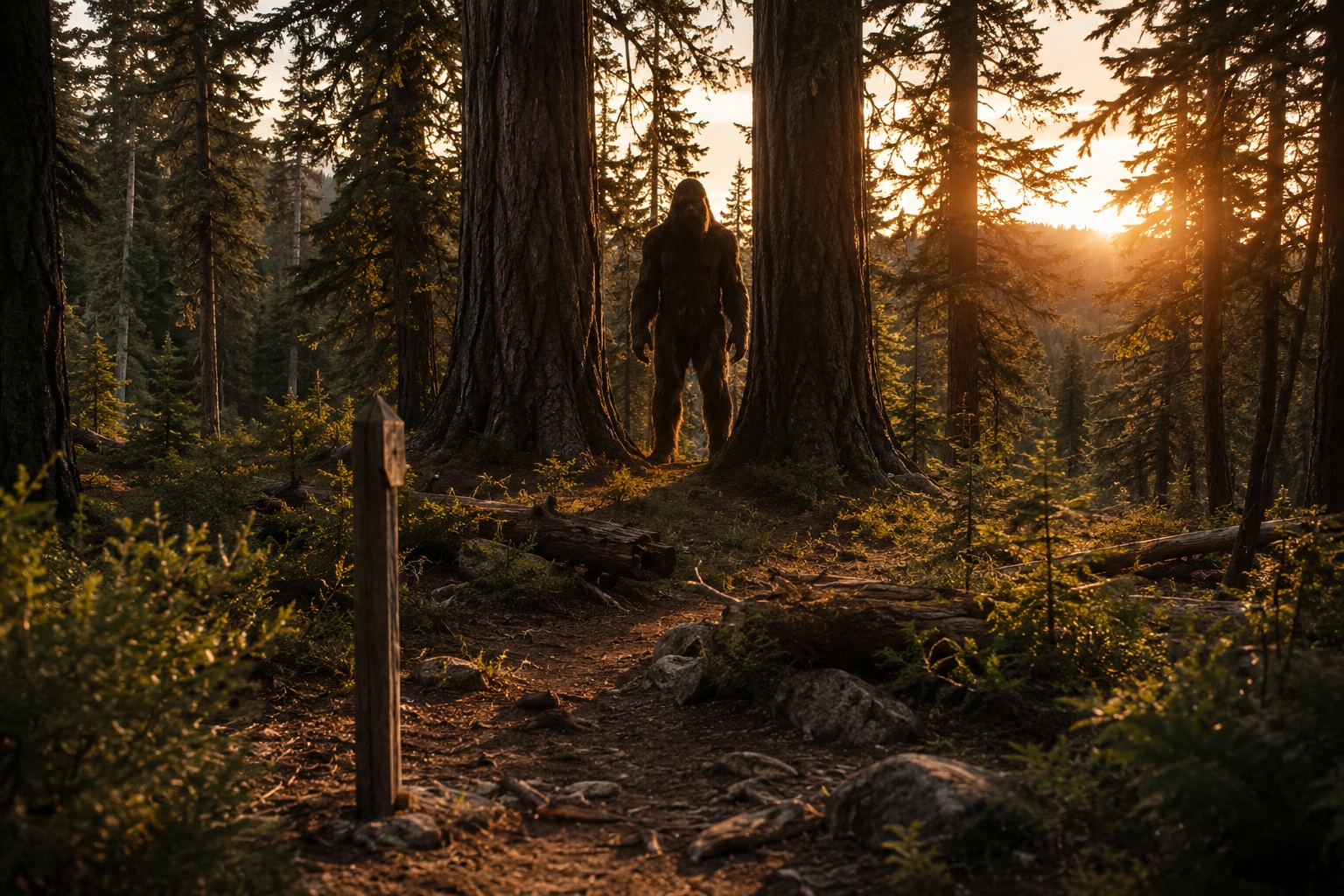
A man stepped off a quiet forest trail just before sunset to let another hiking group pass. He stood beside a fallen pine, listening to birds calling from somewhere deeper in the trees. Then everything went strangely still.
At first, he thought an animal had died nearby. A thick smell drifted through the woods without warning. It was sharp enough to make him wrinkle his nose. Rotting meat mixed with wet dog, damp leaves, and something sour he could not compare to anything else. The breeze barely moved, yet the smell arrived all at once, as if someone had opened an invisible door.
He looked around for a dead deer. There was nothing. The smell grew even stronger.
Then he noticed branches bending high above a blackberry patch nearly fifty yards away. A huge hairy figure stepped between two trees. It did not charge. It did not make a sound. It simply stood there for a few seconds, tall enough that its shoulders reached a trail sign mounted on a wooden post. Before he could fully understand what he was looking at, it turned once and disappeared into the forest.
The First Time It Happened
Only then did birds begin calling again. Stories like this appear again and again whenever people talk about Bigfoot. One detail keeps returning alongside the giant footprints and towering figure. Many witnesses say they smelled something terrible before they ever saw anything unusual. Why does that detail appear so often, and why has it become one of the most recognizable parts of modern Bigfoot stories?
The strange smell appears before the sighting Descriptions vary, but they usually sound surprisingly similar. People rarely describe the smell as simply bad. Instead, they compare it to several things at once. Wet dog. Rotten garbage. Dead animals. Skunk. Mud. Mold. Sour sweat. Standing water left too long in summer heat.
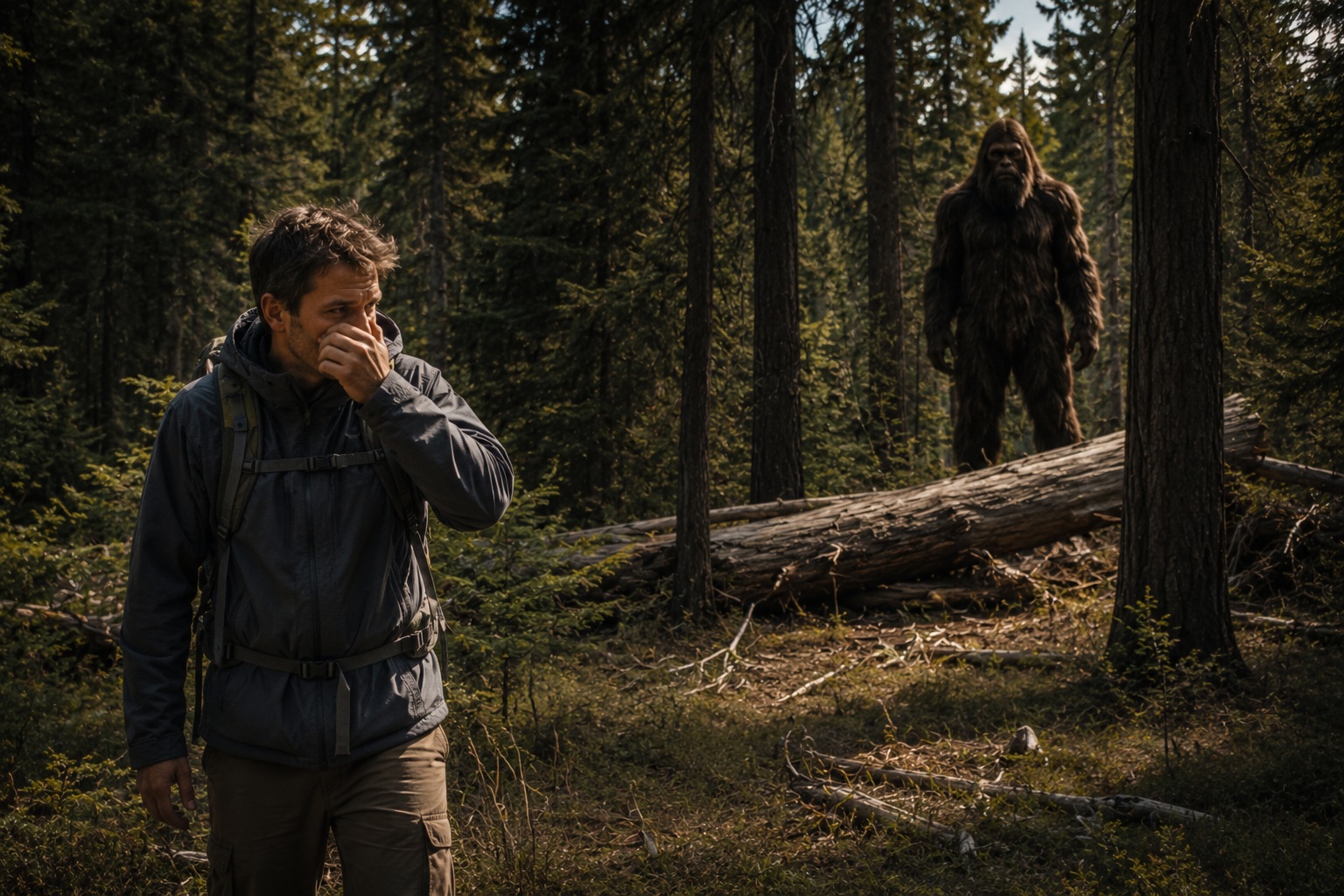
Many say the smell seems almost too strong for an open forest. That is one reason the detail stands out. Woods normally spread scents over a wide area. A dead animal usually creates clues that point toward its location. But witness stories often describe a smell that seems to arrive suddenly, hang in one place, and disappear just as quickly.
Some hikers say they notice it before hearing anything unusual. Others report smelling it immediately before discovering giant footprints or finding broken trees. In many stories, the smell becomes the first warning that something nearby feels wrong. Whether someone believes these stories or not, that repeated pattern is one reason people continue asking the same question years later.
Why The Place Felt Wrong
Why smell creates such a powerful memory Human memory connects strongly with smell. People often forget what they were looking at, but they remember exactly how a place smelled. That makes odor one of the most vivid parts of many frightening experiences.
Imagine walking through a peaceful forest where everything seems normal. Birds are singing. Wind moves through pine branches. The trail feels familiar. Then a powerful smell appears for no obvious reason. Even before seeing anything unusual, your brain begins searching for danger. You look for a dead animal.
You check nearby bushes. You scan the trees. When none of those answers fit, every sound suddenly feels more important. A snapping branch becomes alarming.
A shadow between trunks seems larger than before. By the time something huge steps into view, the smell has already placed your mind on alert. That sequence appears repeatedly in witness stories. The smell is not always presented as the mystery itself. Instead, it acts like the opening moment before everything else happens.
The Detail Nobody Could Explain
What witnesses usually check first Most people do not immediately jump to paranormal ideas. Their first reaction is usually practical. They search for a dead deer.
They wonder if a skunk passed through earlier. They think another hiker left trash nearby. Some even leave the trail to investigate because the odor seems close enough to locate. Many stories mention finding nothing unusual after searching.
The smell simply hangs in the air without an obvious source. Only afterward do people begin noticing other details. Fresh footprints that seem unusually large. Heavy footsteps somewhere uphill.
Branches moving where there is little wind. A huge dark figure standing beside a tree that suddenly makes nearby trunks seem much smaller than they looked before. Scale becomes an important part of these stories. People often struggle to estimate height until something familiar appears nearby.
What They Checked Afterward
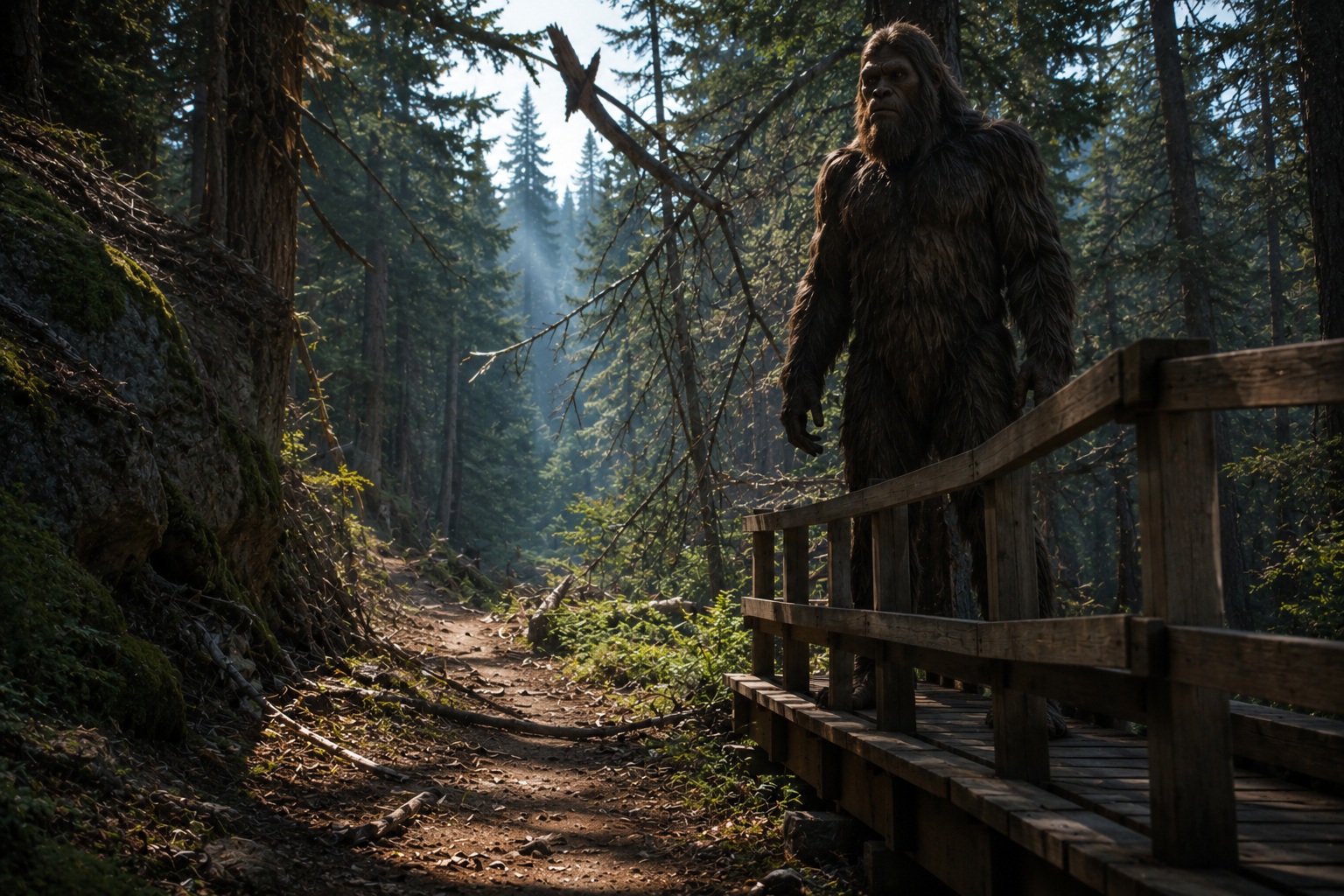
A trail marker. A parked truck. A large boulder. A wooden bridge railing.
Those ordinary objects suddenly reveal just how large the reported figure appears compared to its surroundings. That is one reason illustrations of Bigfoot stories often include clear landmarks. Without something familiar nearby, readers cannot appreciate the reported size. Could there be ordinary explanations? Many ordinary explanations are worth considering.
Forests naturally contain powerful smells. Dead animals. Standing water. Wildlife.
Plants releasing oils during warm weather. Even changing humidity can make certain odors seem much stronger than expected. Large mammals also produce noticeable scents. People who spend time around bears sometimes describe strong musky smells under the right conditions.
The Moment It Became Harder To Ignore
Wind can carry odors across surprising distances, making their source difficult to locate. Memory also plays a role. After an unexpected experience, people often reconstruct events into a story that makes sense. A strange smell remembered alongside a frightening sighting becomes part of the complete memory.
That does not mean every witness is inventing details. It simply means memory and fear naturally become connected. Even with those possibilities, the repeated appearance of the smell keeps people interested. Many stories collected decades apart from different places describe remarkably similar odors without using exactly the same words.
For believers, that consistency feels meaningful. For skeptics, it may simply reflect how people describe unusual experiences in similar environments. Either way, the smell remains one of the most recognizable parts of Bigfoot folklore. Why forests become so unsettling after stories like these
Once someone hears enough Bigfoot stories, certain moments in the woods begin feeling different. A sudden silence. Heavy footsteps that stop. Fresh branches broken higher than expected.
Why People Avoided That Spot Later
An overpowering smell with no obvious source. None of those details automatically point toward anything unusual. Each can happen naturally. The unsettling feeling comes when several happen together.
People begin connecting unrelated events into a single possibility. That is exactly why these stories continue spreading. They encourage readers to notice ordinary details they may have ignored before. The next time someone catches an unexpected smell while hiking, they may immediately remember stories describing the same sequence.
That connection turns an ordinary moment into an unsettling one. Other patterns that often appear alongside the smell The strange odor rarely appears alone in Bigfoot stories. Witnesses often describe several details occurring within minutes of each other.
One common pattern is sudden silence. Birds stop calling. Insects seem quieter. The forest feels strangely empty despite looking completely normal.
Why The Story Still Gets Shared
Another repeated detail involves unusually high movement. Instead of something running across the trail, people describe branches shaking fifteen or twenty feet above the ground, suggesting something much taller than expected moved through the trees. Some stories mention heavy knocking sounds echoing between hillsides. Others describe rocks landing nearby without anyone visible.
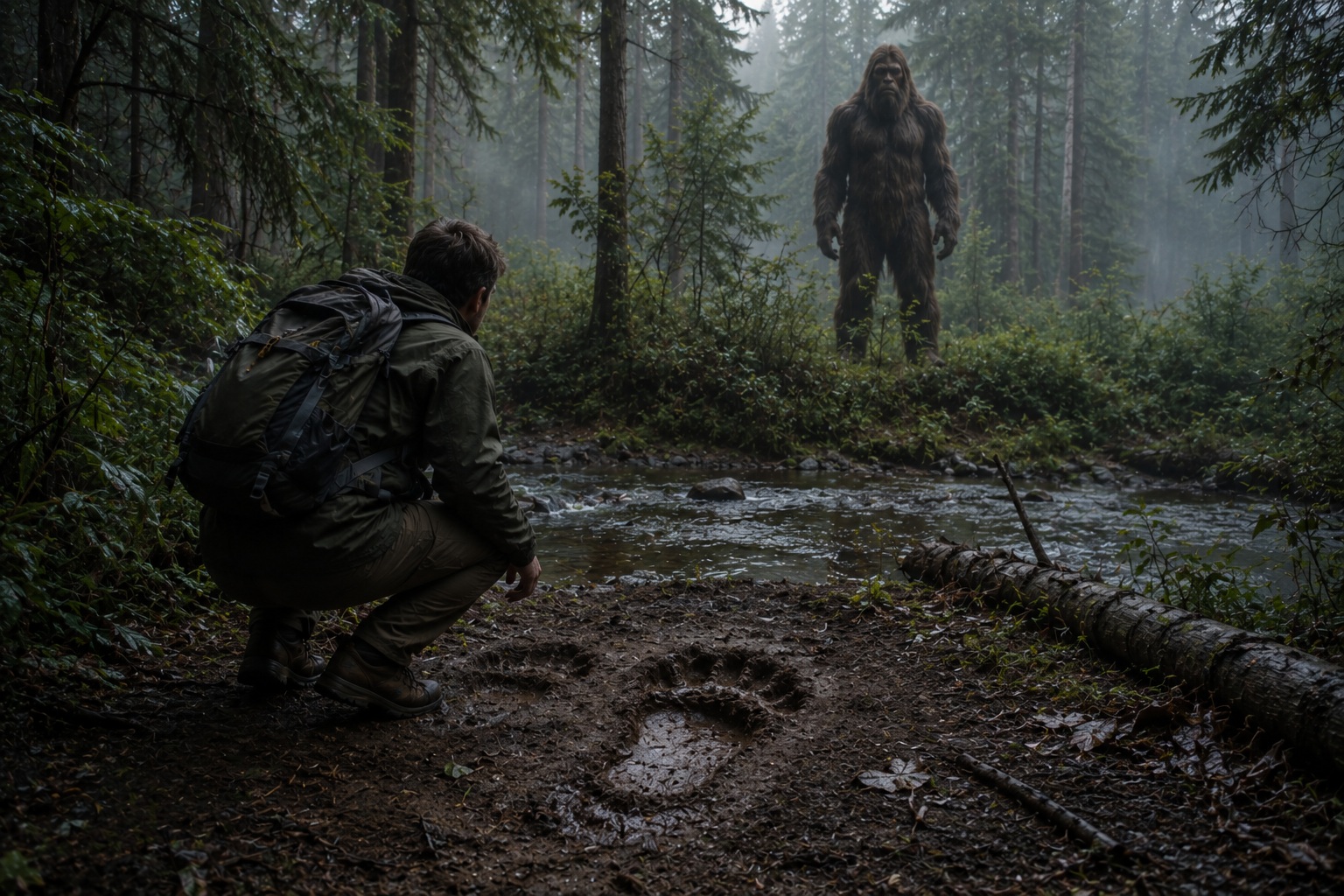
Large footprints are another familiar part of these reports. Sometimes they appear in soft mud after the sighting. Sometimes they seem to begin or end in ways that confuse the witness. Whether these details come from ordinary events, mistaken observations, storytelling traditions, or something harder to explain depends entirely on the person reading them.
What keeps the stories alive is not one dramatic moment. It is the collection of small details that seem to repeat across different places and different years. The smell is simply one piece of that larger pattern. For many people, it is the first piece.
Long before they report seeing a towering hairy figure between the trees, they describe wrinkling their nose, wondering what had died nearby, and realizing that whatever caused the smell never appeared where they expected. That moment—standing in an ordinary forest, unable to explain an overpowering odor—often becomes the point where a normal hike turns into a story they never forget.