The Museum Railroad Lantern That Looked Lit Inside a No-Power Case

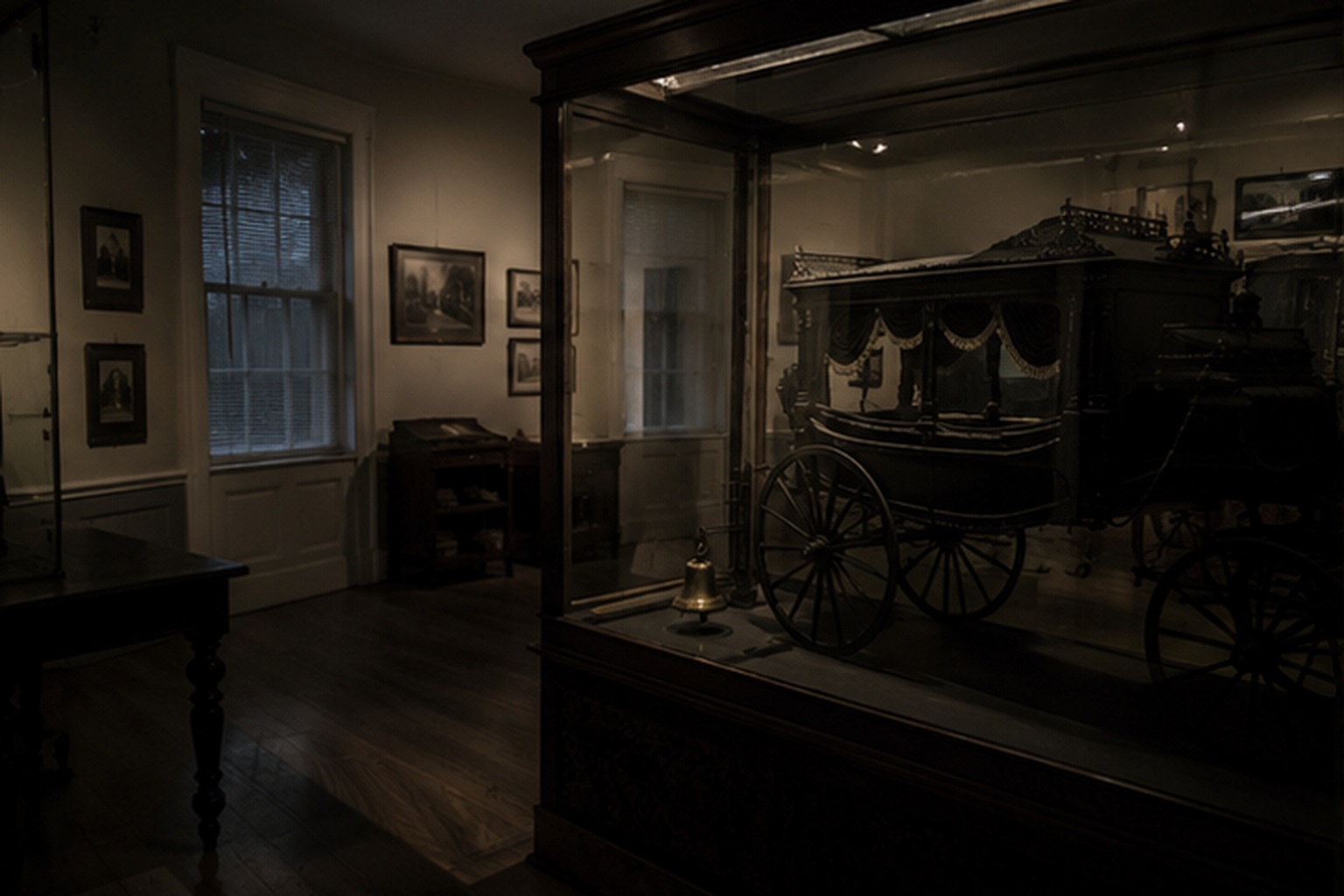
Small town museum at dusk

The railroad lantern display had no wiring, no battery setup, and no reason to glow after closing. That is why a reported photo of one lantern looking lit, with a dark reflection behind the case glass, became a cautious local mystery. Read more

The 1911 Courthouse Time Capsule and the Streetcar Transfer That Arrived Too Late

Old courthouse with opened cornerstone

When a 1911 courthouse cornerstone was opened in the 1970s, officials expected newspapers, coins, and civic souvenirs. They found those. They also found a fragile streetcar transfer that, according to later notes, seemed to be dated years after the box had been sealed into stone. Read more

Why the 1983 Telephone Dream Study Was Shut Down Quietly

Disconnected telephone beside a sleep lab bed

In 1983, a small university sleep study tried to test whether dream reports could be cued by old telephones placed beside sleeping volunteers. The phones were said to be disconnected. According to later accounts, they still rang, and the call logs listed extension numbers no one on campus could identify. Read more

Why the Brass Astrolabe in the Bellweather Attic Was Treated Like Evidence

Brass astrolabe-like instrument on dusty attic floor

The brass instrument in the Bellweather attic looked, at first glance, like a decorative astrolabe rescued from dust. Then the family noticed it repeatedly settled toward a sealed upstairs room, no matter where it was placed flat. Its underside carried scratch marks no appraiser could match to a familiar implement, and the owners stopped asking what it was worth. Read more

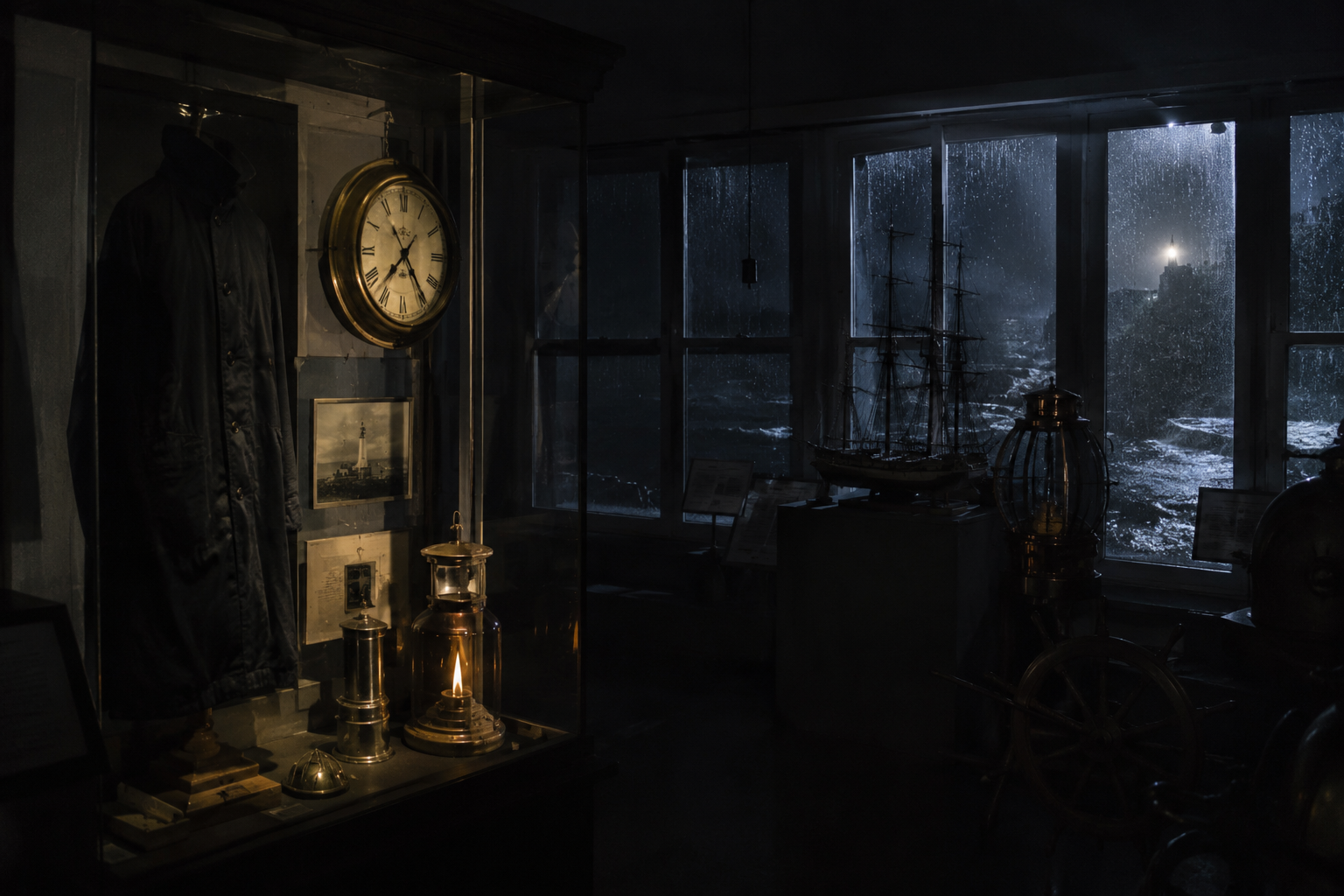
Why the 1894 Lighthouse Keeper’s Tide Chart Still Does Not Match the Coast

Old lighthouse above tidal rocks

A lighthouse keeper’s 1894 tide chart should have been a practical coastal record. Instead, it shows a narrow inlet where no mapped inlet existed, with tide marks that disagree with later surveys and notes implying a rescue boat entered a place the coast was never supposed to have. Read more

Why the Bakery Token Matched No Register

A worn brass token on a bakery counter

A brass token turned up beneath the counter of a closed neighborhood bakery. It looked like store credit, the kind of object businesses once used without ceremony. But no register matched its number, no receipt book listed it, and former employees remembered one warning clearly: never put that token in the drawer. Read more

Why the Candle Room Memory Test Was Stopped Early

A candlelit psychology test room with blank cards

A small university memory test used a candlelit room, blank cards, and volunteer recall sheets. The setup sounded harmless until several participants remembered the same object before it appeared. The study was stopped early, and the surviving notes suggest the strangest part was not the candles, but what people agreed they had seen. Read more

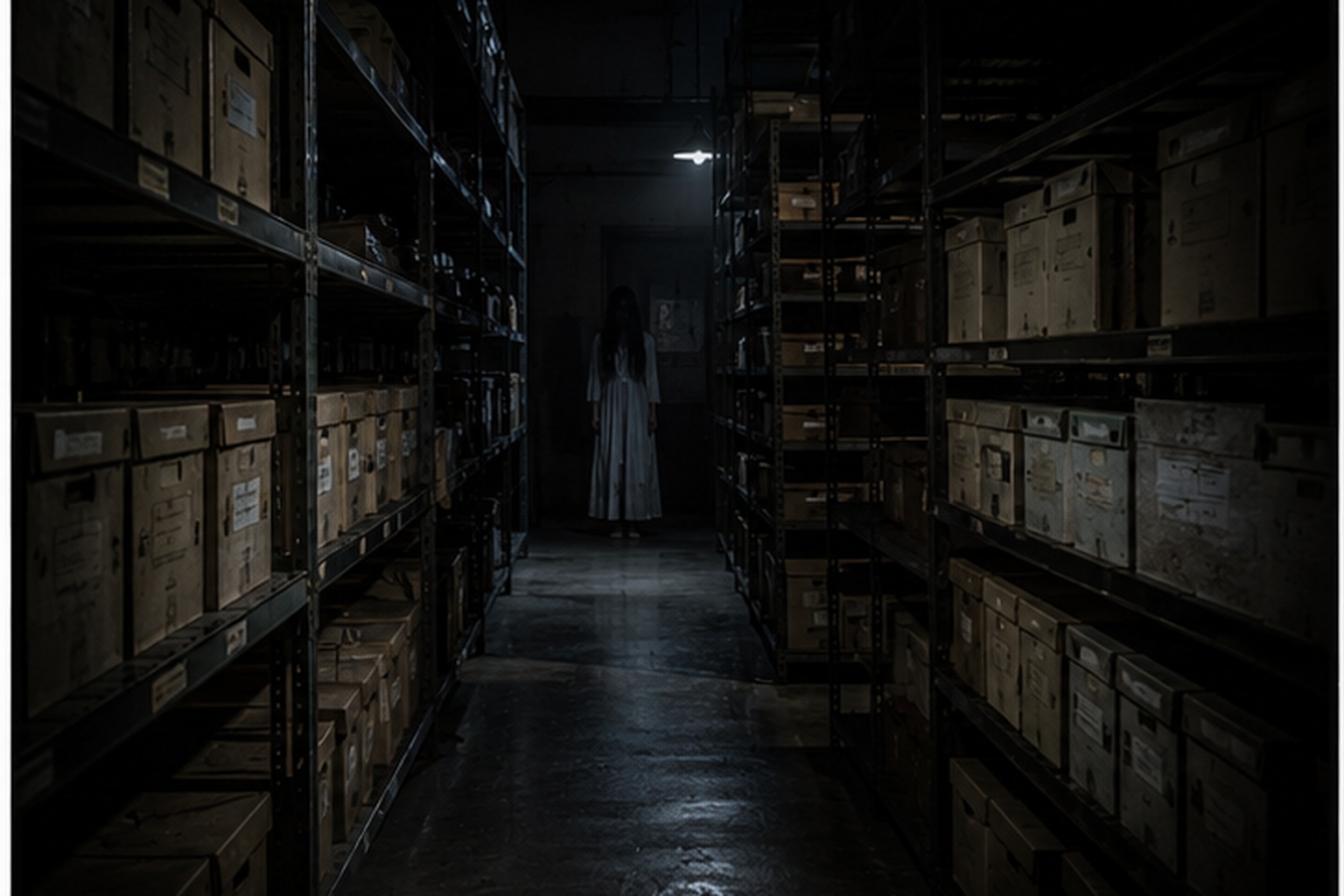
Why the Fire-Escape Map Was Drawn Before the Theater Existed

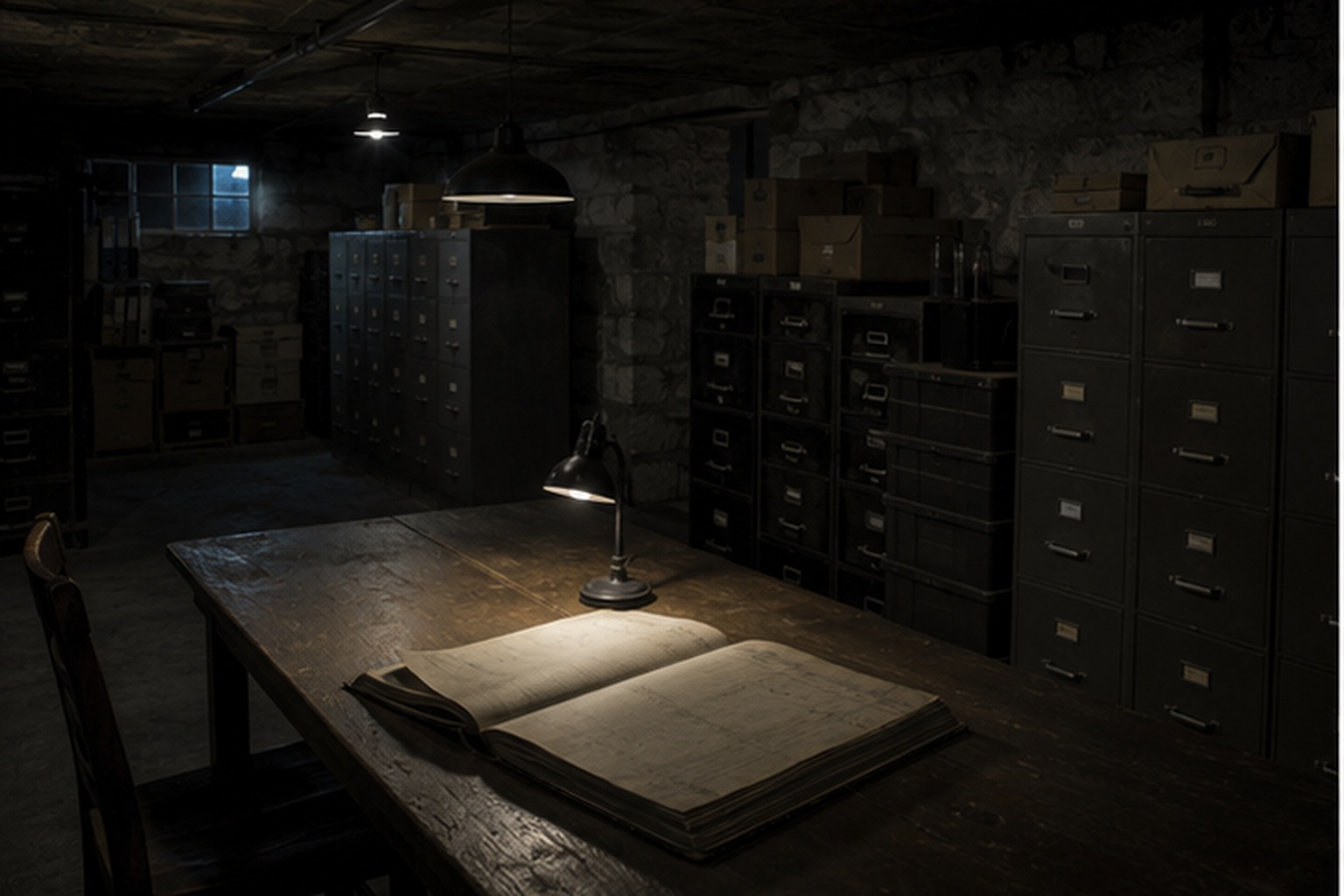
A folded fire escape map on an archive table

A folded fire-escape map in a city archive showed exits, stairs, and a balcony layout for a theater that had not been built yet. At first it looked like a filing mistake. Then clerks compared it with later plans and found enough matches to make the date harder to dismiss. Read more

Why the Cold Tin Lunchbox Was Treated Like a Warning

A dented tin lunchbox lying on the dusty floor of an old demolished bus depot.

When workers cleared an old bus depot, they found a dented tin lunchbox that refused to warm up, even in storage. Inside were dry paper lunch receipts for a bus route cancelled decades earlier. The object was logged, locked away, and quietly treated less like evidence than a warning someone had already failed to understand. Read more