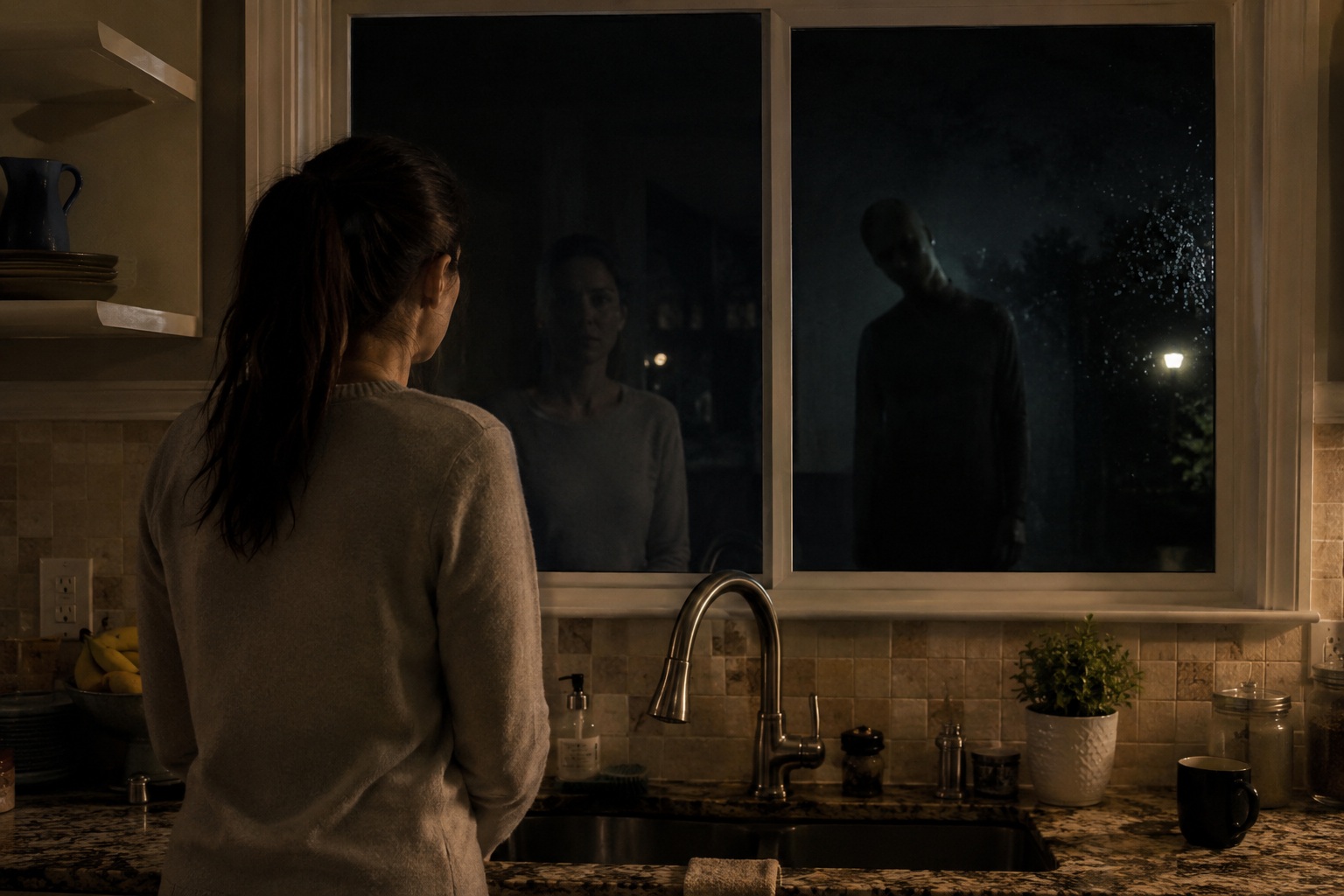
The face wasn't outside when she first glanced at the kitchen window. She was rinsing a coffee mug after midnight when she noticed her own reflection in the glass. Behind it was the faint outline of the backyard fence and the trees beyond. Everything looked normal until she reached for the light switch above the sink.
For a second, before the room went dark, another face seemed to appear beside hers. It was pale enough to stand out against the yard but too dark to belong to the reflection inside the kitchen. It had no clear eyes, only empty hollows where they should have been. Its head tilted slightly, almost as if it had been waiting for the room to become darker before showing itself.
She spun around. The kitchen was empty. When she looked back at the window, only her own reflection remained. She stepped outside with a flashlight anyway, expecting footprints, a prank, or someone hiding near the fence. The grass was still. The porch was empty. Nothing explained why the face had appeared only in the glass and nowhere else.
Stories like this are surprisingly common. People describe seeing faces in dark windows, patio doors, office glass, or upstairs bedroom windows long after sunset. Sometimes they believe someone is standing outside. Sometimes they realize the face could not have been there at all. Whether you think these stories point toward unusual experiences or ordinary tricks of light, the pattern raises the same question.
Why do so many people report faces appearing in dark windows at night?
The First Time It Happened
A window changes completely once darkness falls. During the day it lets you look outside. At night it becomes part mirror and part window at the same time. Your brain tries to combine both images—the room behind you and the darkness beyond the glass.
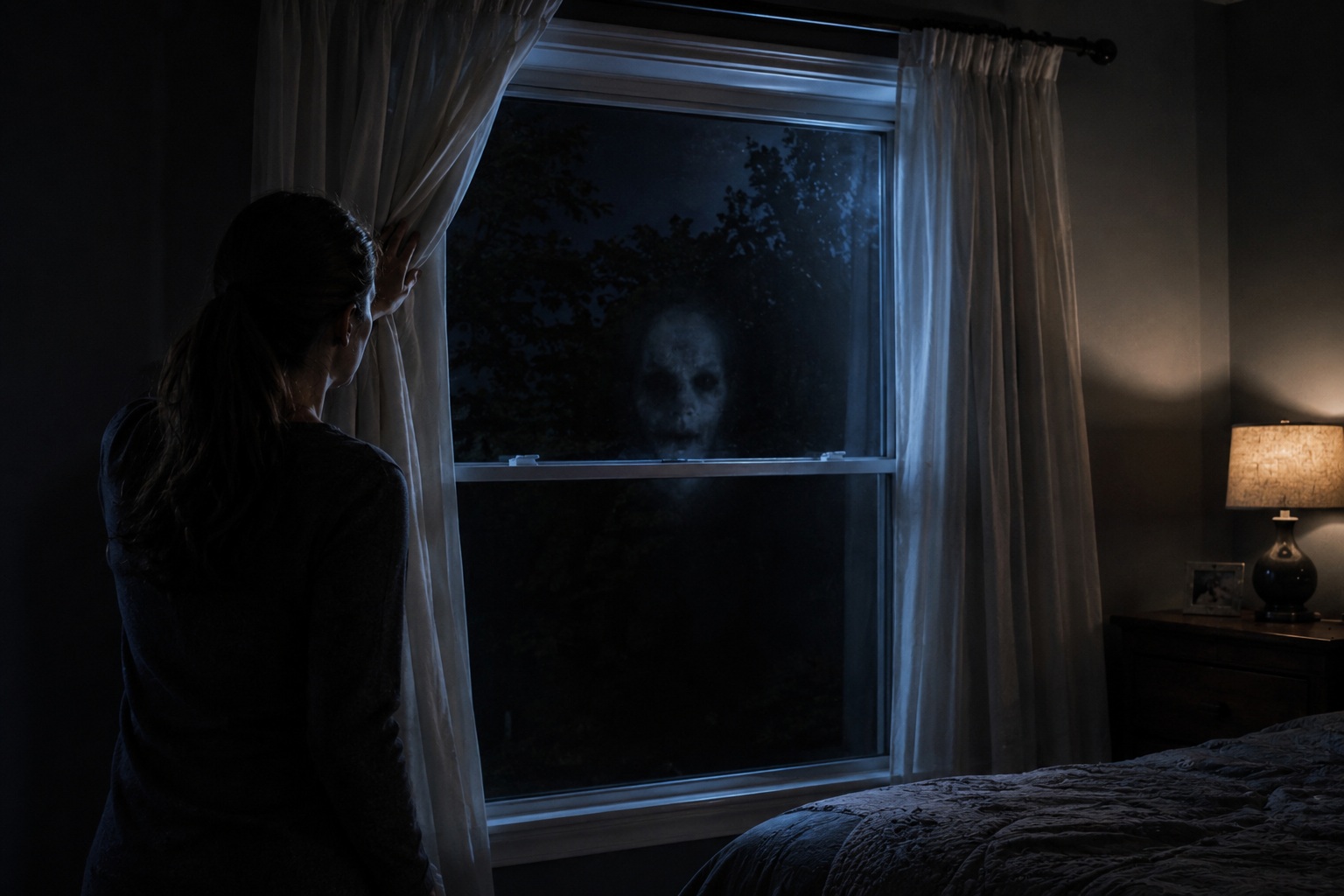
That overlap creates uncertainty. Most of the time the effect is harmless. A chair reflected beside a tree may briefly look like a person. A lamp reflected near a bush can resemble glowing eyes. The strange reports begin when witnesses insist the face did something reflections normally do not.
Some say it appeared only after they looked away. Others say it stayed in the same place while they moved. Many remember the face looking less like a living person and more like a blurred human shape with missing features. Those details are what separate these stories from ordinary cases of mistaken identity in people's memories.
The frightening part is rarely the face itself. It is the moment people realize something about it was wrong. Witnesses often say they first assumed someone was outside looking in. That explanation feels reasonable. Only afterward do they notice details that no longer fit.
Why The Place Felt Wrong
The face may have been much higher than a person's head could normally reach. It might have appeared where a solid wall should have been. Sometimes it seems partly inside the window frame rather than standing beyond it. In other stories the face never changes expression.
Instead of blinking or moving naturally, it simply remains perfectly still while everything around it shifts. That stillness becomes the memory people carry with them. Human faces constantly make tiny movements. Even someone standing quietly adjusts posture, blinks, or changes focus. When a remembered face seems frozen like a photograph despite everything else moving normally, people often describe that as the exact moment fear replaced curiosity.
There is a well-known reason why these stories happen so often. People naturally recognize faces. The human brain is extremely good at spotting them, even when only a few shapes line up in the right way.
Two leaves and a shadow can resemble eyes. A branch crossing a reflection can become a mouth. A curtain behind glass may briefly suggest hair. This ability helps people notice other people quickly, especially in poor lighting.
The Detail Nobody Could Explain
The downside is that the brain sometimes finishes a picture before enough information is available. That is why people occasionally see faces in clouds, tree bark, wallpaper, or old buildings. Nighttime windows provide nearly perfect conditions for the same mistake. Darkness removes detail while reflections add extra shapes for the brain to organize.
Most experiences probably end there. Someone turns on another light, changes position, or walks closer to the glass and the face disappears. Those stories are rarely told afterward. The ones people remember are the ones where changing position did not immediately solve the mystery.
Reports of faces in windows tend to come from ordinary places rather than famous strange locations. Family homes appear often. People washing dishes, reading in living rooms, or walking through upstairs hallways suddenly notice what looks like someone outside.
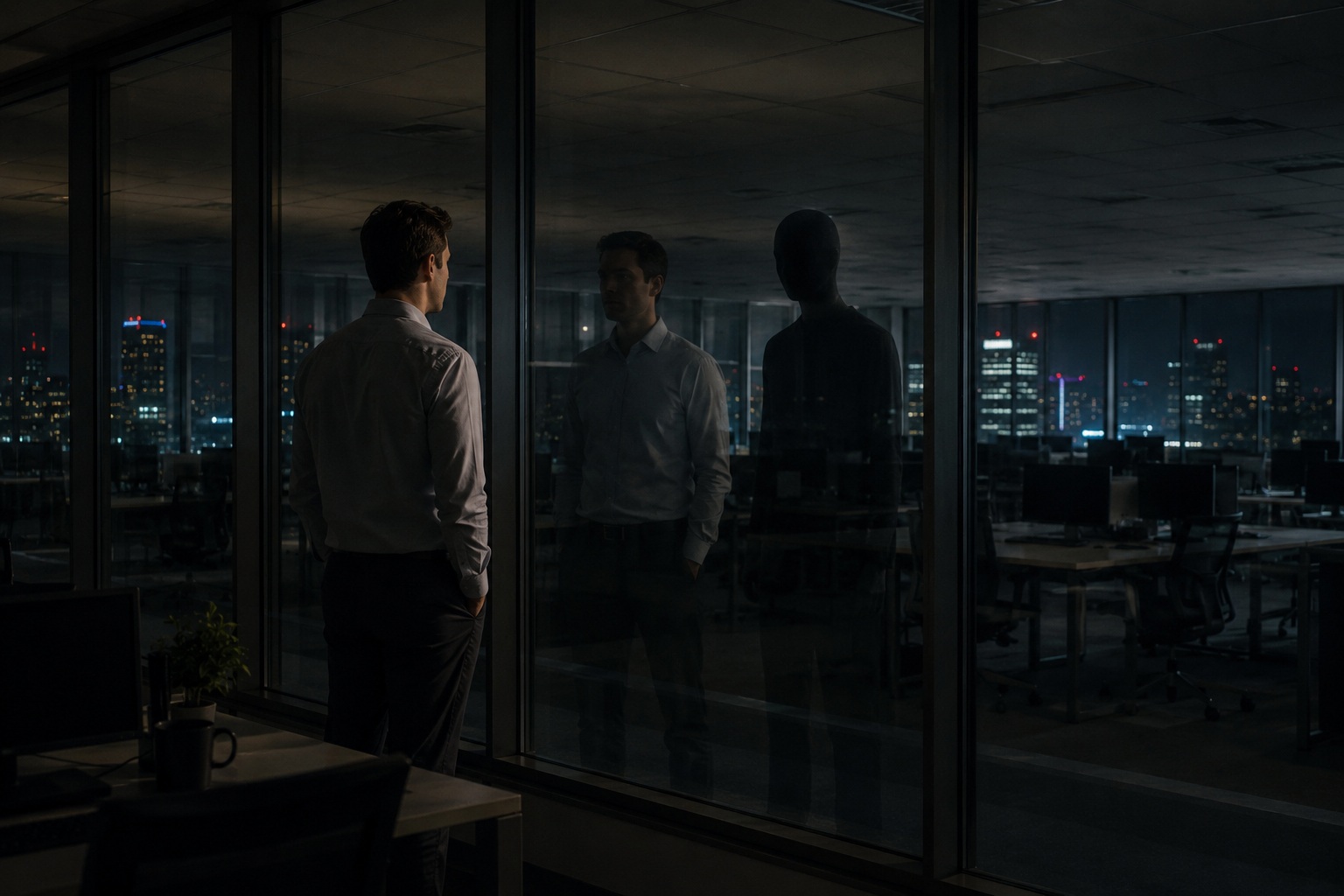
Large office buildings produce similar accounts after employees stay late. Long rows of dark windows reflect empty rooms while showing only fragments of parking lots beyond. Hotels create another common setting. A guest closes the curtains, notices movement reflected in the glass, and briefly believes another person is standing outside an upper-floor window where nobody could possibly be.
What They Checked Afterward
Hospitals also appear in many stories because brightly lit rooms contrast sharply with dark glass after visiting hours. None of these places need supernatural histories. They simply combine reflective surfaces, uneven lighting, quiet surroundings, and tired people looking into darkness. Those ingredients naturally create both ordinary mistakes and unusually memorable experiences.
People who describe these moments almost always perform the same checks. They look outside. They inspect the yard, parking lot, porch, or hallway beyond the glass.
They compare the view from different angles. They switch interior lights on and off. Many even try to recreate exactly what they saw. Sometimes they succeed.
The Moment It Became Harder To Ignore
A reflected lamp lines up perfectly with a tree branch and produces something surprisingly face-like. Other times they cannot recreate it at all. The image refuses to return despite every attempt. That failure often becomes the most unsettling part of the experience.
Not because it proves anything unusual happened, but because the witness expected a simple answer and never found one that satisfied them. Memory then fills the gap. People replay the moment repeatedly, wondering whether they reacted too slowly or looked away too soon. Over time, the remembered face often becomes sharper than it ever appeared in the original moment.
Most window-face stories probably have ordinary explanations involving reflections, lighting, fatigue, or the brain recognizing patterns. Those possibilities deserve consideration first. Still, some reports continue to stand out because they include details that witnesses find difficult to dismiss.
A face appears in one window but not another beside it. Two people notice it independently before speaking. A pet suddenly freezes and stares toward the same section of glass moments before anyone notices the face. Sometimes the witness describes seeing the face clearly until they approach the window, where it fades instead of becoming easier to see.
Why People Avoided That Spot Later
None of those details automatically point toward anything paranormal. Each could still have a normal explanation depending on the situation. But they help explain why certain stories remain unforgettable while thousands of ordinary reflection mistakes are forgotten within minutes. People remember the experiences that resist immediate explanation.
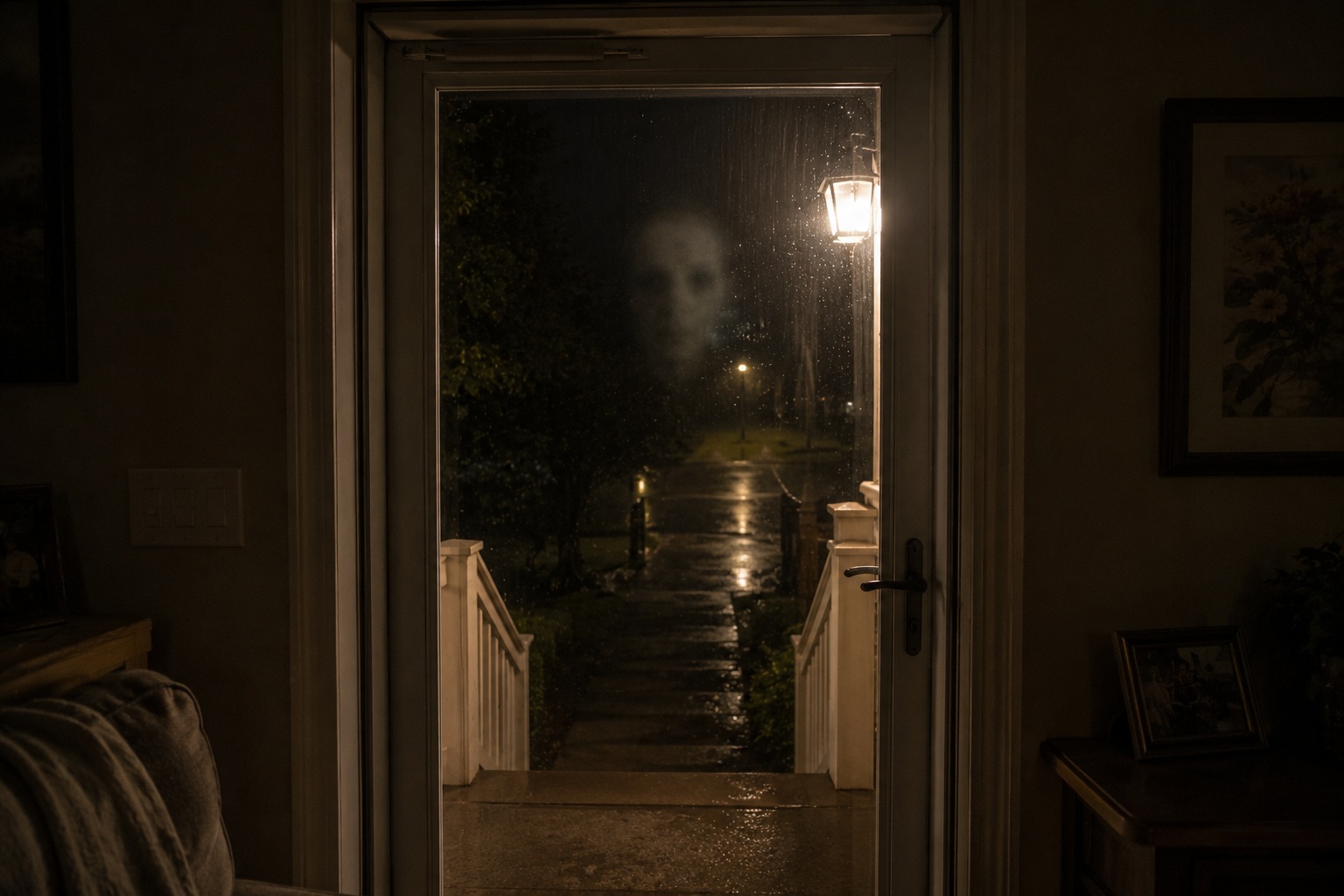
Fear often comes from uncertainty rather than certainty. If someone truly found an intruder outside the window, the event would become a frightening but understandable story. When nobody is there, the mind keeps searching.
Was it a reflection? Did the lighting change? Did exhaustion create an illusion? Or did they briefly see something they cannot easily describe?
Because no answer completely replaces the memory, the scene continues replaying. Many people who report faces in windows say they later avoid looking into dark glass altogether. They close curtains earlier. They switch on outdoor lights before checking the yard.
Why The Story Still Gets Shared
Some deliberately avoid catching their own reflection at night. Interestingly, they are usually not afraid of ghosts in general. They are afraid of repeating one very specific moment: seeing a face that should not have been there. That narrow fear makes these stories feel believable to readers because it matches how many unsettling memories actually work.
Dark windows have frightened people for generations because they sit between two familiar worlds. Inside feels safe. Outside feels unknown.
At night the glass blends both together. Most of the time the strange face belongs to nothing more mysterious than reflections and the remarkable way our brains search for familiar shapes. That explanation accounts for many experiences. Yet stories continue because not every witness walks away convinced that reflections alone explain what happened.
Some remember a face that never behaved like a reflection. Others remember impossible stillness, missing features, or the unsettling feeling that whatever they saw seemed to notice them first. Whether those moments come from unusual lighting, human perception, or something no one fully understands, they all leave behind the same lasting image.
A dark window. Your own reflection. And, for just one impossible second, someone else's face standing beside it.