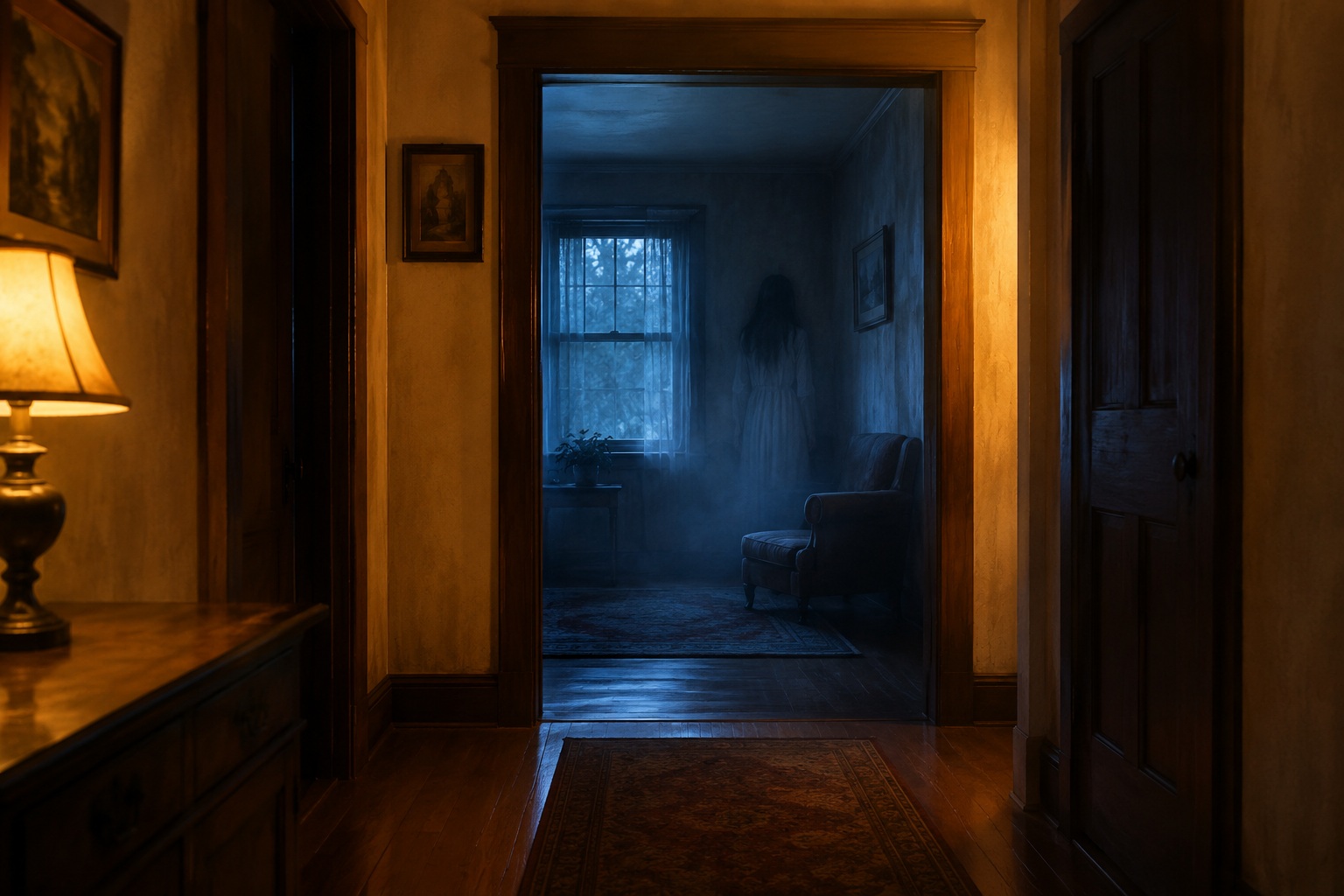
The hallway was warm enough that he had rolled up his sleeves while unpacking boxes. Sunlight still reached through the front windows, and the house felt ordinary despite its age. The only room left was the small sitting room at the end of the hall.
As soon as he stepped through the doorway, the temperature changed. It was not a gentle draft. It felt like walking into air from another season. His breath did not fog, but the skin on his arms tightened immediately. The warmth disappeared as if someone had opened an invisible freezer.
He took one step backward. The warmth returned. He stepped forward again. The cold waited in exactly the same place.
Standing in the center of the room, he looked around for an open window, a vent, a crack beneath the door, anything that could explain it. Nothing moved. The curtains hung still. The old fireplace was sealed. Yet every time he crossed the same invisible line, the air wrapped around him like cold water.
The First Time It Happened
Then he noticed something else. In the far corner stood what looked like a woman facing the wall. She was pale, slightly transparent, and blurred around the edges. Before he could focus on her face, she slowly faded until only the empty wallpaper remained. Stories like this appear in strange house books, witness statements, online discussions, and late-night conversations everywhere. Whether someone believes they saw a ghost or simply experienced something unusual, cold spots are one of the details that gets repeated more than almost any other. So why do so many strange house stories include them?
Why cold spots feel so frightening People notice temperature changes constantly, but most happen gradually. Walking from sunlight into shade feels natural. Entering a basement feels expected. Opening a refrigerator sends cool air across your face. Cold spots in strange stories feel different because they seem limited to one exact location.
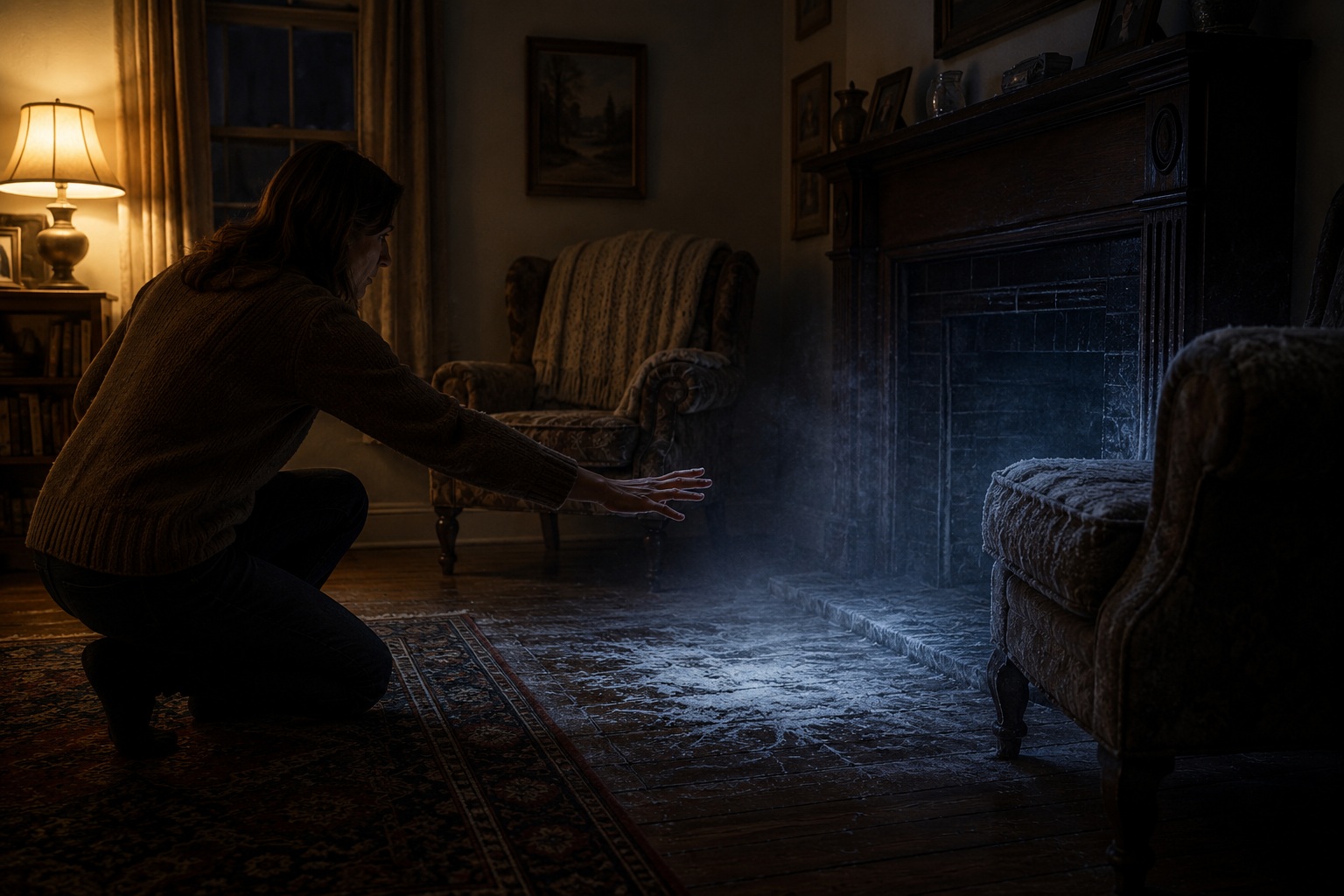
Witnesses often describe taking two steps into icy air and then immediately stepping back into normal room temperature. The change feels sharp instead of gradual, making the space seem strangely defined. That simple detail turns an ordinary room into something people remember for years. Our brains naturally expect air to mix together. When a patch of cold seems to stay in one place without an obvious reason, it immediately grabs attention.
Even people who never report seeing anything unusual often remember exactly where they felt unexpectedly cold. That makes cold spots one of the easiest details for people to describe later. Unlike strange sounds or quick glimpses, temperature feels personal. You experience it directly instead of wondering whether you imagined seeing something.
Why This Pattern Feels So Specific
Because of that, cold spots often become the center of strange house stories. What people usually check first One reason these stories continue to spread is that most witnesses describe trying ordinary explanations before anything else. They look for an open window.
They check heating vents. They search for damaged insulation. They stand near doors, fireplaces, crawlspace openings, or attic stairs. Sometimes they find an obvious answer.
Old homes are full of hidden drafts. Air can travel inside walls, beneath floors, and through tiny cracks that are difficult to notice. Even modern houses can have surprising pockets where warm and cool air meet. But many stories continue because the witness says those first checks did not explain what they experienced.
The reported cold remained in one small area. Moving only a few feet changed everything. That does not automatically make the experience supernatural. It simply explains why people keep talking about it afterward.
The Detail That Makes People Stop
A mystery that survives the first few simple checks naturally sticks in someone's memory longer than one solved in a few seconds. Why strange stories connect cold with ghostly figures Cold spots rarely appear alone in ghost stories. They are often paired with another strange detail.
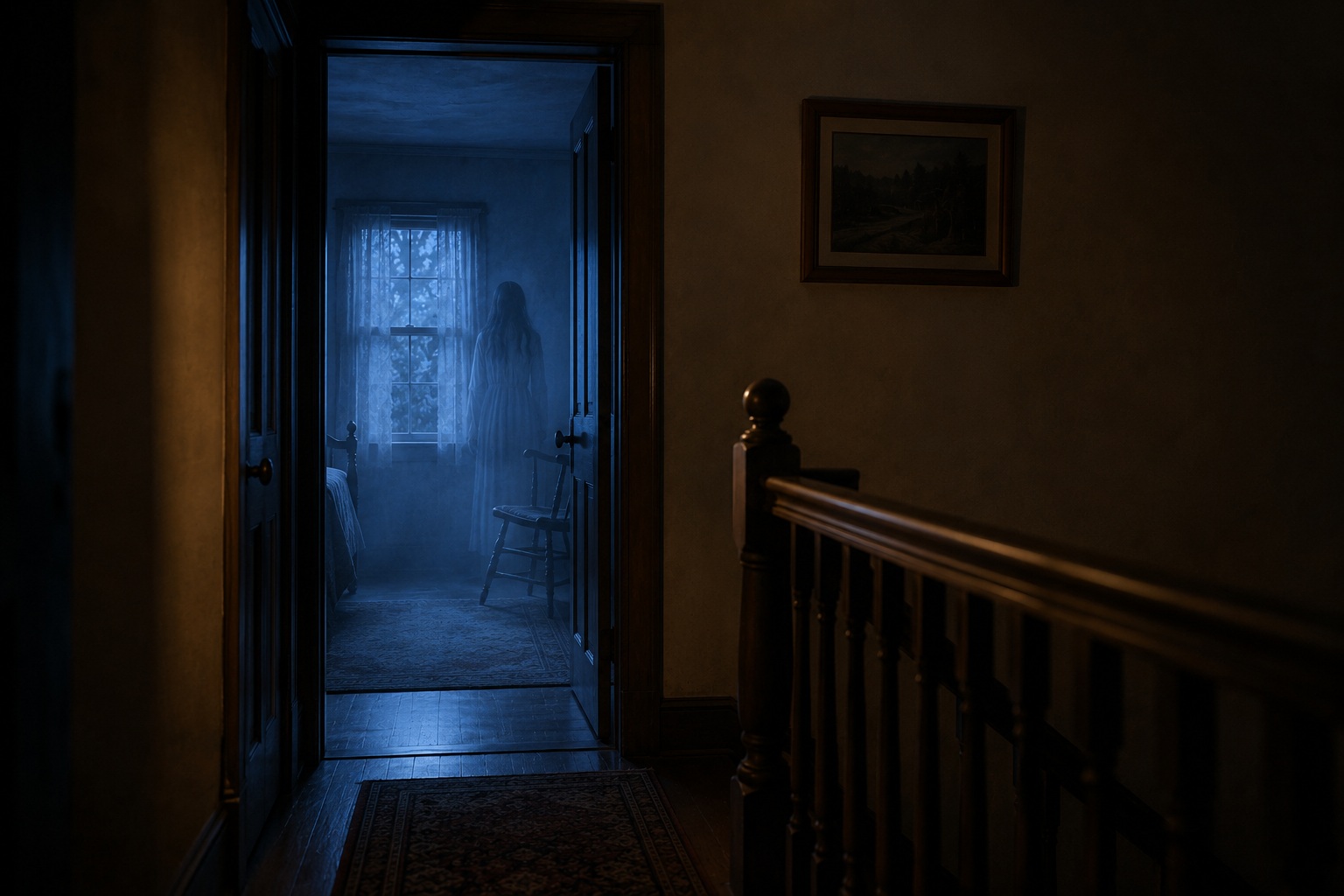
Someone feels the temperature change first. Then they notice a blurred person standing near a staircase. Or they glimpse a pale face reflected in dark glass. Or they see someone who seems to be standing in a place where nobody could comfortably stand, such as halfway inside a wall or facing the wrong direction without moving.
These stories become memorable because the cold creates tension before anything visual happens. Instead of immediately introducing a frightening figure, the story builds slowly. The room becomes quiet. The air changes.
People stop talking. Someone notices goosebumps. Only then does the strange shape appear. That pattern feels believable to many readers because it follows the way people naturally notice their surroundings.
Ordinary Explanations People Check First
You usually feel the room before you study every corner. Even when no figure appears, many strange stories end with someone quietly deciding to leave because the atmosphere suddenly feels wrong. The cold becomes the warning rather than the ending. Can ordinary buildings create strange cold areas?
Absolutely. Many buildings naturally develop temperature differences. Older homes often have uneven insulation. Brick walls can remain cool long after outside temperatures change.
Unused fireplaces may allow hidden air movement. High ceilings let warm air collect overhead while cooler air settles lower. Basements, crawlspaces, and stairwells can move air in unexpected ways. Humidity also changes how cold feels.
A slightly cooler room with damp air often feels dramatically colder than a dry room at the same temperature. People are also surprisingly sensitive to sudden changes. A difference of only a few degrees can feel much larger when it happens instantly. That helps explain why cold spots are reported in so many ordinary places that are not considered strange at all.
The Moment It Became Harder To Ignore
At the same time, not every witness describes the same experience. Some insist the cold remained in one exact location despite returning multiple times. Others say another person standing beside them noticed it too. Those details are difficult to evaluate years later, but they help explain why these stories continue to circulate.
The mystery survives because the experience felt unusually specific to the people involved. Why the idea keeps returning across generations Cold spots appear in stories from different countries, different time periods, and completely different kinds of buildings. Old farmhouses.
Hotels. Schools. Historic theaters. Abandoned hospitals.
Ordinary suburban homes. The setting changes, but the pattern often stays remarkably similar. Someone enters a room. They suddenly become cold.
Why People Avoided That Spot Later
The air feels heavier or strangely still. Then something else happens that they cannot easily forget. Sometimes that second event is only a feeling that someone is watching. Sometimes it is a blurred figure that fades before anyone else sees it.
Sometimes it is nothing more than an overwhelming urge to leave. Because the sequence is simple, people remember it easily. It also appears in movies, novels, television shows, and podcasts, reinforcing what audiences already expect from strange places. Once people become familiar with that pattern, they may pay closer attention to unexpected temperature changes than they otherwise would.
That does not mean every cold spot has the same explanation. It simply shows how strongly stories shape the details people remember afterward. Other strange house patterns that often appear alongside cold spots Cold spots rarely exist by themselves in paranormal stories.
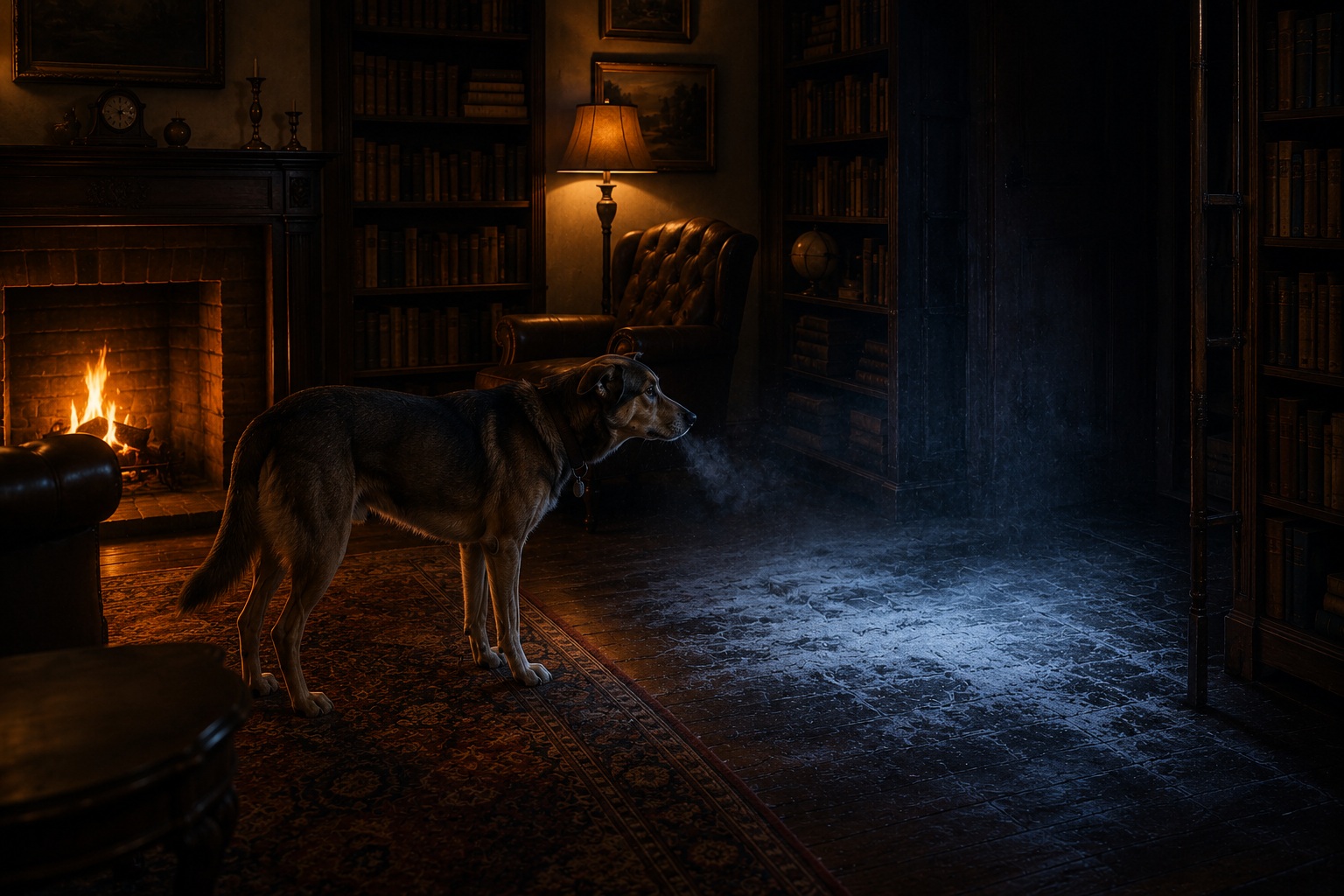
They are usually part of a larger group of experiences that appear again and again. Many witnesses also describe hearing footsteps from empty rooms. Others mention their dog refusing to enter one particular doorway while staring into an empty corner. Some report seeing a blurred figure standing at the end of a hallway before it quietly disappears.
Why This Pattern Keeps Coming Back
Mirror stories are another common companion. Someone looks into a mirror expecting an empty room behind them but briefly notices a pale figure that is not present when they turn around. Unlike dramatic horror scenes, these moments stay frightening because very little actually happens. The ordinary setting never completely changes.
The house remains familiar. The furniture stays where it belongs. Nothing attacks anyone. Instead, one small detail refuses to fit with the rest of the room.
That contrast makes the memory difficult to forget. Whether the explanation turns out to be unusual airflow, the power of expectation, or something a witness believes cannot easily be explained, cold spots remain one of the most recognizable parts of strange house stories. They represent the moment when an ordinary room suddenly feels different.
And sometimes, according to the people who tell these stories, the cold is not the strangest thing waiting there.