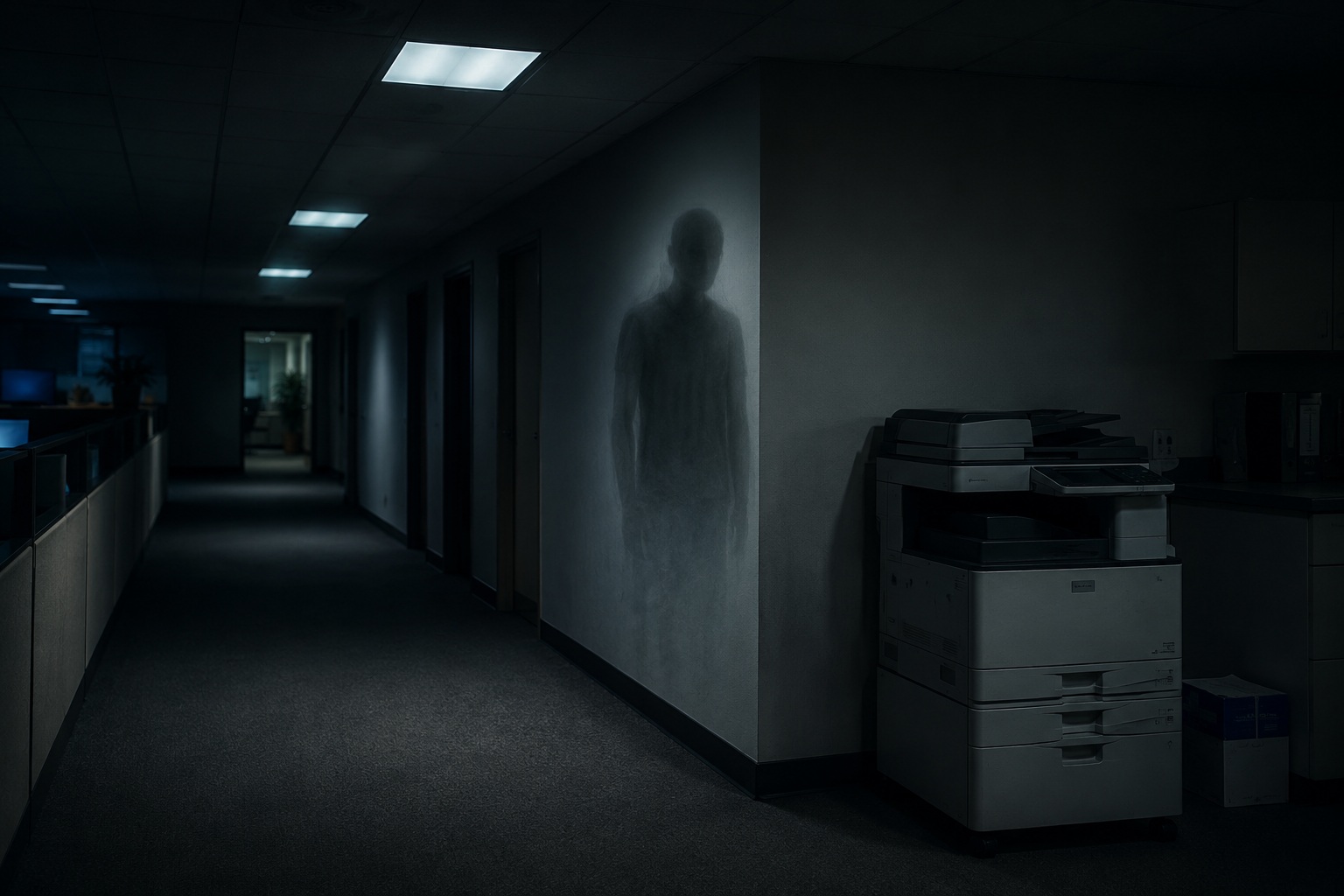
A man stayed late at his office after everyone else had gone home. The building was quiet except for the steady hum of air conditioning and the glow of fluorescent lights above the empty cubicles. As he gathered his laptop, the lights over the hallway flickered once.
He looked up, expecting them to go out completely, but they steadied again. He shrugged, picked up his bag, and walked toward the elevators. Halfway there, the lights flickered a second time. This time the hallway felt different. Not darker exactly. Just strangely empty, as if the building had become much larger than it was a minute earlier.
Near the copy room stood someone who had not been there before. It looked like a person waiting quietly beside the wall. The figure wore what looked like ordinary clothes, but its face had no features at all. It was smooth, pale, and slightly blurred, like fog pressed into the shape of a head.
The man stopped. The lights flickered a third time. For less than a second, the figure seemed to sink partly into the wall without taking a step. When the lights returned, the hallway was empty.
The First Time It Happened
Stories like this appear everywhere—from hospitals and hotels to schools, homes, offices, and apartment buildings. Whether people believe they saw a ghost, misread a shadow, or experienced something their brain could not explain, one detail comes up again and again: the lights flickered first.
So why do so many ghost stories begin with the lights changing? Why flickering lights feel like a warning Electric lights are supposed to behave predictably. You flip a switch, and they stay on.
When they suddenly dim, pulse, or flicker for no obvious reason, people immediately notice because something reliable has become unreliable. That change also alters how we see the room around us. During a brief flicker, our eyes constantly readjust between bright and dark. Shadows seem to move. Reflections disappear and return. Objects appear slightly different each time the light comes back.
Most of the time there is a simple explanation. A loose bulb, a failing fluorescent tube, a power fluctuation, or an overloaded electrical circuit can all produce irregular lighting. But witness stories usually become memorable because something else happened during those same few seconds. Someone notices a person standing where nobody should be.
Why This Pattern Feels So Specific
They glance again after the lights return, and the figure is gone. Or they briefly see someone who appears transparent, faceless, or partly inside a doorway before the room looks normal again. The flickering itself is not necessarily frightening. It becomes frightening because people connect it to whatever happened next.
Why ghost stories connect spirits with electricity Many ghost stories describe strange effects on electrical devices. Lights dim. Lamps switch off.
Hallway bulbs flash unexpectedly. Televisions briefly lose their picture. Some people even describe batteries draining unusually fast after a frightening experience. These stories appear across different countries and generations, which is one reason the idea has stayed popular.
There is no accepted explanation showing that ghosts affect electricity. Even so, the pattern survives because it fits how people naturally build stories. If something unusual happens immediately after an electrical problem, the two events become linked in memory. The flickering becomes the beginning of the story.
The Detail That Makes People Stop
The ghost becomes the ending. After hearing enough stories with that same sequence, people begin expecting it. That expectation changes how later experiences are remembered. Instead of thinking, "The lights flickered."
People remember, "The lights flickered, and then something appeared." What witnesses usually describe seeing Interestingly, ghost reports connected to flickering lights rarely describe detailed people. Instead, the figures usually have one impossible feature.
Many reports describe someone with no visible face. Others describe a person whose edges fade into the background. Some witnesses say the figure appears transparent enough to see wallpaper or shelves through its body. Others describe someone standing perfectly still for an unnaturally long time.
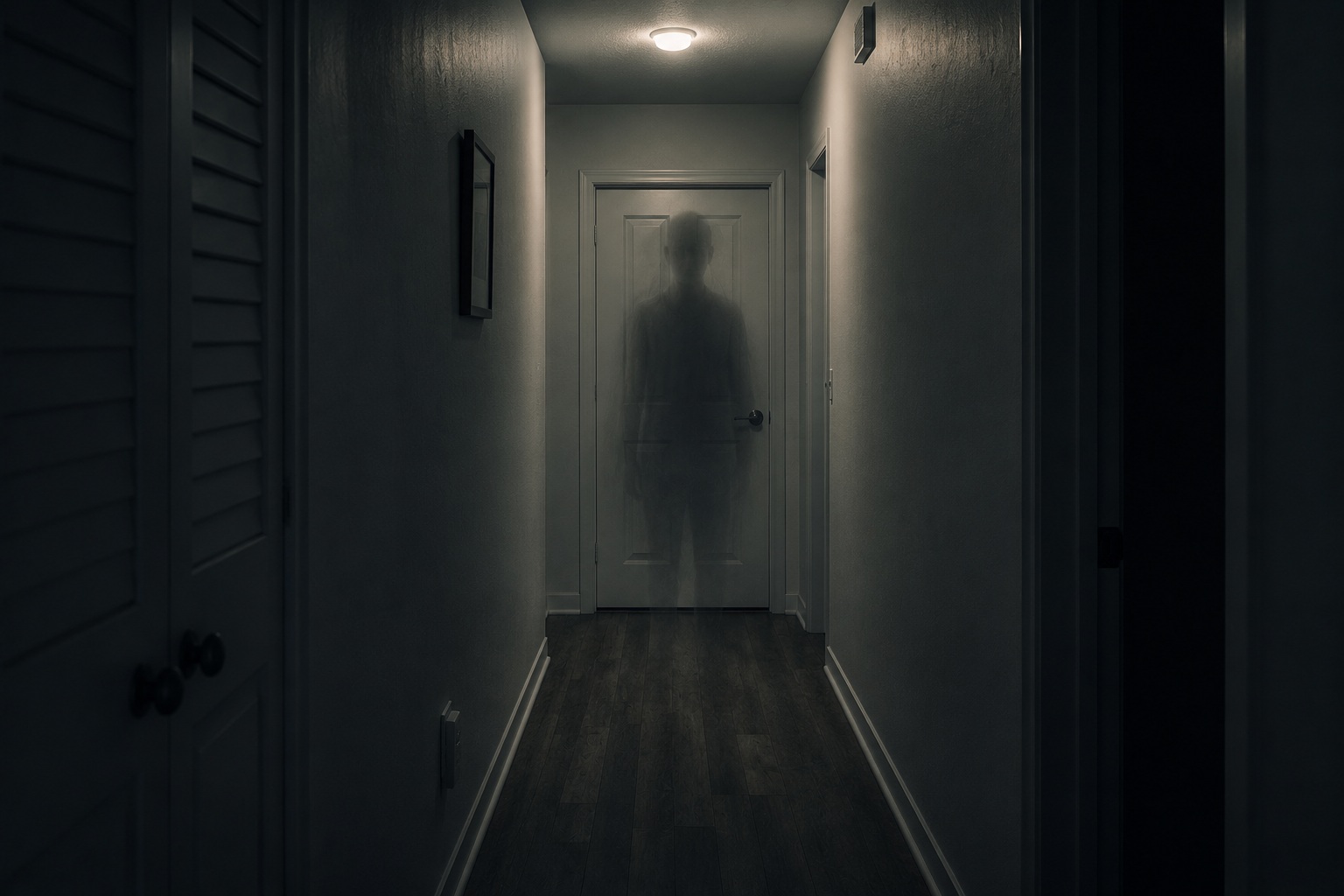
A common detail involves impossible placement. Instead of standing normally on the floor, the figure appears partly inside a wall, halfway through a closed door, or fading into the ceiling. These simple details often leave a stronger impression than dramatic monsters. The human brain immediately recognizes that something is wrong.
Ordinary Explanations People Check First
Even if the figure is only visible for a second, the impossible detail becomes unforgettable. That is one reason these stories spread so easily. The ghost is recognizable as a person—but not completely. What people usually check first afterward
After a frightening experience, most people do not immediately decide they saw a ghost. They usually begin with ordinary explanations. They check the light bulb. They ask whether anyone else noticed the power flicker.
They wonder if another apartment lost electricity at the same time. If the experience happened at work, they may ask coworkers whether maintenance was repairing electrical equipment. Some people return to the hallway or room minutes later. Others avoid it completely.
The Moment It Became Harder To Ignore
If there was a mirror nearby, they sometimes look again to see whether the strange reflection returns. If another person was present, witnesses often compare memories. Did both people notice the flickering? Did both see someone standing there?
Or did only one person notice the figure? Those questions matter because memory changes quickly after frightening events. The more people discuss what happened, the more certain details sometimes become stronger while others fade away. That does not automatically mean someone invented the story.
It simply shows how people naturally rebuild stressful memories while trying to understand them. Why the combination stays so unsettling Either event by itself is fairly ordinary. Lights flicker.
People occasionally mistake shadows or reflections. Together, however, they create a sequence that feels meaningful. The brief darkness interrupts normal expectations. When the light returns, the brain rapidly checks whether everything is still where it belongs.
Why People Avoided That Spot Later
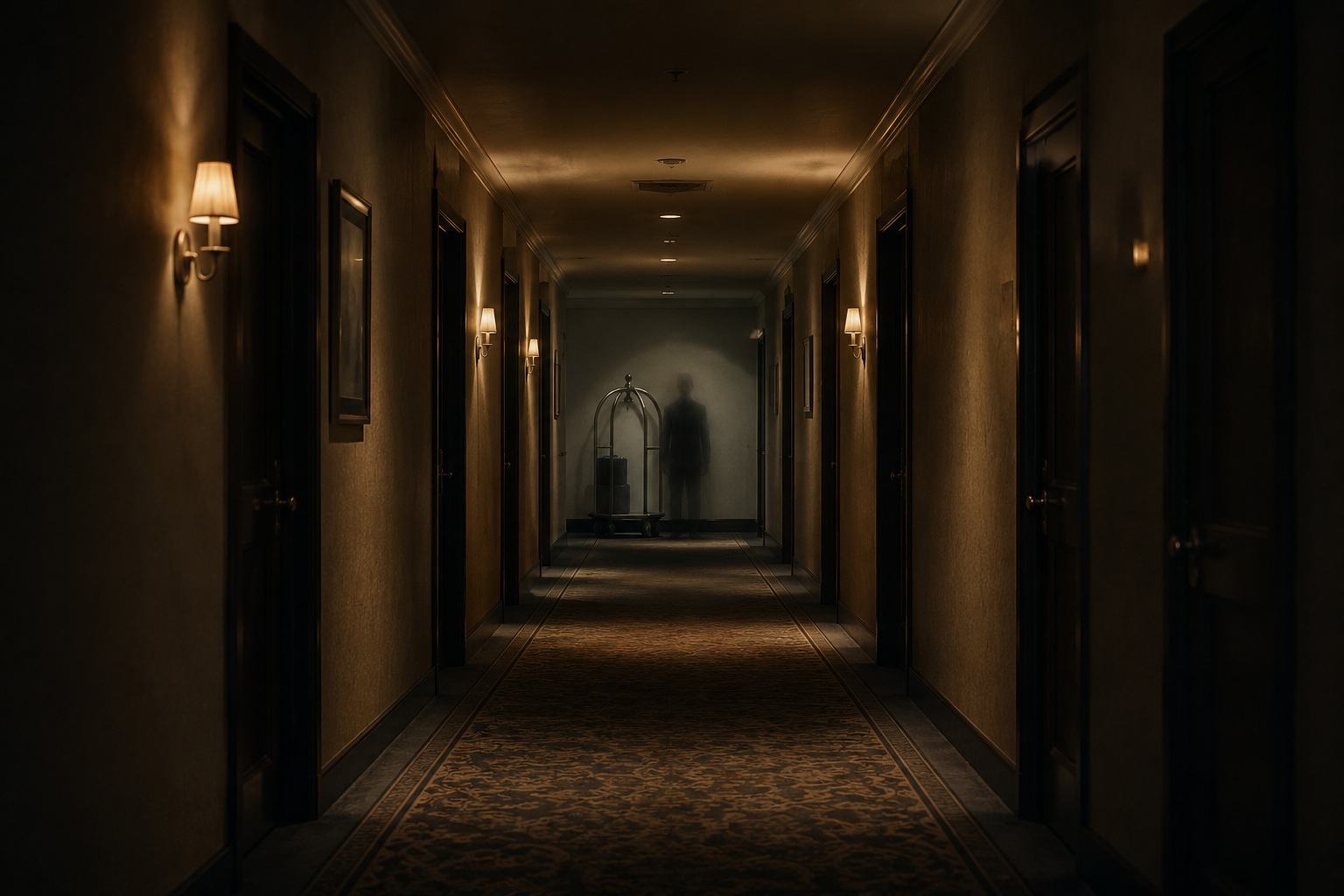
If something appears different—even for a split second—that difference demands attention. Ghost stories often take advantage of exactly that moment. The light goes out. Someone appears.
The light returns. The person is gone. It is a simple rhythm that people immediately understand. Unlike stories filled with loud noises or dramatic attacks, these experiences leave room for uncertainty.
The witness is left asking one question instead of finding an answer. "What did I just see?" That uncertainty often becomes scarier than certainty. Readers imagine themselves standing in the same hallway or bedroom, waiting for the next flicker.
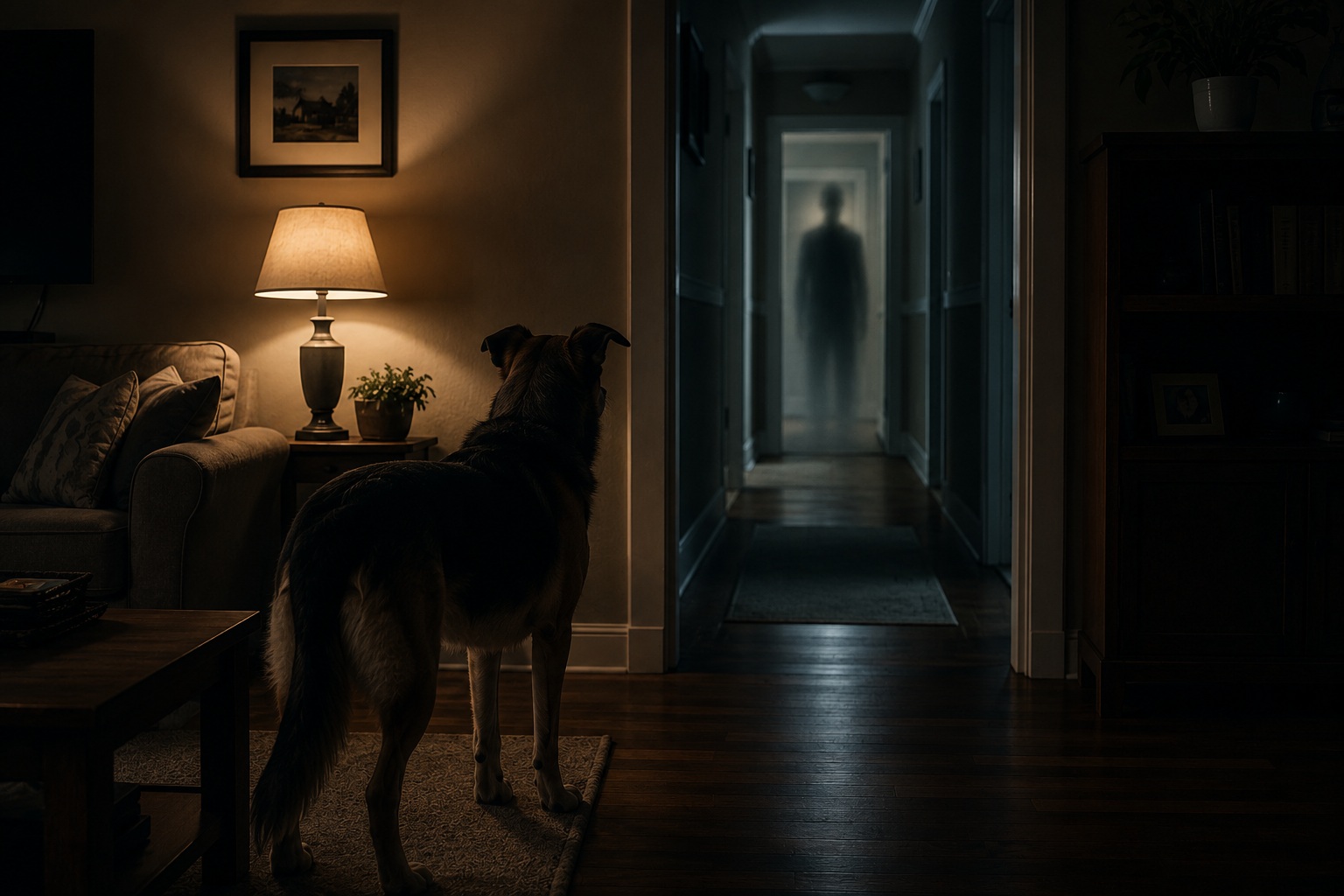
Other strange patterns that often happen at the same time People who report flickering lights sometimes mention other experiences that appear alongside them. One common report is hearing their name softly spoken from another room immediately after the lights dim. Others describe dogs suddenly staring toward an empty corner without making a sound.
Why This Pattern Keeps Coming Back
Some notice a mirror reflecting someone who is no longer standing there. Others say they briefly see movement in a doorway, only to find the room empty a moment later. None of these experiences automatically point to the same cause. Each can have ordinary explanations depending on the situation.
What makes them memorable is the combination. Several small odd events happen close together. Each one alone might be ignored. Together they become a story people remember for years.
That is why lights flickering before a ghost sighting continues to appear in books, movies, online discussions, and personal witness stories. Whether someone sees the pattern as coincidence, psychology, electrical trouble, or something beyond everyday understanding, the sequence taps into a very old fear. Darkness interrupts the ordinary world.
The light returns. Someone is standing there. Then, before anyone can understand what happened… The room is empty again.