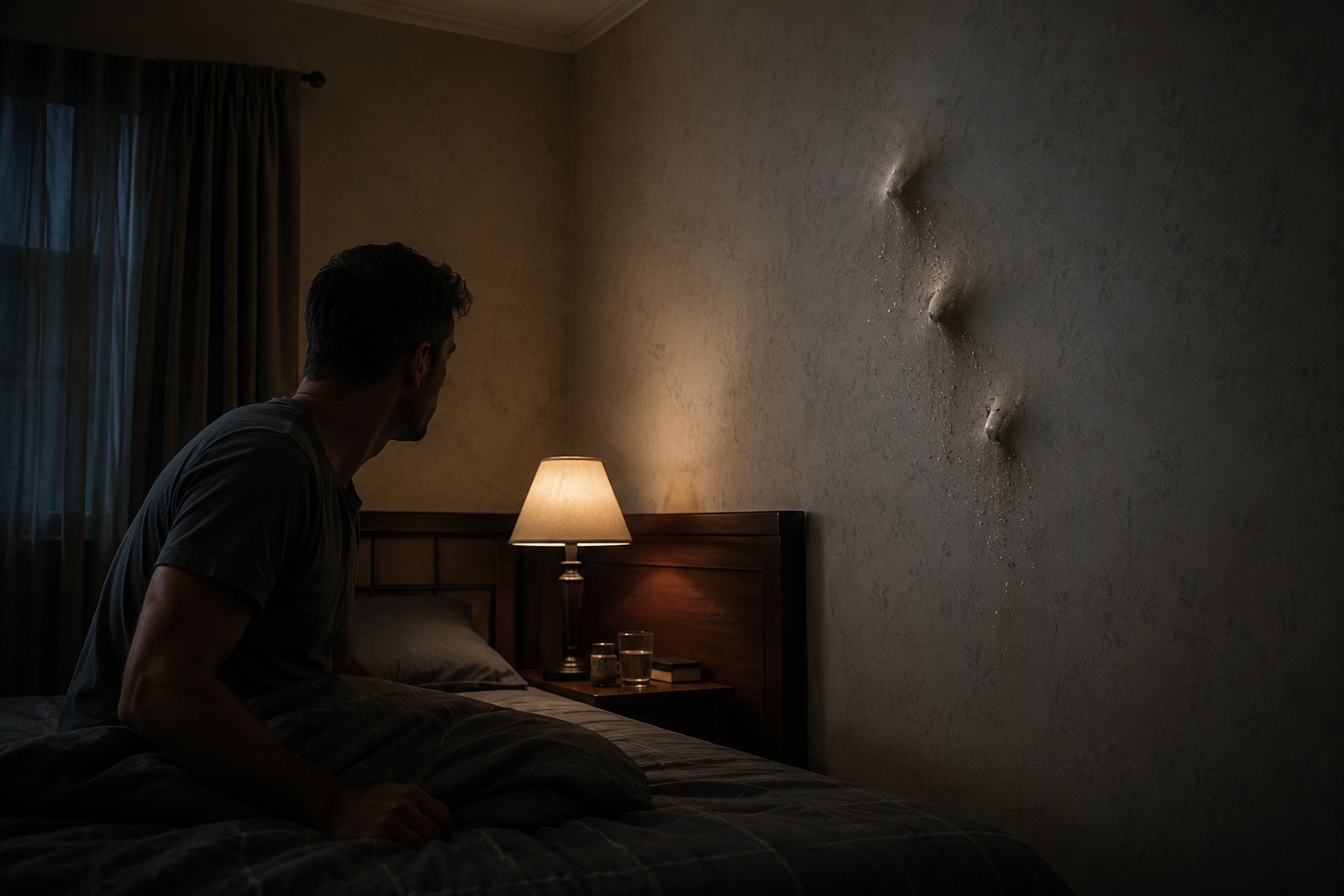
A man had just turned off every light in his house when the first knock came. It was not from the front door. It came from inside the bedroom wall beside the headboard.
Three slow taps. He froze, listening for pipes, branches, or the old furnace. The house had made noises before, but this sounded deliberate. It stopped long enough for him to convince himself it was nothing. Then came three more knocks. This time they seemed slightly closer, as if whatever made them had moved inside the wall toward the corner of the room.
He switched on the bedside lamp and pressed his ear against the plaster. Silence. The moment he stepped away, another sharp knock echoed from somewhere behind the wallpaper. He searched the attic the next morning. He checked for loose pipes, mice, birds, and anything else that could explain it. He found nothing unusual.
Stories like this appear everywhere. People describe knocking that seems to travel through walls, answer their movements, or happen only after the house becomes quiet. Some stories end with a simple explanation. Others leave people wondering why the sound felt so strangely intentional. That question has become one of the most common topics in modern ghost stories.
The First Time It Happened
Why wall knocking feels different from ordinary house sounds Every house makes noise. Wood expands after warm days. Pipes shift as temperatures change. Heating systems click as they cool. Wind can make siding flex in surprising ways. Most of those sounds are random.
People quickly learn the normal rhythm of their own homes without realizing it. After weeks or months, familiar creaks almost disappear into the background. Wall knocking is different because witnesses often describe a clear pattern. Instead of scattered pops, they hear two or three evenly spaced knocks.
Sometimes the sound repeats after several minutes. Sometimes it seems to come from a different section of the wall each time. That small amount of structure makes people pay attention immediately. Our brains naturally look for intention.
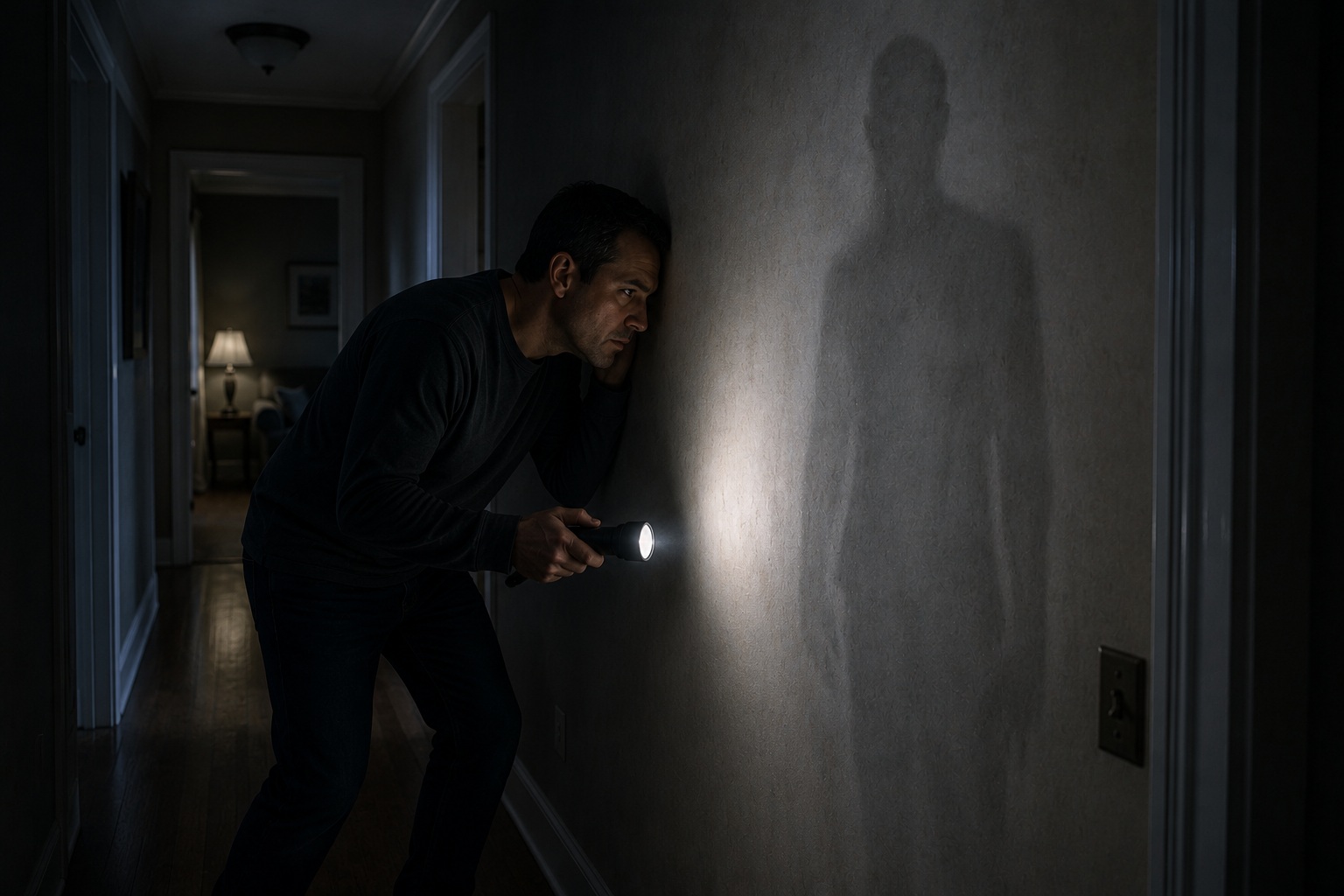
Three evenly spaced knocks feel less like a building settling and more like someone trying to communicate, even if there is no reason to believe that is happening. That is one reason these stories remain so memorable. What people usually check first Most witnesses do not immediately think about ghosts.
Why This Pattern Feels So Specific
They start with ordinary possibilities. They walk outside to check for tree branches touching the house. They inspect the attic for birds, squirrels, or raccoons. They look for loose plumbing that could strike wooden framing.
Some discover the answer within minutes. Others never do. A common detail in many stories is that the knocking stops whenever someone begins searching. The house becomes completely quiet.
People return to bed. Minutes later the sound begins again. That cycle creates the unsettling feeling that the noise somehow reacts to the person rather than simply happening on its own. Whether or not that impression is accurate, it is one of the details that makes these experiences so unsettling.
Many people also notice that the knocking happens during the quietest part of the night. Background sounds disappear. Small noises become much easier to notice. That alone can make ordinary sounds seem louder and more focused than they would during the day.
Why ghost stories so often include knocking Knocking has appeared in ghost stories for generations. Unlike footsteps or voices, it is simple. Everyone understands what a knock means.
The Detail That Makes People Stop
It usually signals that someone wants attention. When that familiar sound comes from inside a wall instead of a door, the ordinary meaning suddenly feels wrong. That contrast creates fear without needing dramatic monsters or violent scenes. Some stories describe knocking that moves through different rooms.
Others say the sound always comes from one particular wall. In older houses, people sometimes associate it with unused fireplaces, hidden staircases, or rooms that were remodeled decades ago. Modern apartment stories often place the sound inside shared walls where no neighboring unit exists. The setting changes.
The basic experience stays surprisingly similar. Many witnesses also describe becoming reluctant to touch the wall afterward. A simple sheet of painted plaster suddenly feels like a thin barrier hiding something unknown. That emotional reaction appears again and again in paranormal storytelling because it transforms an ordinary bedroom into a place that no longer feels safe.
The stories become stranger when the knocking seems to answer back The most memorable reports usually include one additional detail. The knocking appears to respond. Someone taps once on the wall.
Ordinary Explanations People Check First
A few seconds later, one knock comes back. They walk into another room. The sound follows several minutes later. They move their bed away from the wall.
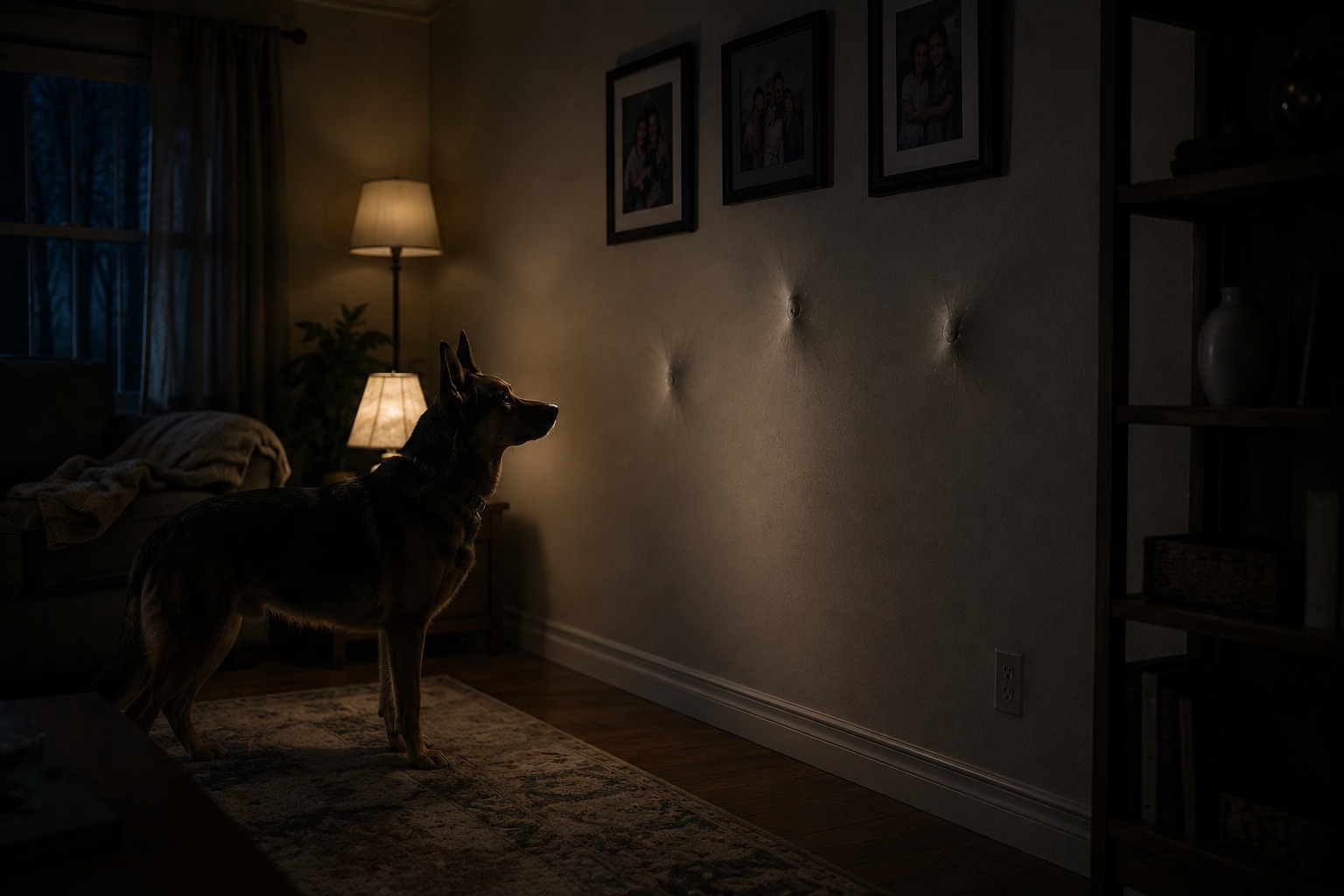
The knocking starts behind the opposite side of the room instead. These moments are impossible to verify after the fact, but they are repeated often enough that they have become part of the larger folklore surrounding strange houses. Another version involves pets. A dog sleeping peacefully suddenly lifts its head before the first knock.
It stares toward a blank section of wall. Its ears remain fixed on the same spot while another series of taps echoes through the room. Whether the animal is reacting to tiny sounds people cannot hear or simply responding to its owner's behavior, the image is memorable enough that it appears in countless retellings.
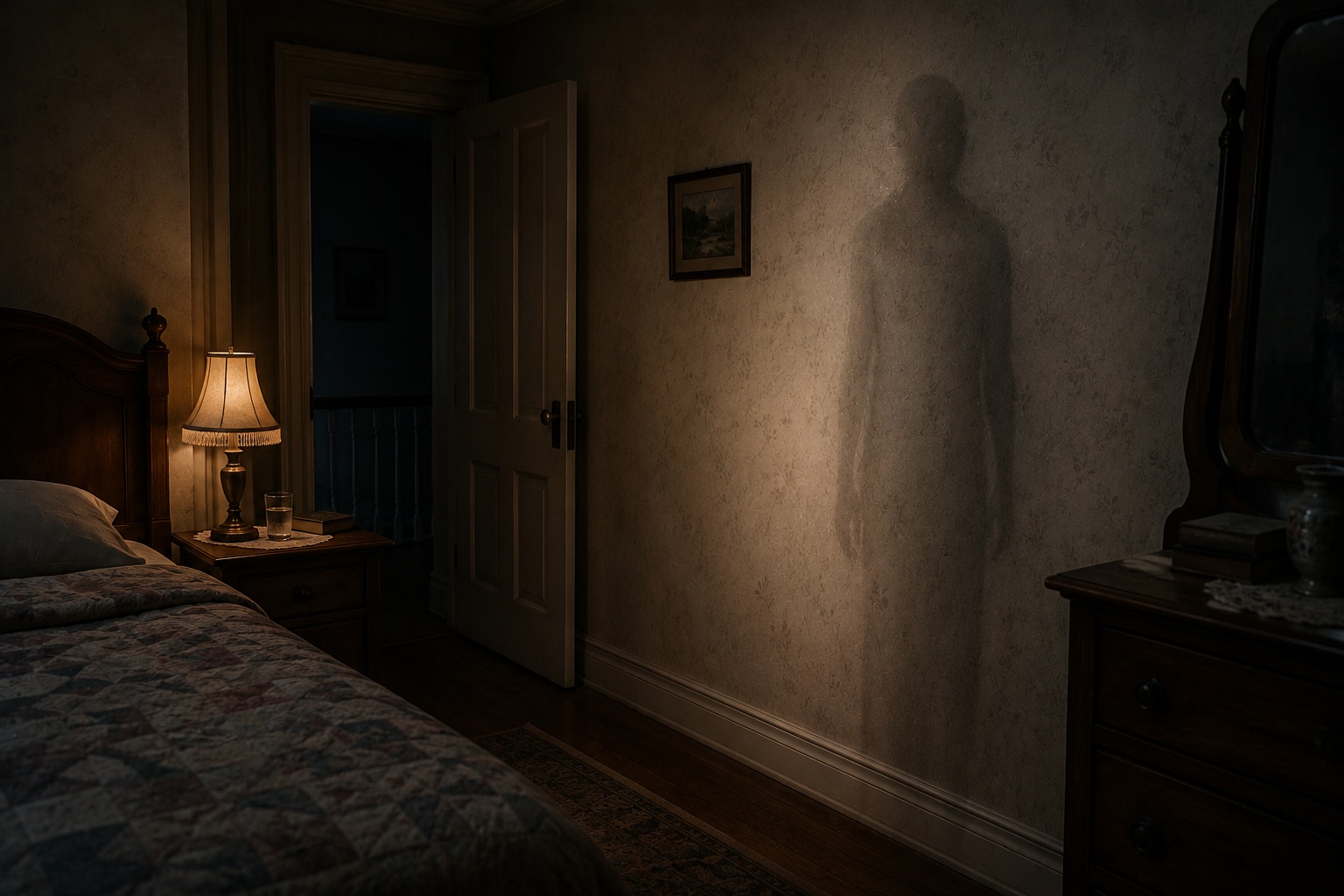
Some stories become even stranger after the sound stops. Instead of another knock, witnesses describe noticing something visual. A faint transparent person appears standing beside the wall. The figure has no clear face.
The Moment It Became Harder To Ignore
Its outline seems to fade into the plaster itself. It does not move or threaten anyone. It simply stands where the knocking had been moments earlier before slowly disappearing. That single impossible image often becomes the detail remembered years later.
Why these stories spread so easily Wall knocking is easy to imagine because almost everyone has experienced strange sounds at home. Most of the time there is an ordinary reason. Occasionally there is no obvious answer.
That uncertainty gives the story room to grow. Friends compare experiences. Someone remembers hearing the same pattern in an old apartment. Another remembers a relative describing identical knocks decades earlier.
Before long, individual memories become part of a much larger collection of similar stories. The setting can be almost anywhere. A farmhouse. A suburban bedroom.
A hotel. A cabin. An apartment on the top floor. The details change, but the emotional pattern stays remarkably consistent.
Why People Avoided That Spot Later
Everything is quiet. The first knock arrives. The listener waits. The second series sounds closer than the first.
Even people who never believed the story afterward often admit they slept with a light on that night. That emotional response explains why these stories continue to circulate. They require almost nothing unusual. Only a familiar house.
A silent night. And a sound coming from somewhere no one expects. Other nighttime house experiences linked to wall knocking People who search for stories about knocking inside walls often end up reading about several related experiences.
One common pattern involves hearing footsteps above a bedroom when everyone else is asleep. Another involves hearing someone call their name from an empty room. Others describe dogs staring into dark corners where nothing visible seems to be standing. Mirror stories appear frequently as well.
Why This Pattern Keeps Coming Back
Someone glances toward a hallway mirror after hearing a knock and briefly notices a blurred figure that is not standing where the reflection says it should be. The figure is usually transparent, faceless, or partly faded into the background before vanishing entirely. These experiences are connected less because they share a single cause and more because they create the same emotional feeling.
An ordinary home suddenly feels unfamiliar. A simple sound becomes impossible to ignore. People search every room, find nothing unusual, and return to bed. Then another knock echoes softly from inside the wall.
Whether readers enjoy these stories as modern folklore, unexplained experiences, or simply well-told ghost tales, the image remains powerful because it changes one ordinary part of every house into something mysterious. The walls that normally make people feel protected suddenly seem capable of hiding something that cannot quite be seen.
That idea has fueled frightening bedtime stories for generations, and it continues to make people pause whenever a quiet house answers the silence with three slow knocks.