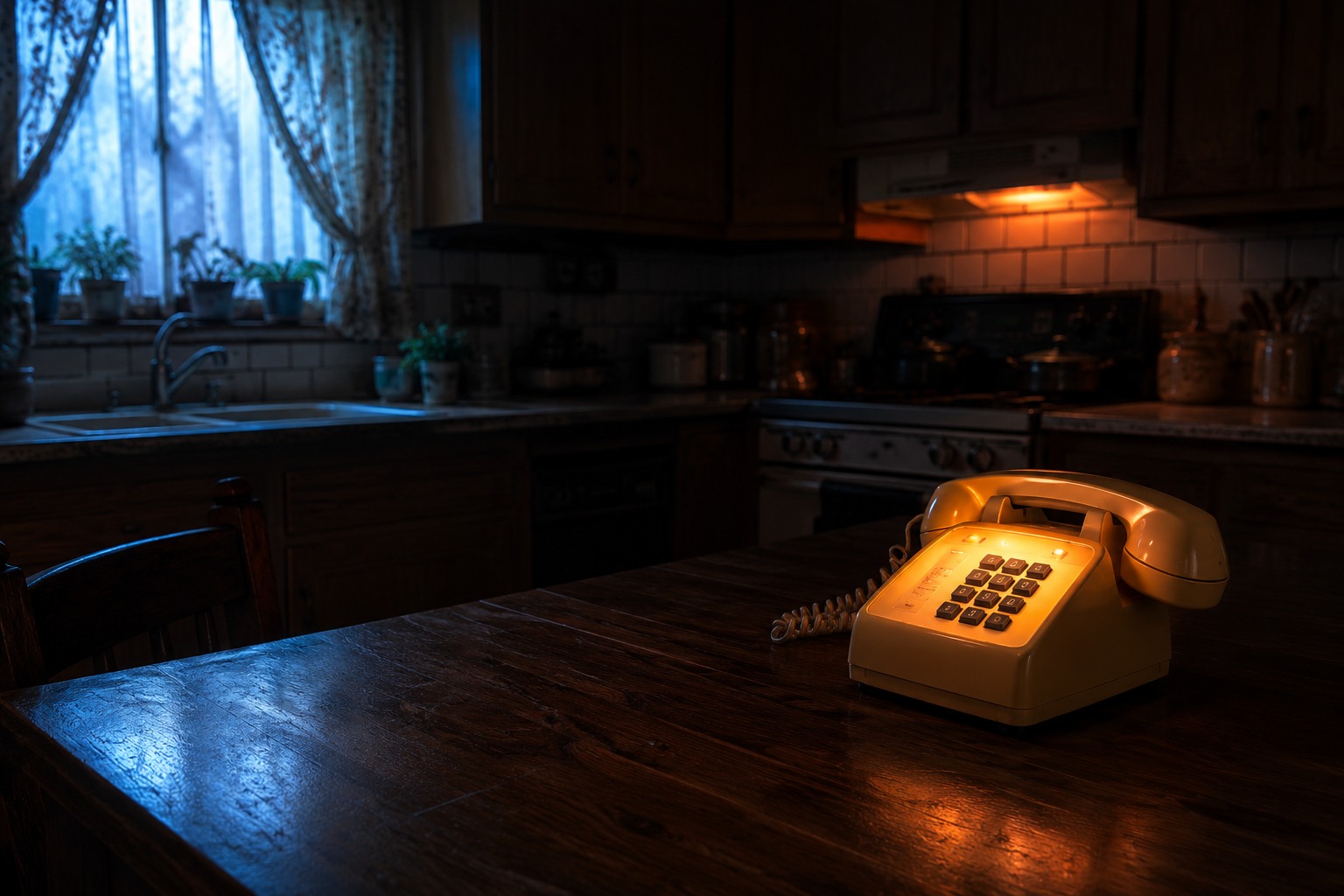
The phone rang at 2:17 in the morning, but the number on the screen belonged to a house that had been empty for months. A woman had kept the number saved because it once belonged to her father. After he died, the landline was disconnected and the house was sold. She had called it herself weeks later out of habit and heard the familiar automated message saying the number was no longer in service. Now that same number was lighting up her bedroom. She answered. For several seconds there was only a low hiss. Then came a faint scraping sound, followed by something that sounded like breathing far from the receiver. She said, “Hello?” The breathing stopped.
Then a voice, too quiet to place, said the shortened version of her name that only her father had regularly used. The call ended. By morning, calling the number again produced the same disconnected-number message as before. Stories like this appear in ghost lore surprisingly often. Sometimes the caller is supposedly a dead relative. Sometimes the number belonged to an abandoned business, an old house, or a phone that had been disconnected years earlier. In other versions, nobody speaks at all. So why do phantom phone-call stories so often involve numbers that should no longer be capable of calling anyone?
Why A Disconnected Number Makes The Call So Much Scarier
A strange phone call by itself is easy to dismiss. People receive wrong numbers, spam calls, automated calls, accidental pocket dials, and silent calls every day. Most are irritating rather than frightening. A disconnected number changes the story because it creates an immediate contradiction. The person receiving the call believes they already know something important about the number: it should not be active. That makes the number itself more disturbing than anything heard on the line. If an unknown number calls at 2 a.m., the obvious question is who called. If your dead grandfather's old number appears, the first question becomes how it called. That shift matters. Phones normally connect us to people who are somewhere else. The device assumes there is another end of the conversation: another phone, another room, another person.
The First Detail People Remember
A phantom-call story removes that comfortable assumption. The other end may be an empty house. It may be a demolished building. It may be a phone sitting unplugged in a drawer. Or there may no longer be any physical phone associated with the number at all. That is why these stories work even when the caller says nothing. Seeing the impossible-looking number can be enough. The first thing people usually check is the number. One of the most consistent parts of this type of story is what happens immediately afterward. The witness checks the call history. That is understandable because memory becomes uncertain very quickly after a frightening event. Someone awakened from sleep might wonder whether they misread the screen or dreamed part of what happened.
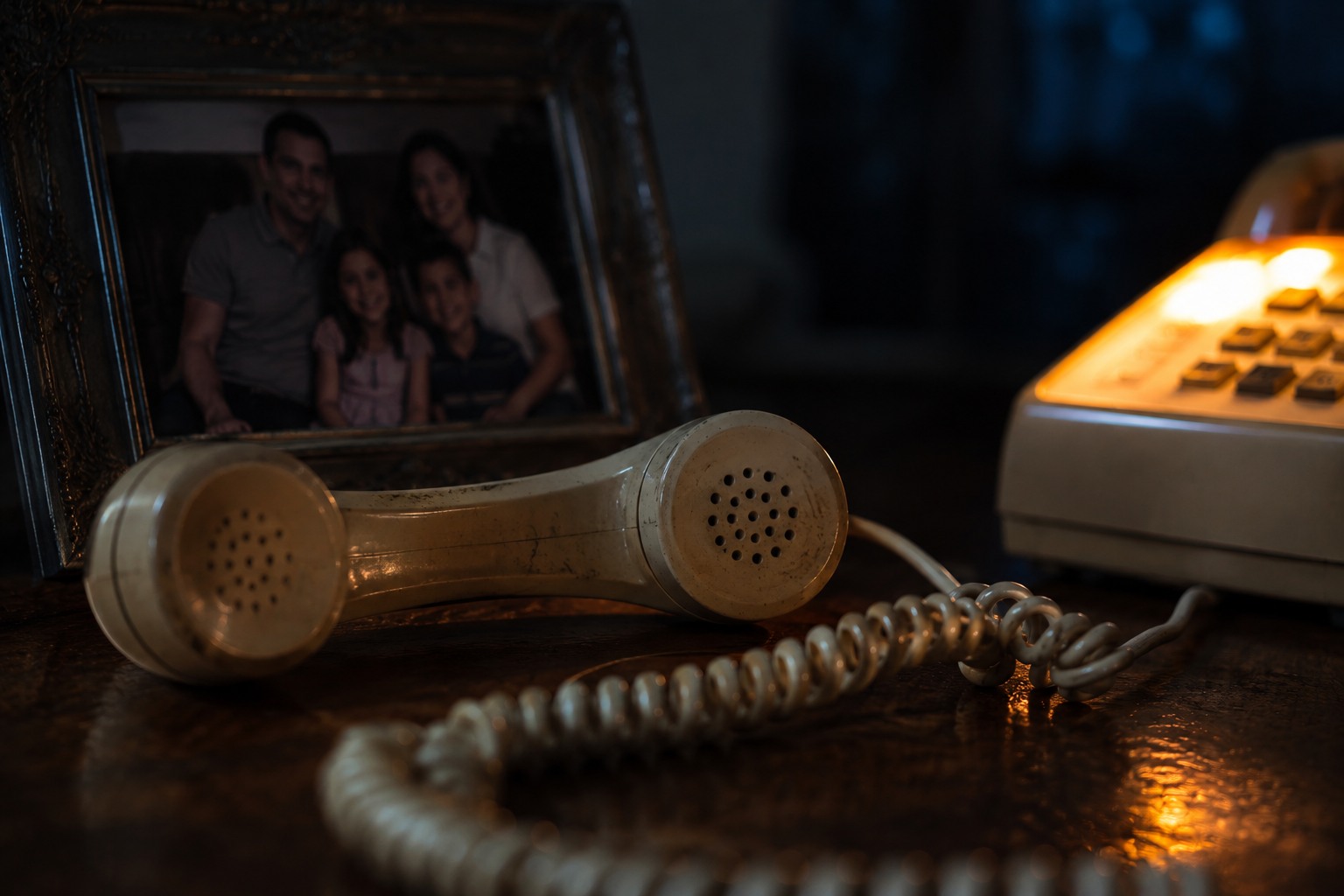
Finding the familiar number in the recent-call list feels more concrete. The next step is often calling it back. This is where many phantom-phone stories get their strongest moment. The call connects normally enough when it arrives. Yet when the witness returns the call thirty seconds later, they hear an automated message saying the number has been changed, disconnected, or cannot be reached. In older landline stories, someone might contact the telephone company or ask relatives whether the line was still active. Modern stories can involve checking old contact information, messaging family members, or confirming that a dead person's phone plan really was cancelled. There is an important caution here, though. A number appearing on a screen does not necessarily tell you where a call physically originated.
Modern phone systems make caller information far less straightforward than many people assume. That gives us the first major normal explanation for apparently impossible calls. Caller ID can show a number that never actually called you. Caller ID feels authoritative because we use it constantly.
Why The Scene Feels Wrong
But the number displayed on a phone is not the same thing as tracing a physical wire directly back to another telephone. Caller information can be manipulated. Spam operations commonly use spoofing, where a caller makes a different number appear on the recipient's screen. Sometimes they imitate numbers with the same area code because people are more likely to answer a familiar-looking call. A spoofed call could therefore display a disconnected number completely by accident. Old numbers can also be reassigned. A number someone strongly associates with a dead relative may eventually belong to somebody else. Telecommunications systems contain forwarding services, internet calling, business routing systems, databases, voicemail platforms, and other layers that can produce confusing results. Then there is ordinary human memory.
Someone frightened awake at night may remember a number as being disconnected when it was actually transferred, suspended, or later reactivated. All of those explanations should be considered before anything stranger. They explain many phantom-call stories without requiring a phone to somehow ring from an empty house. But they do not explain every detail equally well. The stranger cases usually include something more personal than the displayed number. The voice is usually what turns a glitch into a ghost story. Imagine receiving a call from your late mother's old number. You answer. There is silence. That is unsettling, but technically it could be almost anything. Now imagine hearing her voice. That is where the story changes. Phantom-phone reports frequently include short, incomplete communication rather than long conversations.
A witness might hear their name, a familiar greeting, crying, breathing, or a few words before the line goes dead. This brevity actually makes the stories harder to judge. A long conversation provides details that can be compared and questioned. A two-second whisper provides almost nothing.
What Witnesses Usually Check First
People are also remarkably good at finding familiar patterns in poor sound. Telephone audio removes much of the richness of a natural voice. Add static, compression, background noise, exhaustion, grief, expectation, and fear, and an unclear sound can become surprisingly meaningful. A muffled “hello” from a stranger might resemble someone you know. Static can briefly sound like speech. And once a familiar number appears on the screen, the brain already has a powerful suggestion about whose voice it expects to hear. That does not mean witnesses are lying. It means hearing is interpretive, especially when the sound is faint. Yet some stories add details that are more difficult to reduce to simple voice recognition. The caller uses a private nickname. They mention something specific. They say a phrase associated with the dead person.
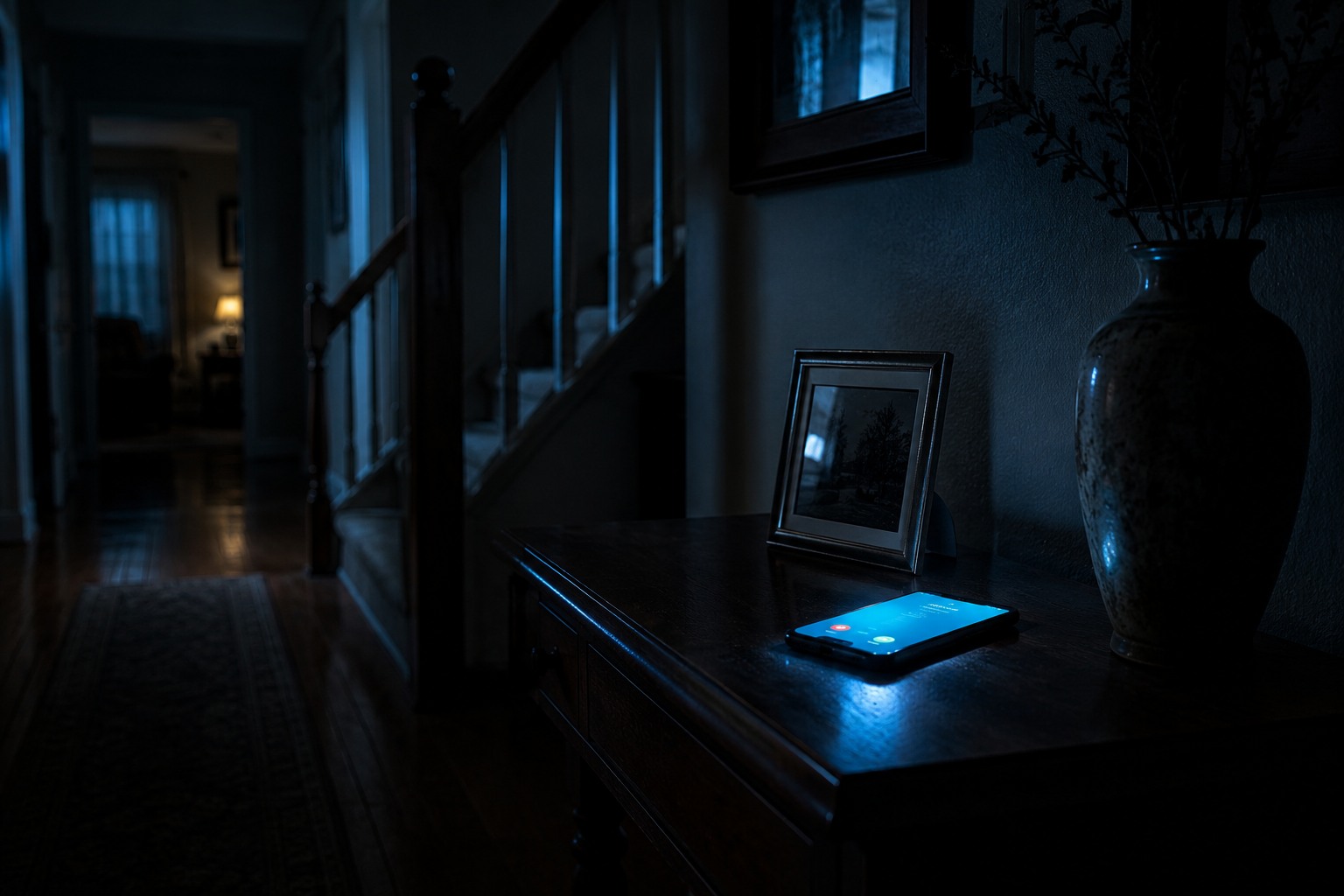
Or the call comes at a meaningful moment nobody was consciously expecting. Those are the details that keep phantom-call stories alive. Ghost stories adapt to whatever technology people use. Before telephones, stories described knocks at doors, voices outside windows, bells ringing without anyone pulling them, or messages arriving under strange circumstances. Once telephones entered ordinary homes, they became a perfect tool for the same fear. A telephone already does something slightly uncanny: it allows a voice with no visible body to enter the room. You can sit alone in darkness and hear someone speaking directly beside your ear even though that person is hundreds of miles away. Remove the living caller, and very little about the physical experience needs to change. This may help explain why bereavement appears so often in phantom-call stories.
The Ordinary Explanations That Come Up
After someone dies, their contact information can remain. Their name stays in a phone. Old text conversations remain. Voicemails survive. Their number may still be memorized even after the service disappears. Technology creates a strange gap between absence and presence. The person is gone, but pieces of their everyday communication remain immediately accessible. Then one night the phone lights up with that name. Even if there is ultimately a technical explanation, the emotional impact happens before anyone investigates it. For several seconds, the impossible possibility is already inside the room. Disconnected landlines create the creepiest version of the story. Modern smartphones make strange calls complicated because so many systems are involved. Older landline stories are often simpler, which can make them feel more disturbing. Picture an elderly man's house standing empty after his death.
The furniture has been removed. Electricity is shut off. His telephone service has been cancelled. Three months later, his daughter's home phone rings after midnight. His old number appears. She answers and hears three slow taps against what sounds like the receiver. Then nothing. That image has become a classic form of the phantom-call story because the supposed source is easy to visualize. An empty room. A telephone table against the wall.
The Detail That Keeps The Story Alive
Dust where the phone once sat. No one there to dial. Of course, even old telephone networks could produce strange behavior. Crossed lines, switching errors, damaged equipment, routing problems, and mistaken assumptions about when service was actually disconnected can all complicate the story. Telephone history is full of clicks, echoes, wrong connections, delayed sounds, and unexpected rings. The supernatural interpretation becomes weaker when the only strange detail is noise. It becomes more interesting when several independent details line up: the correct old number, recognizable speech, unusual timing, and clear confirmation that the service was inactive. Even then, “unexplained” does not automatically mean “ghost.” It simply means the easy answer has become harder to identify. When the normal explanation starts feeling weaker.
A good way to think about phantom calls is to separate the details instead of treating the whole story as one mystery. First: could the number have been spoofed? Second: could the number have been reassigned? Third: was it definitely disconnected at the time? Fourth: did the witness see the number while fully awake, or reconstruct that memory afterward? Fifth: was the voice genuinely clear? Sixth: did the caller say anything that an unrelated person could not reasonably know? Most reports become less mysterious somewhere along that chain. A spoofed number plus unclear audio can explain a great deal. So can coincidence. Suppose someone has been thinking about their dead brother all week and receives a strange call displaying his old number.
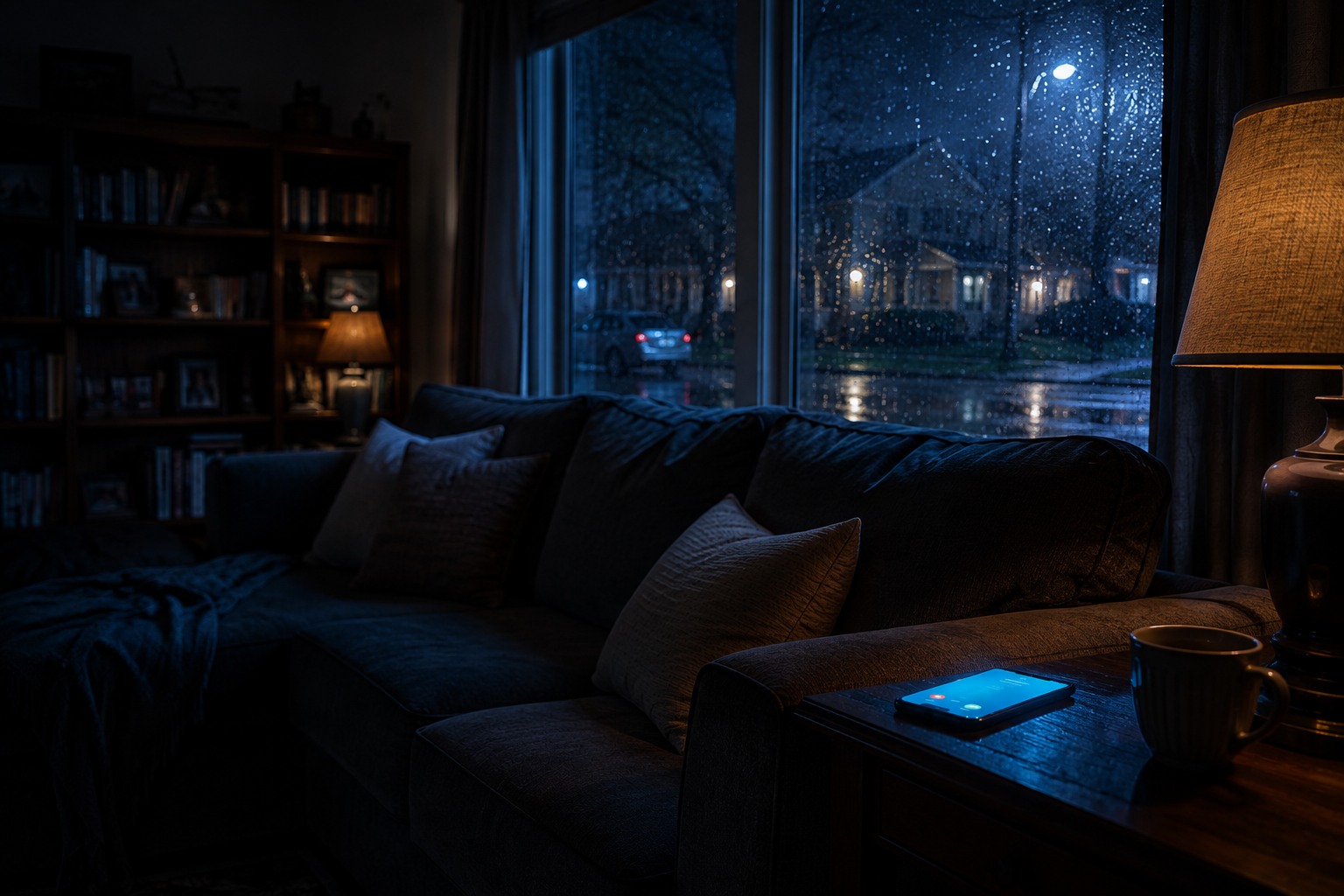
That timing feels extraordinary to the recipient, but we rarely count all the ordinary days when nothing happens. The strongest stories are those where removing one coincidence still leaves another. A disconnected number is strange.
Why People Retell This Version
A familiar voice is stranger. A private nickname adds another layer. A call arriving on a birthday or anniversary adds another. None individually establishes what happened. Together, however, they create exactly the kind of experience people remember for decades. And because the call is usually brief, there is rarely enough information afterward to settle it. Why phantom calls stay with people for years. Most ghost stories involve seeing something where it should not be. Phantom-call stories are different. The frightening thing is contact. Something seems to have deliberately reached across a boundary and chosen a specific person. That makes the experience feel personal in a way that a strange shadow in a hallway may not. There is also the unanswered-call problem. Some people report missing calls from dead relatives' numbers rather than answering them.
Those can be even more haunting because there is no conversation to analyze. The screen simply says that someone called. The witness knows the number. They know why it matters. And they know they cannot call the person back. A missed call also creates an irresistible question: what would have happened if I answered? That question has no ending. The same is true of calls that contain only a few seconds of sound. Witnesses often replay those seconds mentally, trying to decide whether they heard a word, a breath, or simply static.
What Makes The Question Linger
Phones are built around the expectation of response. They ring because someone wants you to answer. When the supposed caller is someone who cannot possibly be waiting on the other end, that ordinary expectation becomes the scariest part. The unsettling possibility is not the only possibility. There are good reasons to be cautious with stories about calls from disconnected numbers. Caller ID can be spoofed. Numbers can be recycled. Phone networks can behave strangely. Audio can be misunderstood. Memory becomes less reliable when people are frightened, exhausted, or grieving. Those explanations probably cover a large share of phantom-call experiences. But they also explain why the most memorable reports contain more than a mysterious number. They contain recognition. Someone hears a voice they know. Someone hears a childhood nickname nobody else uses.
Someone receives a call at exactly the moment they were thinking about the person whose name appears on the screen. Then the connection disappears before there is enough time to understand what happened. That does not force a supernatural answer. It leaves a human one: sometimes an ordinary communication device produces a moment that feels impossible, and the person receiving it never gets enough information to close the question. Perhaps that is why the disconnected-number version remains one of the creepiest modern ghost-story patterns. The phone does not need to show a ghost. It only needs to ring in a dark room. You look at the screen. You recognize the number immediately. And before you answer, you remember why nobody should be calling from it.