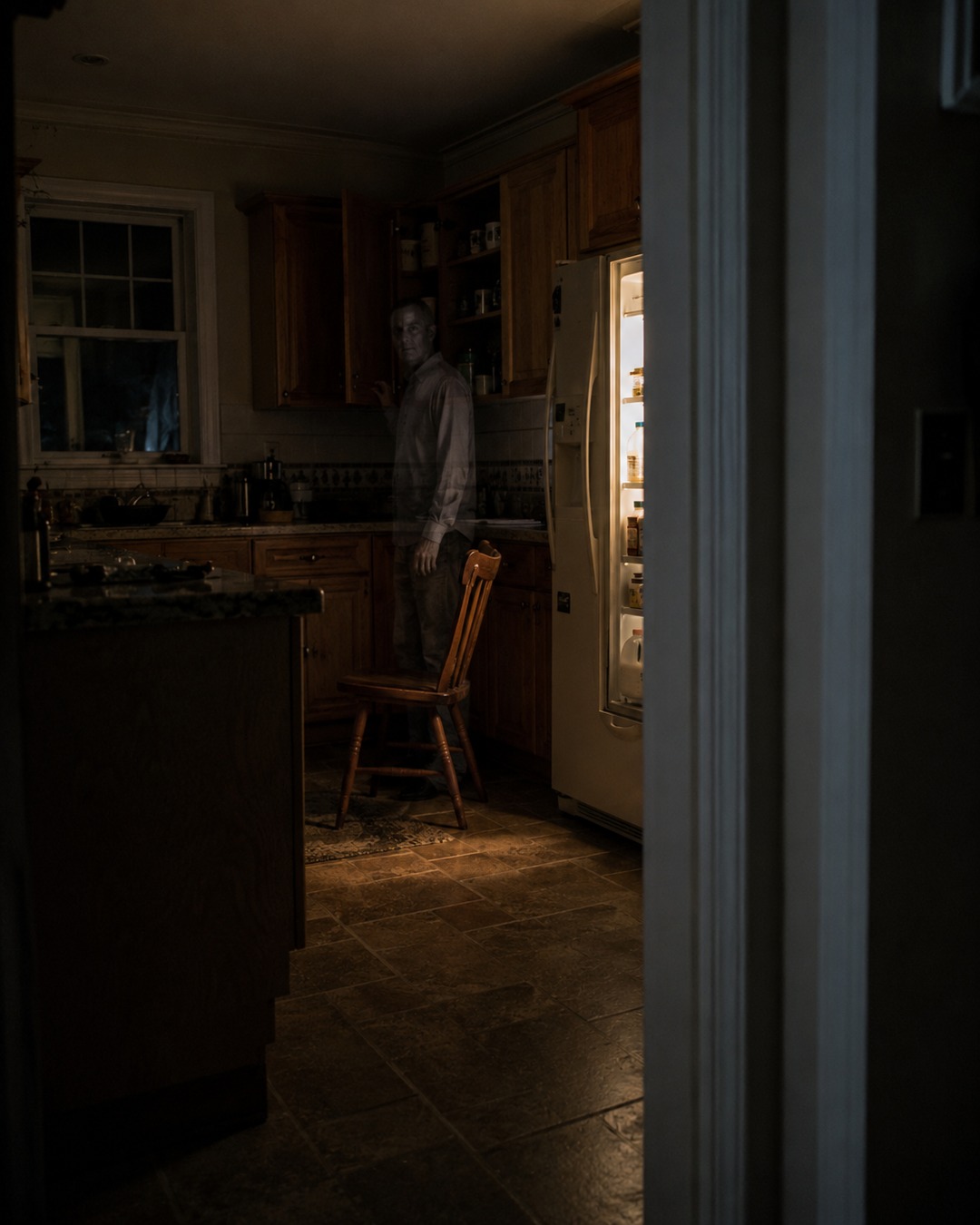
Illustrative reconstruction
The mirror moved first. Not much — only enough to change the angle of the hallway reflected behind it. Then the bedroom door eased open a few inches even though nobody was upstairs. A small object that had been near the center of the table was later found at the edge. By morning, the house felt less like a building and more like a witness.
Short answer
Haunted houses seem to have moving objects, doors, mirrors and strange room events because old buildings are active environments. Vibration, gravity, uneven surfaces, drafts, pressure differences, loose hinges, misaligned latches, thermal expansion, reflections, changing light, pets, rodents, human activity, expectation and memory can all make ordinary changes feel intentional. Historically, these events were often interpreted through poltergeist traditions, but a careful review starts with building physics and human perception.
Why ordinary movement feels personal
A knock is one thing. A door opening after a story has been told about the room feels different. The same event becomes more powerful when it appears timed, repeated or directed at a person. That is why haunted-house analysis should separate the movement itself from the interpretation attached to it.
Doors, hinges and latches
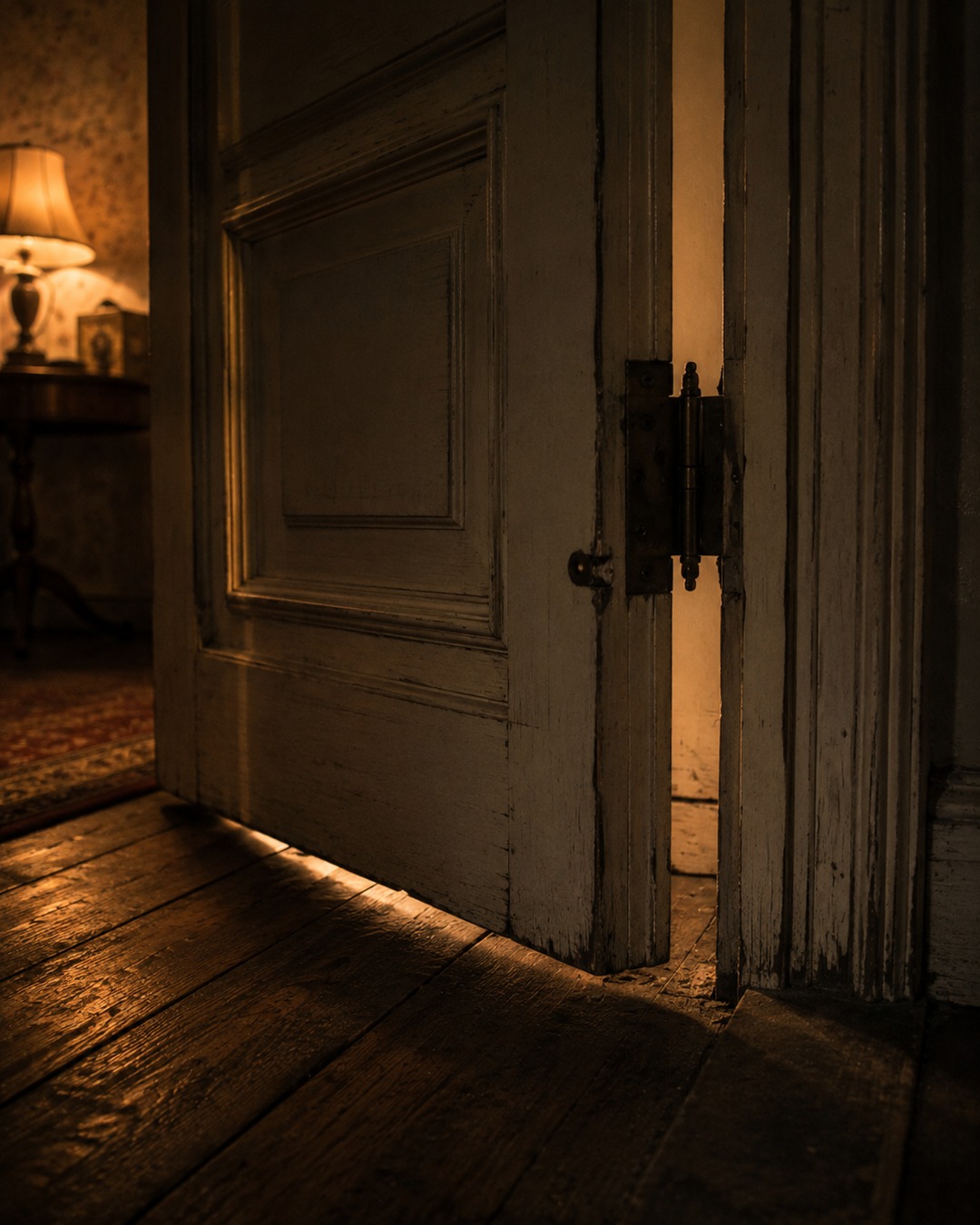
Doors move when the building shifts, the floor slopes, air pressure changes, hinges are loose or the latch does not fully seat. A door that appears “closed” may not be latched. Heating and cooling can change fit. Wind, bathroom fans, HVAC systems and open windows can create pressure differences that move a lightweight interior door.
Objects, gravity and vibration
Small objects near an edge can move because of vibration from foot traffic, appliances, trains, nearby roads or sloped surfaces. A mirror or picture frame can shift if its hook is loose or if a wall vibrates. In older houses, settling and floor movement can make small changes accumulate until the final slip seems sudden.
Mirrors, reflections and changing light
Mirrors make haunted-room events more complicated because they double the space. A person may notice a movement in reflection that came from a different part of the room. Headlights, clouds, moving branches, phones and passing people can alter reflected light. A mirror that slightly changes angle can also make a familiar room look wrong.
Memory, attention and expectation
People rarely photograph the exact position of every object before leaving a room. After a fright, the mind searches for differences. That does not mean witnesses are lying. It means a house is full of details no one tracks perfectly. Expectation can turn a forgotten action, pet movement or ordinary displacement into a pattern.
Historical poltergeist interpretation
Reports of raps, moving objects, thrown stones and disturbed rooms have long appeared in ghost and poltergeist folklore. Those traditions matter culturally because they shape what people expect a haunted house to do. But folklore does not replace checking hinges, drafts, animals, latches and people with access to the room.
How to evaluate a strange room event
Document the room before and after. Check slope, latch, hinge, airflow, HVAC timing, windows, appliance vibration, pets, pests and human access. If an object moves repeatedly, mark its starting location discreetly and record the room continuously. A useful case has repeatability, controlled observation and ordinary causes ruled out, not just surprise.
Ordinary explanations to check first
Air movement: drafts, HVAC cycles, bathroom fans, open windows, attic gaps and pressure changes can move doors, curtains and lightweight objects. Air can also make a door settle into an open or closed position if the latch is not fully engaged.
Building movement: older houses expand, contract, settle and vibrate. Temperature and humidity affect wood. Floors slope. Walls flex. Pipes, appliances and nearby traffic can transmit motion through the structure.
Access and animals: pets, rodents, insects, children, visitors, maintenance workers and ordinary human forgetfulness should be considered before a room is treated as sealed or impossible.
Doors are mechanical systems
A door is not just a slab of wood. It is a hinge, frame, latch, strike plate, floor surface and air-pressure surface. If any part is slightly off, the door can behave unpredictably. A latch that barely catches can release later. A hinge can pull the door toward its preferred resting angle. A warped frame can create the sense of resistance or release.
Mirrors make rooms feel haunted faster
Mirrors create a second version of a room. They can show motion behind the viewer, distort angles, double lights and make a small change feel like a presence. A tilted mirror can reflect a doorway that is not actually in the viewer’s line of sight. A dark mirror at night can also act more like a window, mixing reflection with shadow.
Object displacement and memory
Many strange-object reports depend on memory: “I know I left it there.” Sometimes that memory is correct. Sometimes it is reconstructed after the object is found elsewhere. The right response is not mockery; it is documentation. If an object repeatedly moves, photograph its starting point, control access, record the room and note vibration or airflow sources.
Poltergeist language and historical context
Moving objects have long been part of poltergeist narratives. The pattern is old: knocks, thrown stones, disturbed furniture, opened doors and rooms that seem to answer emotion. That history matters because modern witnesses inherit a vocabulary for interpreting movement. A door that opens in a “haunted” house carries a different meaning than the same door opening in a rental with no story attached.
How to test a room without ruining the story
Respect the witness experience, but test the room. Use painter’s tape or a discreet mark to confirm door position. Place a lightweight object on a level surface and another on the suspected surface. Check airflow with tissue or smoke from a safe source. Record for multiple nights. Note HVAC schedules, outside wind and human access. If the event stops under controlled observation, that is still useful information.
What would make a room-event case stronger?
Repeated events under controlled conditions are stronger than one surprise. Multiple camera angles are stronger than one cropped clip. A sealed room with documented access control is stronger than a room people enter all day. The best cases preserve both the eerie feeling and the boring details that make evaluation possible.
Treat The Room Like A Witness
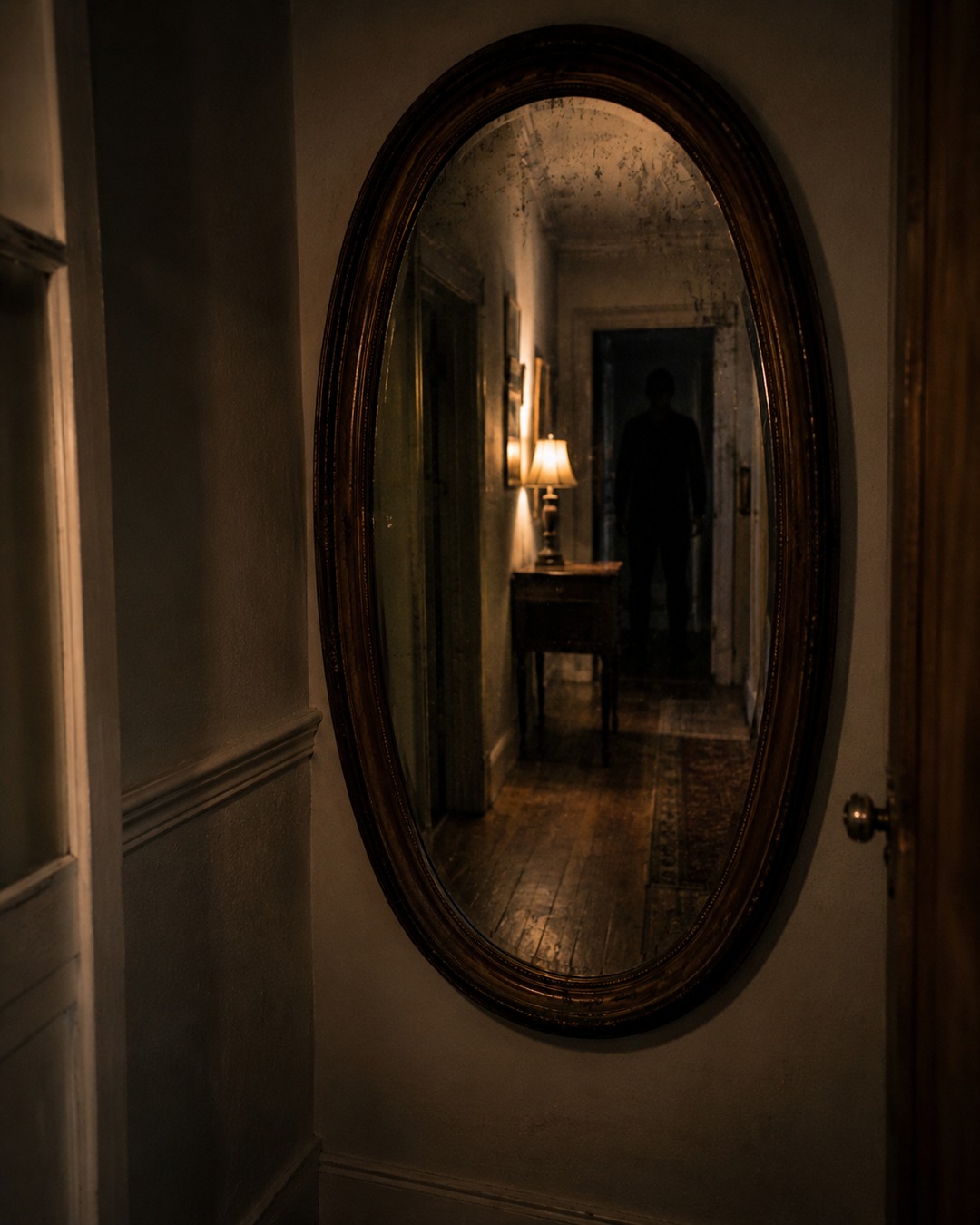
The room itself gives testimony. A sloped floor says something. A loose latch says something. A mirror angled toward a window says something. A door that opens only when the HVAC starts says something. Instead of treating those details as debunking trivia, a good investigation treats them as the first witnesses to interview.
This preserves the atmosphere without lowering the standard. The house can still feel uncanny. The story can still matter. But the page teaches readers how to distinguish an event that merely happened in a frightening room from an event that remains difficult after the room has been understood.
Separating object movement from cold spots and electrical anomalies
Many haunted-house reports combine several experiences: a door opens, a room feels cold, a light flickers and a mirror looks wrong. This page focuses on object, door, mirror and room-event mechanics. Cold spots deserve their own building-science and folklore discussion. Electrical anomalies deserve their own treatment because wiring, bulbs, switches, appliances and power quality introduce different explanations.
Keeping the topics separate makes the site stronger. A reader asking why a door opened should not be forced through a long section on EMF meters. A reader asking why lights flicker deserves a separate electrical-anomaly article rather than a furniture-moving article. The architecture should match the reader’s question.
When an event becomes worth investigating further
A strange room event becomes more interesting when it repeats under observation, when the room is controlled, when ordinary access is documented, and when several possible mechanical causes have been checked. A door opening once in an old house is common. A door opening repeatedly only when a specific condition is present may reveal pressure or latch behavior. A door opening repeatedly after controls have ruled out those causes becomes a better mystery.
The best haunted-house writing keeps both possibilities alive long enough to investigate: the house may be mechanically active, and the witness may be responding to a pattern that deserves careful attention.
A practical room-event checklist
Before calling a room event paranormal, check whether the door was latched, whether the floor slopes, whether a window or fan changed air pressure, whether pets had access, whether a mirror reflects a hidden light source, whether nearby appliances create vibration, whether shelves are level, and whether another person entered the room. Then document the event again under controlled conditions.
The point is not to drain the story of atmosphere. It is to identify which part of the story is actually mysterious. If a loose latch explains the door, the haunting claim should not depend on that door. If the event survives better documentation, the story becomes more interesting rather than less.
Mirrors, Small Movements And Night Rooms
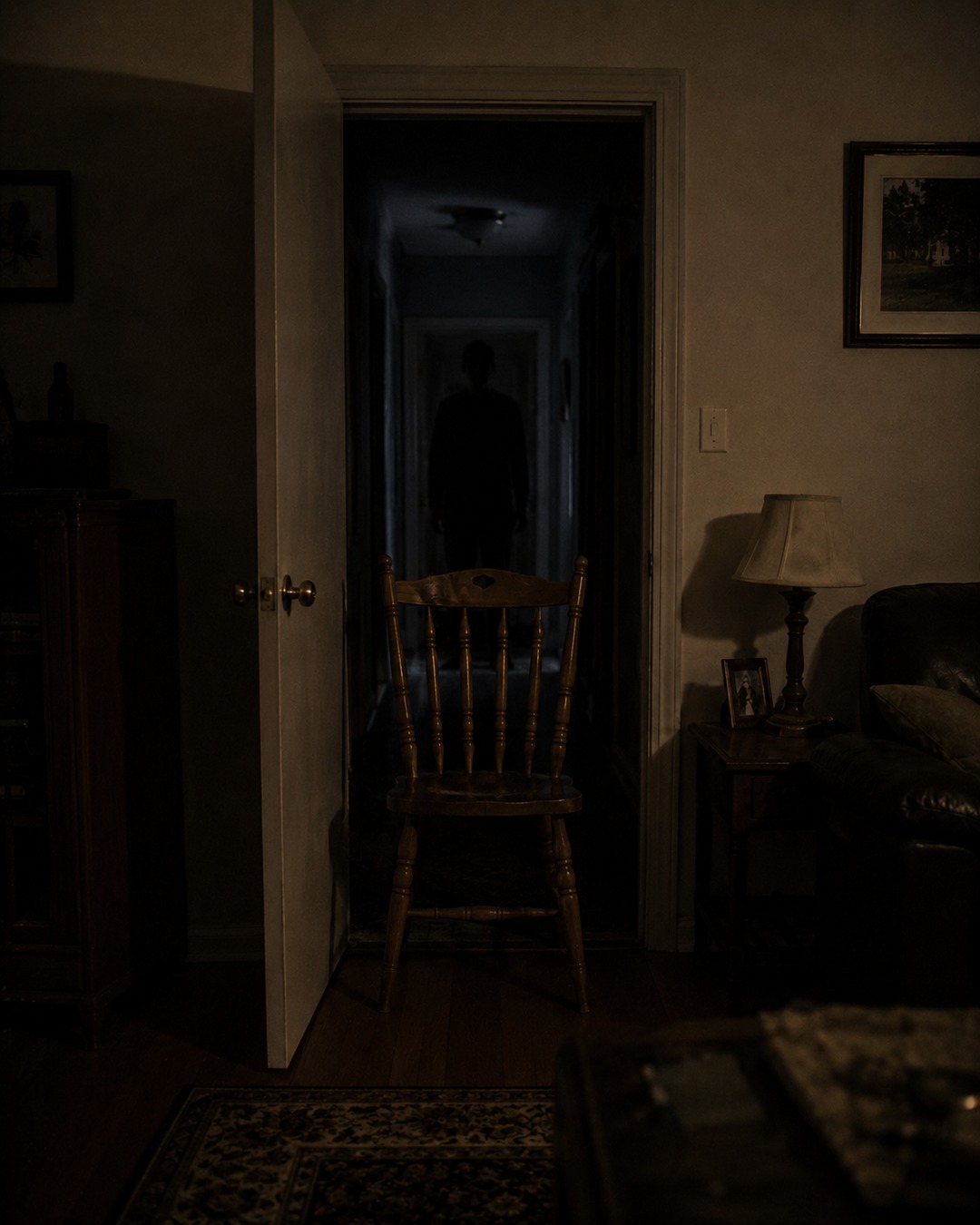
Mirrors become especially strange in hallways, bathrooms and bedrooms because weak light removes the detail people rely on to recognize faces and room depth. A reflected doorway may look deeper than it is. A coat, shadow or dark gap can be completed by the brain into a human shape. When illumination changes, a reflection can seem delayed, distorted or occupied even when the room itself has not changed.
Mirror reports are stronger when the observer records reference points: where the light was, what objects were reflected behind them, whether the mirror faced a doorway or window, whether the glass was warped or angled, and whether the same effect appears when the lights are changed. A mirror can be part of a haunted-room report, but the first review should still separate reflection, low-light perception and actual object movement.
Moved-object reports also need a distinction between an object falling, sliding and appearing relocated. A glass at the edge of a counter has different evidentiary value from a glass found upright across the room. Useful checks include surface slope, vibration, pets, air movement, moisture, memory of the original location and whether the event can be recreated by closing doors, starting appliances or walking across the floor.
Bathrooms and closets add their own ordinary causes. A light shower curtain can move strongly when exhaust fans, HVAC, open windows, pressure changes or the stack effect pull air through a small room. Closet doors can drift because of latch alignment, loose hinges, shifting frames, uneven floors, humidity or air pressure. At night, even a narrow dark closet gap can feel like a presence because it creates a deep shape inside an otherwise familiar room.
Rocking chairs remain powerful haunting symbols because they are built to keep moving after a small push. Runner geometry, uneven floors, vibration from nearby traffic or appliances, floor flex and residual motion can all make the movement feel intentional. The cultural association matters too: an empty chair that moves suggests an absent person more directly than most other household objects.
Basement doors deserve similar caution. Heavy doors, old latches, pressure differences, humidity-swollen frames, stairwell airflow and uneven thresholds can all change how a door sits or swings. Because basement stairs create a dark vertical space beyond the door, a small opening can feel more significant than the same movement in a bright room.
What we can and cannot say
We can say old buildings and human perception explain many moving-object reports. We can also say these reports are central to haunted-house folklore. We cannot say a moved object proves a spirit. The better question is whether the event remains unusual after the room itself has been treated as a physical system.
Closet Doors And Night Hardware Events
Closet-door stories often feel personal because the movement happens in a bedroom or hallway where a small change is easy to notice. But doors can shift because of latch wear, uneven floors, air pressure, HVAC cycles, vibration, humidity changes, loose hinges or a door that was never fully closed. At night, a minor mechanical movement may seem more deliberate because the house is quiet.
A useful account records whether the latch caught, whether the floor slopes, whether nearby windows or vents were open, whether the same door moves in daytime, and whether the hardware can reproduce the motion. The question is not only whether the door moved, but whether the movement has a physical path that can be tested.
Sources & Further Reading
- ENERGY STAR — Seal and insulate
- ENERGY STAR — Heating and cooling basics
- EPA — Improving indoor air quality
- EPA — The Inside Story: A Guide to Indoor Air Quality