Documented-culture opening
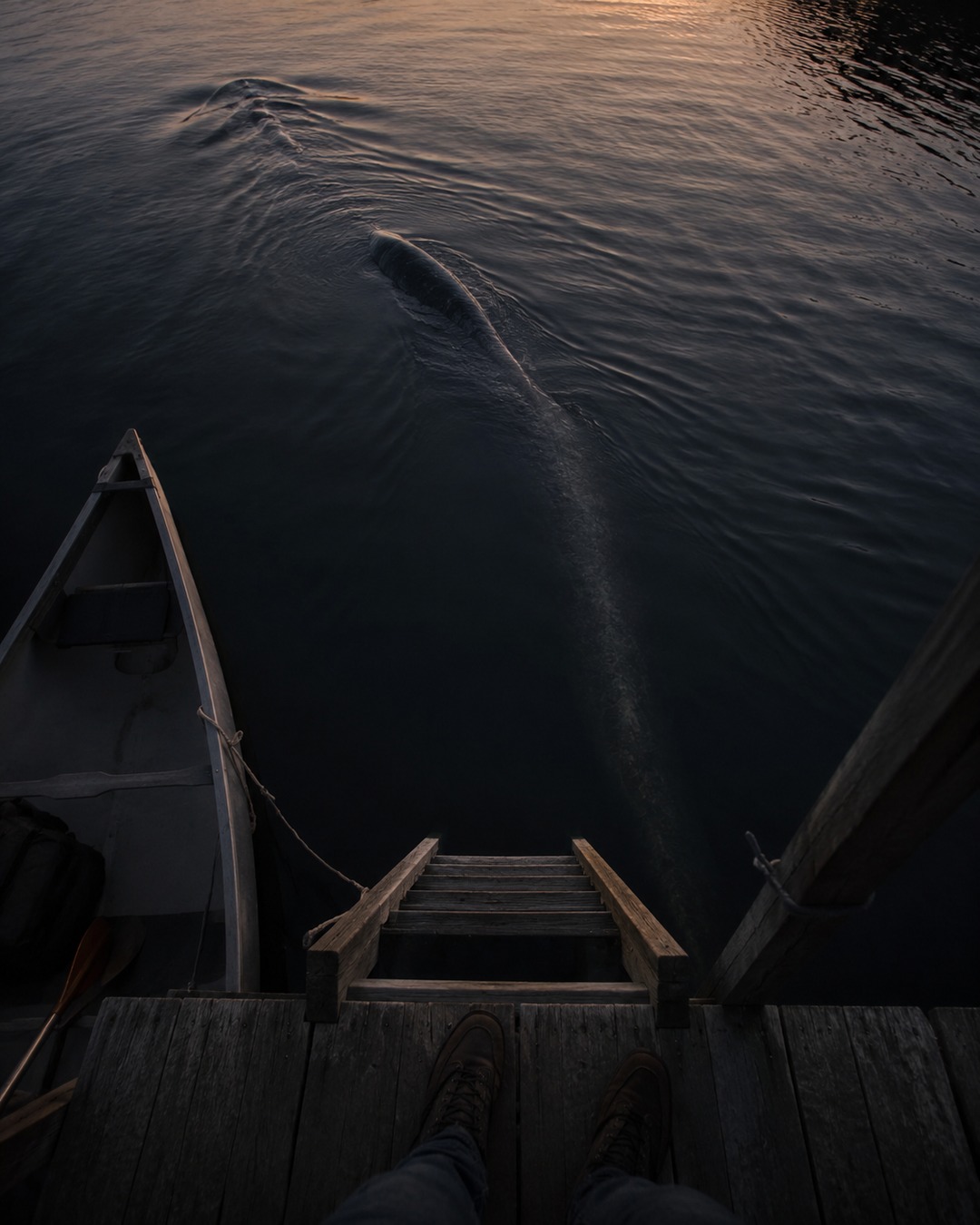
A dark shape crosses the lake at dusk. It is too far away to identify, too low in the water to judge, and too slow to be a wave — until it speeds up, or seems to. Someone on shore reaches for a phone. By the time the camera opens, the shape has become a wake, a log, a bird, a ripple, or a story. Lake monsters survive in the gap between water, distance and imagination.
Short answer
Lake monster stories appear around the world because large bodies of water create uncertainty. Low viewing angles distort size. Wind makes waves and wakes. Logs, swimming mammals, fish, birds and debris can look animate at a distance. Poor visibility hides ordinary detail. Folklore, tourism and media help repeat the pattern. None of that means every witness is insincere. It means lakes are ideal places for ambiguous sightings to become local tradition.
Why lakes create mystery
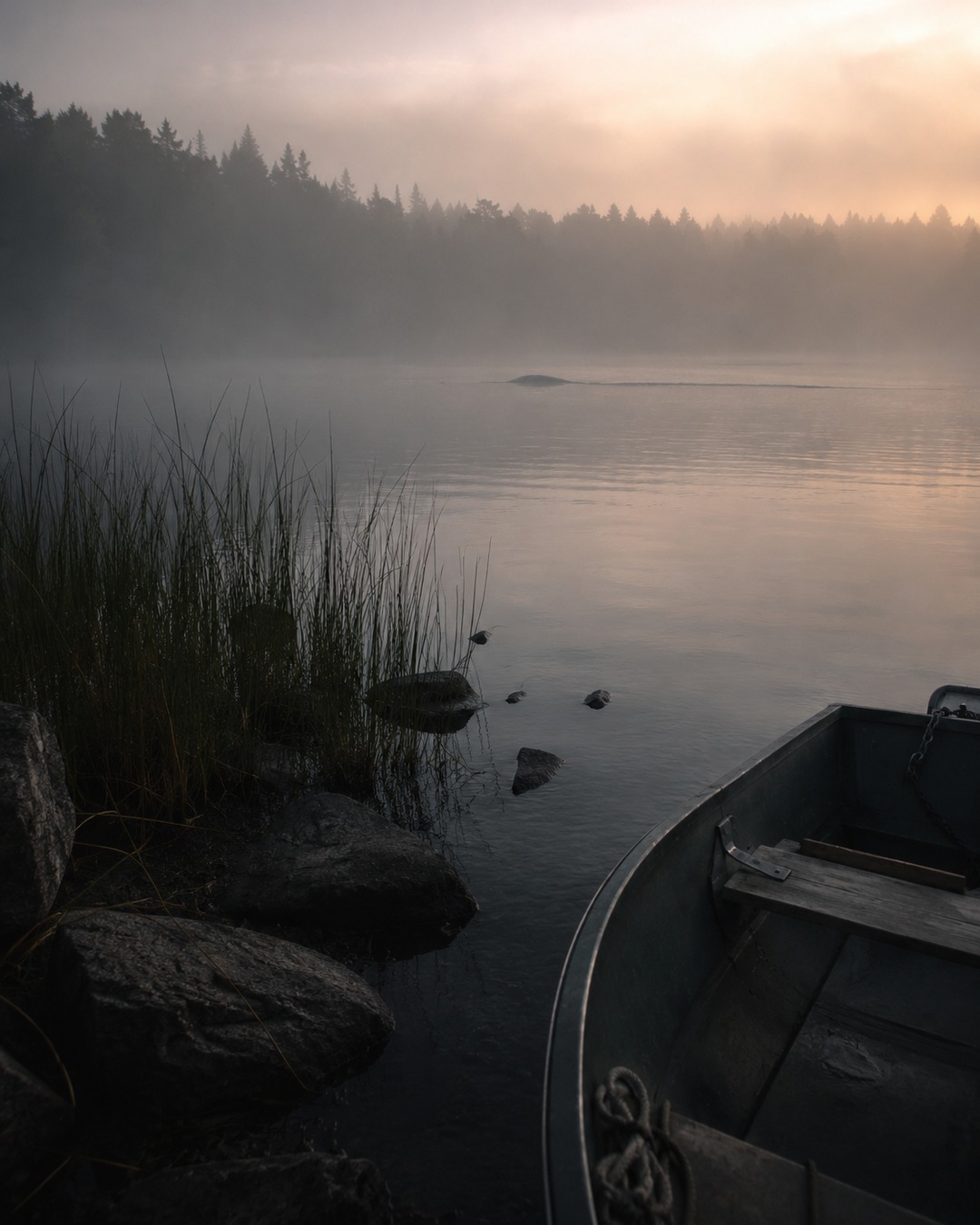
Water removes many of the cues people use on land. There may be no nearby object for scale. A small animal close to the viewer and a larger object far away can seem similar. Waves break outlines. Mist hides distance. A long dark log can roll, dip and reappear. A line of birds can look like humps. A seal, otter, beaver or large fish can create a wake that looks larger than its body.
Recurring traditions and famous examples
Loch Ness is the best-known modern lake-monster tradition, but it is not unique. Many regions have water-creature legends connected to deep lakes, dangerous crossings, unusual fish, drowned places or local tourism. The persistence of those stories tells us something about culture as well as observation: once a lake has a monster tradition, ambiguous sightings are easier to place inside it.
Ordinary explanations that deserve checking first
Investigators should consider wakes, floating logs, swimming mammals, birds, fish, boats, reflected waves, wind lines, submerged debris, mirage-like visibility effects and low-angle viewing. Weather matters. Water clarity matters. So does the witness position. A calm lake at sunset can make a small disturbance look intentional because everything around it is still.
Why size is so hard to judge over water
People often estimate size by comparing an object with nearby familiar things. On open water those references may be absent. A wake may outsize the animal making it. A distant bird line may seem attached. A log that bobs in sections can look like multiple humps. If the witness cannot provide range, angle, duration and comparison objects, size estimates should be treated cautiously.
What evidence would be needed?
An unknown large animal population would require more than one dramatic glimpse. Strong evidence would include repeated high-quality imagery, environmental DNA or biological traces, sonar or acoustic data interpreted by qualified experts, carcass or tissue evidence, and a plausible breeding population. A single photo of a wake or dark back is not enough.
Ordinary explanations that deserve checking first
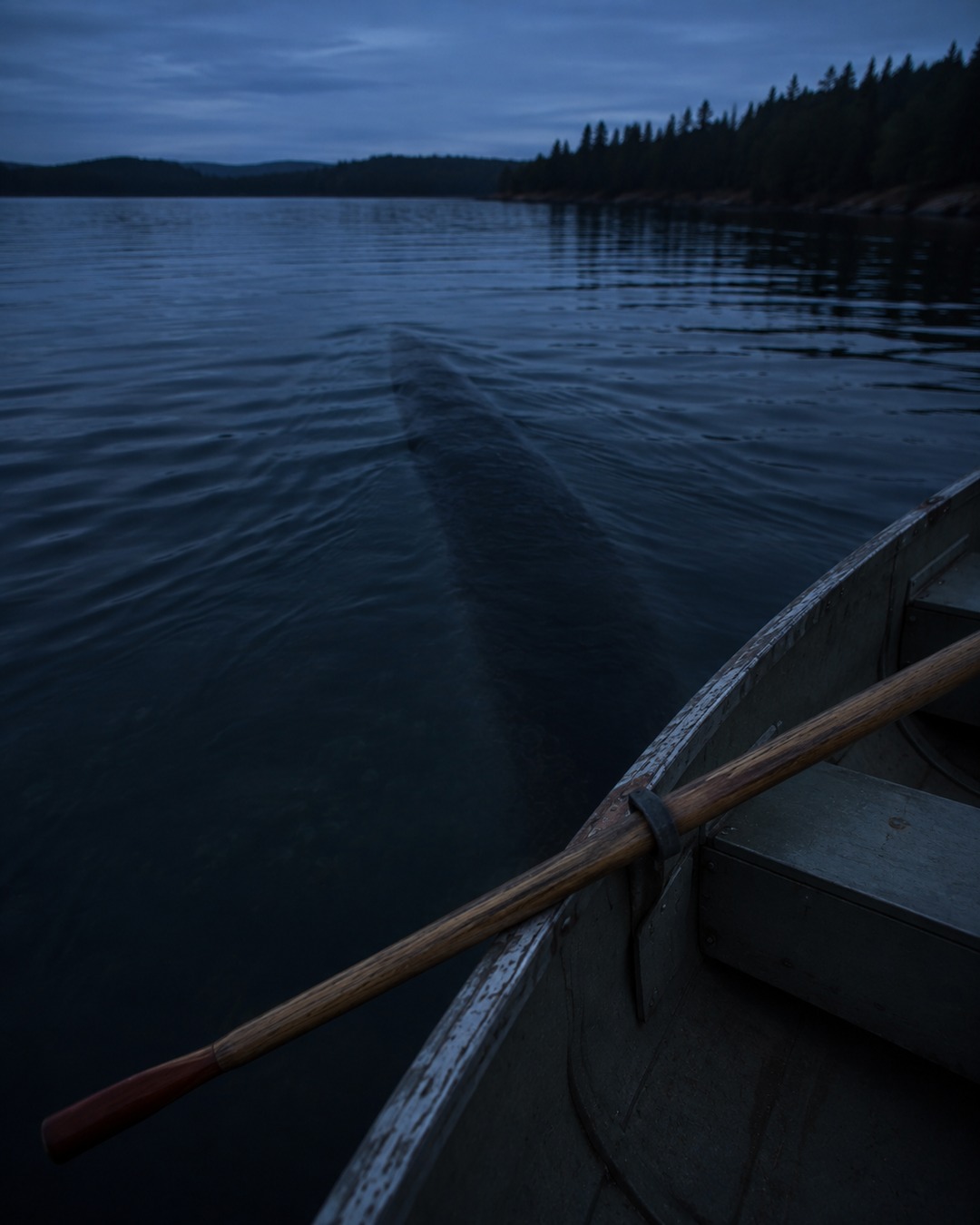
Wakes and waves: wind, boats, currents and shoreline reflections can produce lines that look like a moving back. A wake can continue after the boat or animal that made it is out of sight.
Logs and debris: floating wood can roll, rise, sink and reappear. From shore, a wet log can look like a neck, back or hump, especially at dusk.
Animals: swimming mammals, birds, large fish and groups of animals can produce shapes larger than the visible body. A line of birds can become a “serpent” when seen low over water.
Visibility: haze, mist, glare, rain and low viewing angles remove scale. The viewer sees motion and darkness before identity.
Folklore spreads through useful ambiguity
Lake monster traditions often begin with ambiguous experiences that are easy to retell: a shape crossed the water, a wake moved against the wind, something surfaced and vanished. The story grows because it fits the lake. Deep water feels like it could hide something. Local names, old accounts, tourism and media give future witnesses a framework for what they think they saw.
Famous monsters and local identity
Loch Ness is the most famous example, but the pattern is wider than one Scottish lake. Communities around large lakes often develop creature stories that blend observation, folklore, pride and economic attention. A lake monster can become a mascot, warning, mystery and tourism symbol at once. That does not make every sighting fake; it means the culture around the lake changes how sightings are interpreted.
Zoology and population problems
A large unknown animal is not just a shape. It would need food, habitat, breeding population, genetic continuity and physical traces. One surviving animal cannot maintain a species. A population of large animals should eventually leave clearer evidence: carcasses, bones, tissue, repeated reliable sightings, environmental DNA or other biological signals. That is why monster reports are usually stronger as folklore and perception studies than as zoological claims.
How to document a lake sighting
Record the time, exact location, direction faced, weather, wind, distance estimate, duration, water conditions, boat traffic and the object’s path relative to fixed shoreline points. If filming, include shore, trees, docks or boats for scale. Do not zoom so tightly that the object loses context. If the shape disappears, keep recording the water after it vanishes.
What would make evidence more interesting?
Multiple independent videos from different shore positions would help. So would sonar data interpreted by qualified people, environmental sampling, repeated sightings under similar conditions, biological traces and a plausible ecological explanation. A dark shape alone remains interesting folklore, not proof.
Lake Monsters Are A Perfect Uncertainty Engine
A lake monster story usually has three ingredients: a visual ambiguity, a local tradition and a viewing condition that prevents closure. The witness sees something real or apparently real. The lake already has a language for strange shapes. The distance, glare, waves or mist prevents a clean answer. That combination is powerful because it leaves enough detail to retell and enough uncertainty to survive correction.
This is why the same basic story can appear in many places without requiring the same animal in every lake. The environment produces similar puzzles. Culture gives those puzzles memorable names. The result is a tradition that can be both meaningful folklore and weak zoological evidence at the same time.
Why lakes invite creatures more than ponds or rivers
Large lakes feel deep enough to hide a secret and bounded enough to belong to a community. A river carries things away. The open ocean is too vast. A lake sits in one place, gathers names, receives repeated witnesses and becomes part of local identity. That is why a shape seen once can become “the thing in the lake” rather than just an unidentified animal.
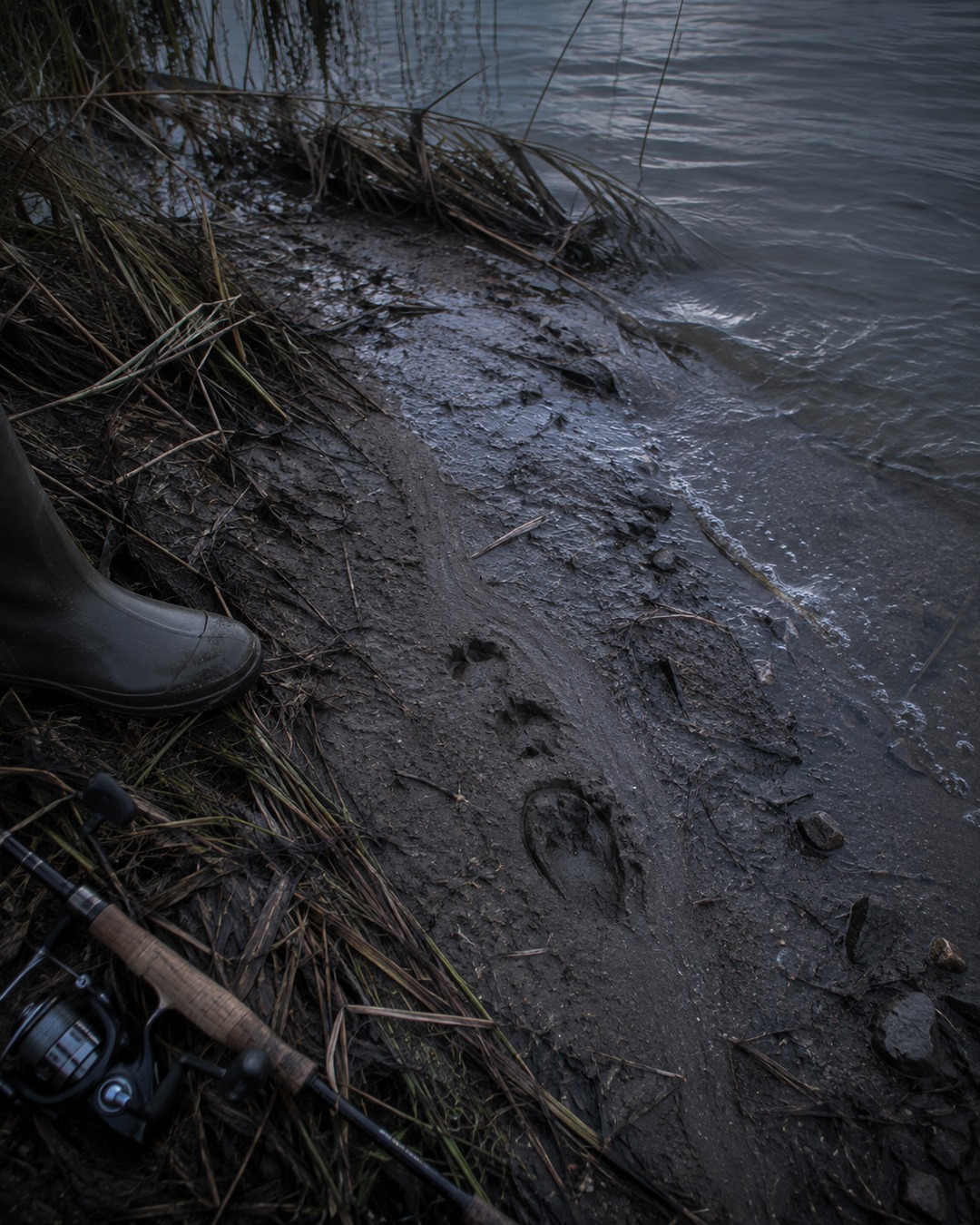
Depth charts, old drowning stories, ferry routes, fishing traditions and tourism all add layers. A monster tradition can preserve warnings about dangerous water, pride in a local mystery, or simple entertainment. The same tradition can also make later ambiguous sightings easier to interpret as creature reports.
Environmental DNA and modern evidence standards
Modern claims about unknown aquatic animals increasingly face modern evidence expectations. Environmental DNA can sometimes detect species from genetic traces in water, but it requires careful sampling and interpretation. Sonar can show large objects, but sonar images need expertise and can be misread. Photographs and videos still matter, but they are strongest when paired with location, weather, distance, scale and repeated observation.
A responsible lake-monster guide does not need to kill the wonder. It simply asks what kind of evidence would match the biological claim. If the claim is a local legend, folklore evidence may be enough. If the claim is an unknown breeding population, biological evidence becomes necessary.
Why witnesses should not be treated as the problem
Lake-monster witnesses are often doing a difficult task under poor conditions: identifying a partial object at distance across moving water. A person can be careful, observant and sincere while still misjudging scale or species. Dismissing witnesses as gullible misses the more useful question: what does water do to perception?
That is also why lake monsters remain good Weird Witnessed material. They are spooky, culturally rich and visually powerful, but they also allow serious discussion of waves, glare, wildlife, distance, folklore and evidence standards. The result can be creepy enough to click and useful enough to read.
What we can and cannot say
We can say lake-monster traditions are culturally durable and that water produces genuine visual ambiguity. We cannot say a distant shape establishes an unknown animal. The best Weird Witnessed approach is to respect the story while asking what the lake itself can do to perception.
Related: For practical sighting evaluation, see Lake Monster Sightings: Waves, Animals, Distance And Water Evidence.
Sources & Further Reading
- NOAA Ocean Service — How waves form
- NOAA Ocean Service — Ocean currents tutorial
- NOAA Ocean Service — What is glare?
- NPS — Ocean and coastal observation context