The old farmhouse had been empty since late afternoon. The family had driven into town, locked the front door, and expected to return after dark. Nothing unusual had happened before they left. The windows were shut. The fireplace was cold. Every room looked exactly as it had that morning.
When they came back, the first thing they noticed was the sound. Not footsteps. Not voices. Just the slow creak of a wooden rocking chair somewhere inside the house. The rhythm was steady. Forward. Back. Forward. Back.
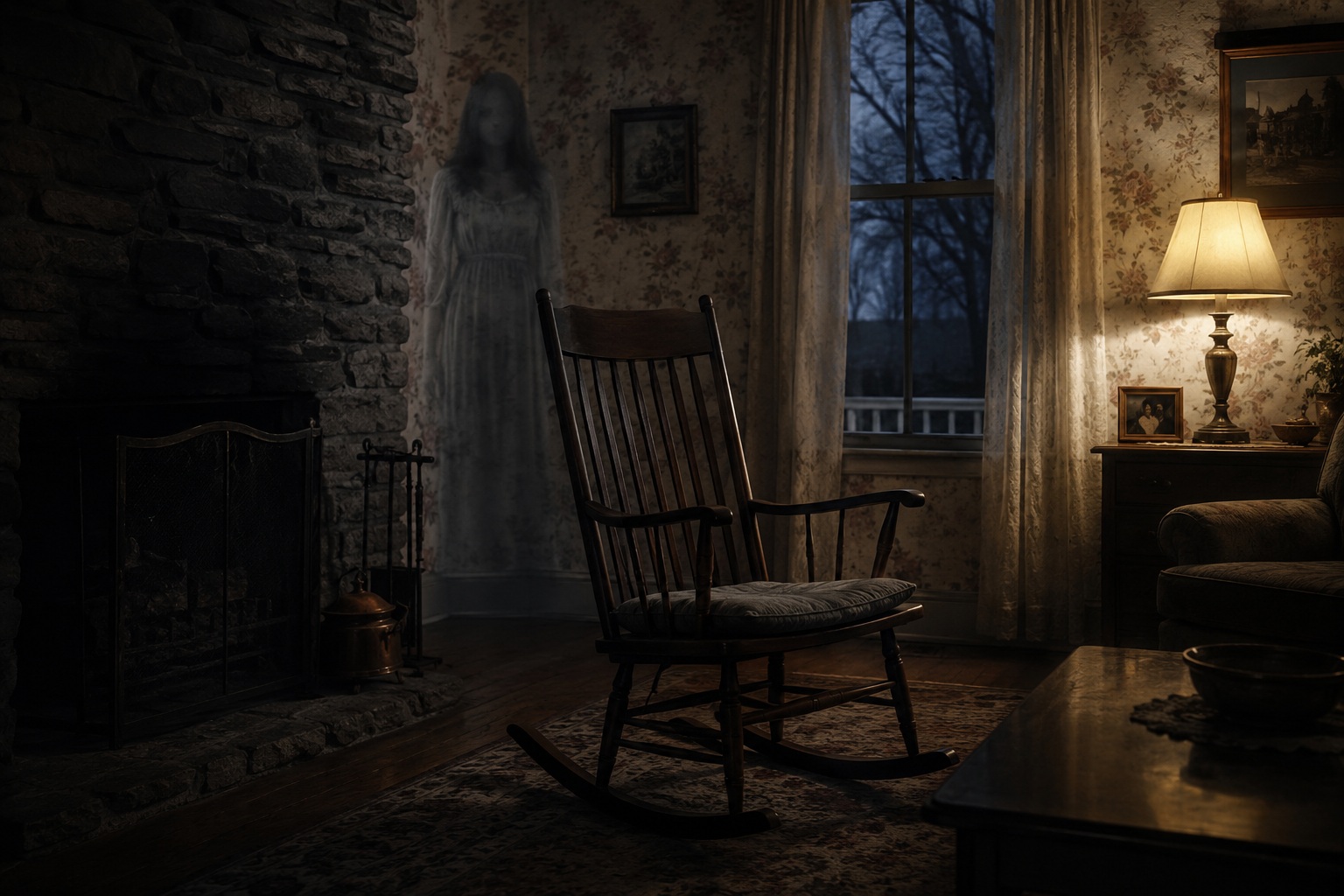
One family member called out, expecting to find someone joking around. Nobody answered. They walked into the living room together. The chair beside the cold fireplace was moving by itself. It was not rocking wildly. It looked almost gentle, as though someone invisible had only just stood up after sitting there for a long time.
Then one person noticed something stranger. Behind the chair, where the wallpaper met the dark hallway, stood the faint shape of a woman with no clear face. She looked almost transparent, her dress fading into the wall behind her. She was completely still. The rocking stopped.
The Creepy Example People Recognize
The woman was gone. Stories like this have appeared for generations, and they all raise the same question. Why do rocking chairs appear so often in ghost stories? Is there something about the chair itself, or is it simply one of the easiest ordinary objects to turn into something deeply unsettling?
Why rocking chairs already feel strangely alive A normal chair stays exactly where you leave it. A rocking chair never feels quite as still. Its curved runners are designed to keep moving after the smallest push. That tiny bit of motion makes people pay attention in ways they rarely do with ordinary furniture.
When someone enters a quiet room and sees a rocking chair gently moving, the brain immediately starts looking for a reason. Who pushed it? When did it start? Why is it still moving?
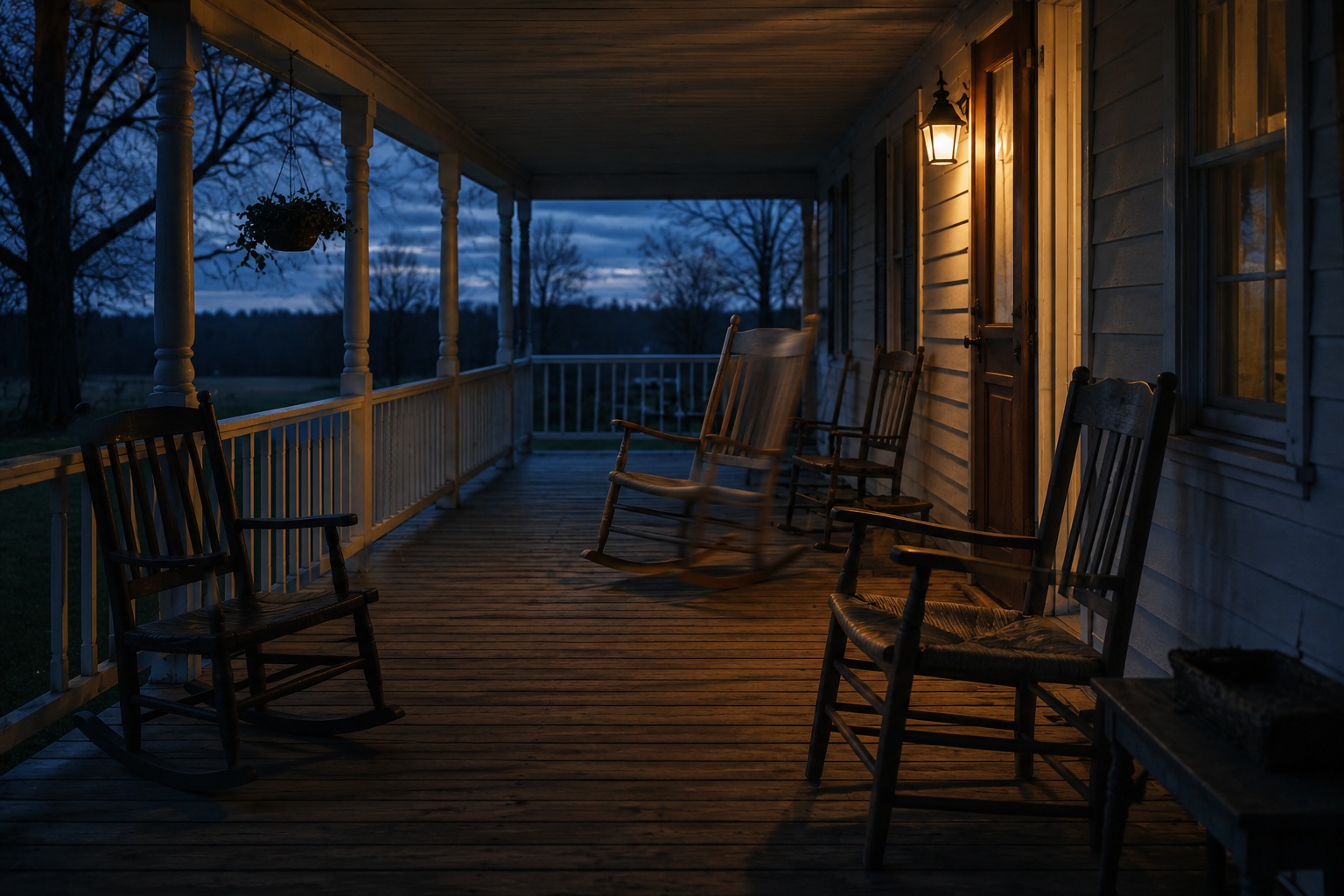
That simple question creates tension before anything supernatural even enters the picture. Ghost stories often begin with everyday objects acting almost normally. A door stands half open. A lamp switches on.
A curtain moves. The rocking chair fits perfectly because it does not need impossible movement to become frightening. Even a slow, natural motion can feel completely wrong when nobody should be there. That makes it one of the most memorable objects in horror stories and local legends.
Why This Pattern Feels Personal
Why ghost stories often place someone beside the chair Interestingly, many stories are not really about the chair. They are about the person connected to it. Witnesses often describe an elderly woman knitting.
A faceless man looking toward the fireplace. A transparent child quietly rocking. Someone sitting with their back turned. The chair becomes a place where the figure belongs.
Unlike ghosts standing in random hallways, someone sitting in a chair feels strangely ordinary. That ordinary detail makes the impossible part stand out even more. Many stories include one simple wrong detail. The face is blurred.
The body slowly fades into the chair. One arm disappears through the wooden armrest. The person's feet never touch the floor. The chair rocks even after the figure vanishes.
The Detail That Makes People Stop
Those are the details people remember years later because everything else seems completely normal. Instead of dramatic monsters, the scene looks almost peaceful until one impossible detail breaks it. The sound may be even scarier than the movement People often say they hear the chair before they see it.
Wood rubbing against wooden floors creates a slow creaking rhythm that most people recognize instantly. It is not loud. It repeats. That repetition becomes unsettling because it sounds deliberate.
Many witness stories begin with someone lying awake at night listening to a chair rocking somewhere downstairs. They assume another family member cannot sleep. Only later do they discover everyone else has been asleep the entire time. Others hear the sound in empty nursing homes, old churches, abandoned farmhouses, or historic houses open to visitors during the day.
When they investigate, they sometimes find the chair perfectly still. Other times they find it gently moving. That uncertainty makes the stories memorable. Unlike a loud crash that ends quickly, the slow rhythm gives people time to imagine someone sitting there waiting.
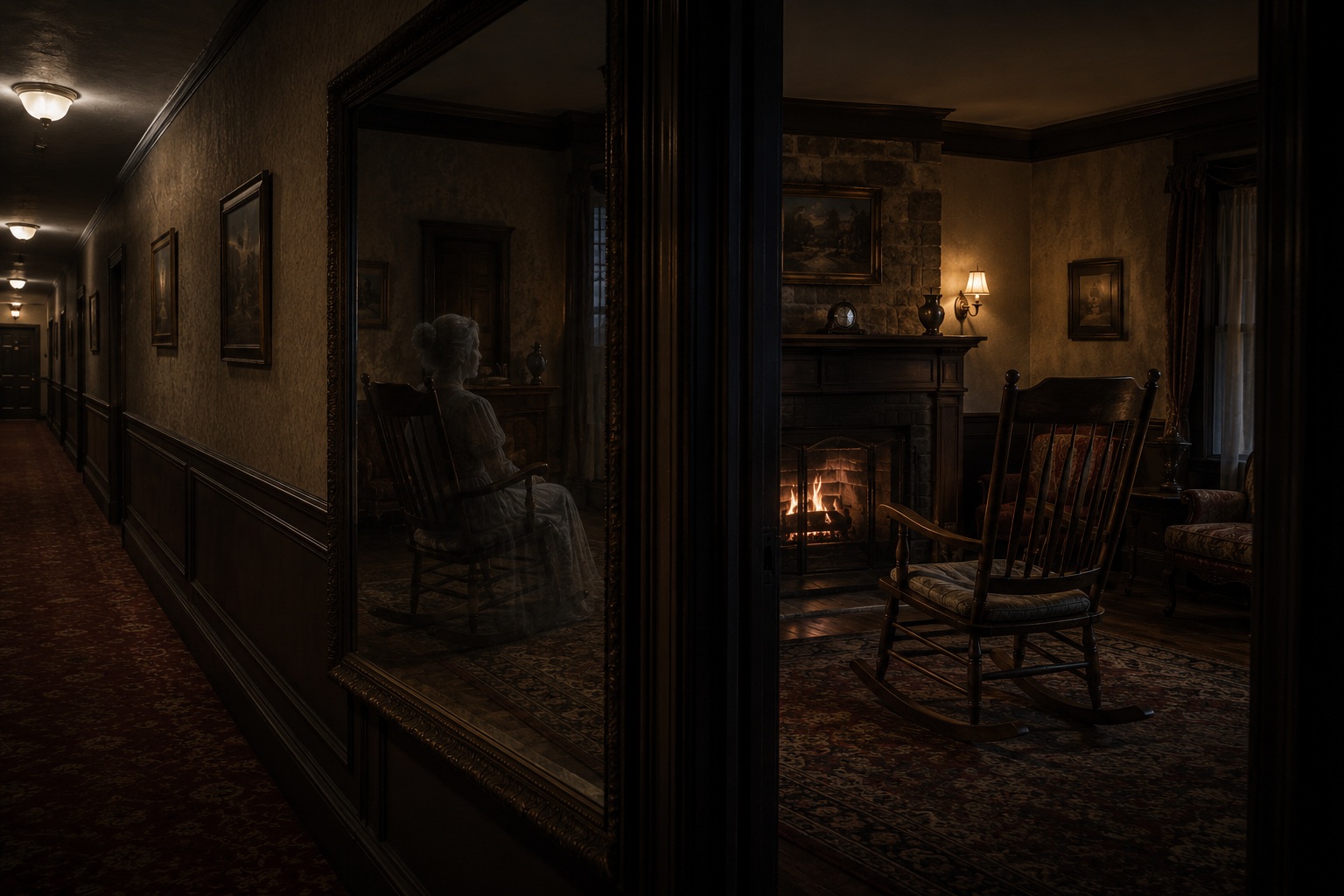
Many horror writers understand this well. A repeated creak allows fear to build gradually instead of arriving all at once. The listener starts creating pictures before seeing anything. That often becomes far scarier than showing a ghost immediately.
Ordinary Explanations People Check First
Why old houses make these stories feel believable Rocking chairs are strongly connected with older homes. Front porches. Farmhouses.
Grandparents' living rooms. Historic hotels. Old nursing homes. Places filled with memories naturally collect stories over time.
That does not mean every rocking chair has a ghost story attached to it. It means the setting already encourages people to imagine someone who once lived there. Many reported stories begin after someone inherits furniture from relatives. Others involve antique shops where customers notice one chair positioned differently each morning.
Historic houses sometimes receive visitor reports about seeing someone quietly rocking near a fireplace before disappearing when approached. Whether those experiences have ordinary explanations or not, the image stays powerful because the furniture already belongs naturally in that environment. If the same story happened with a modern office chair in a shopping mall, it would rarely create the same emotional reaction.
Why The Pattern Is Hard To Dismiss
The rocking chair carries history with it. That history becomes part of the story. What witnesses usually check first People rarely jump straight to believing something supernatural.
Most describe checking ordinary explanations first. Was a window open? Did someone recently leave the room? Could uneven flooring keep the chair moving longer than expected?
Was there airflow from a vent? Did a pet brush against it? Those are sensible questions. Many stories end there.
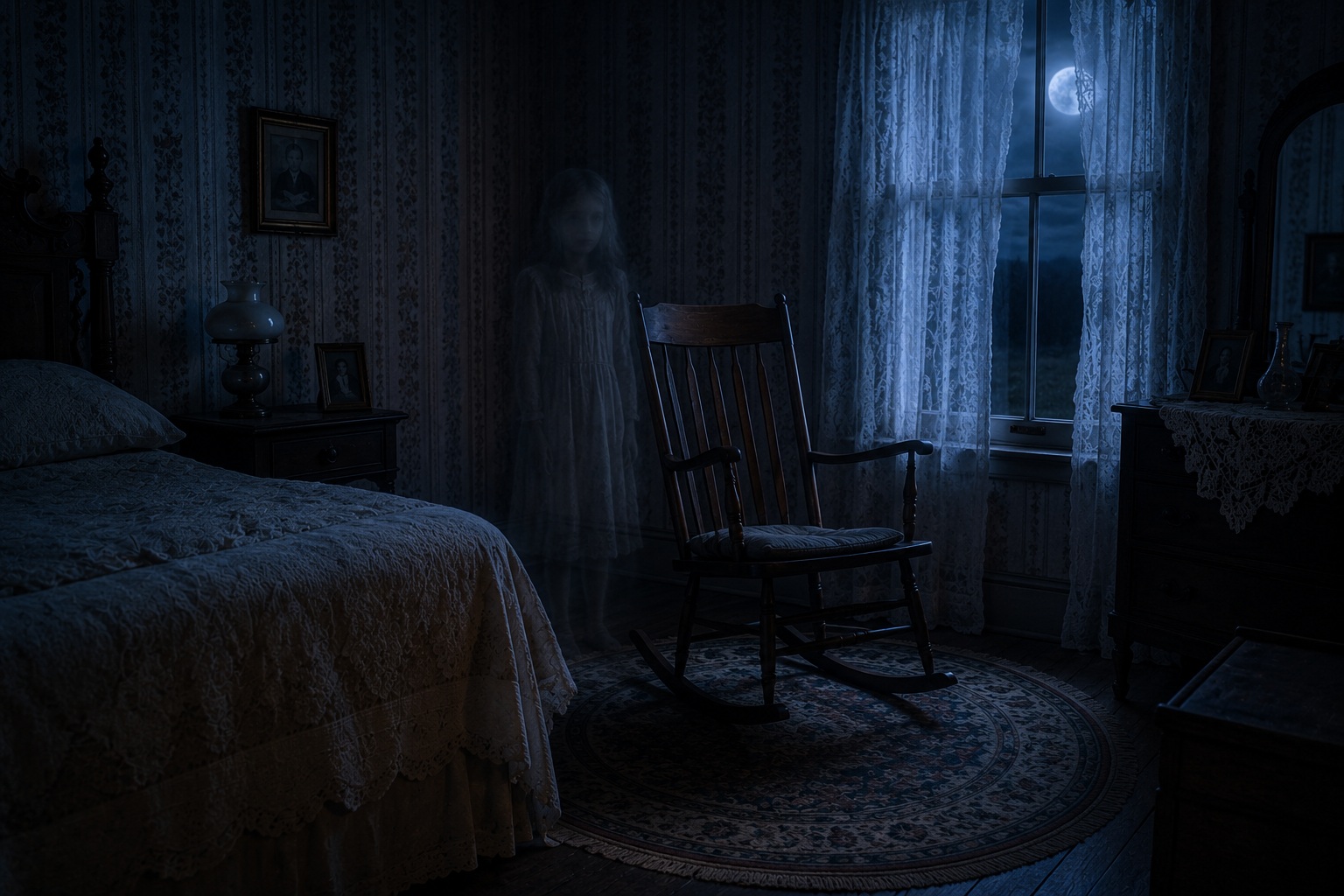
Others continue because the witness feels one important detail remained unanswered. Sometimes the chair was moving in a room with closed windows. Sometimes another person saw the same thing. Sometimes someone reported seeing a transparent figure standing beside the chair just before the movement stopped.
Why People Avoided That Spot Later
Other stories describe the chair beginning to rock only after someone mentioned the name of a deceased relative. Again, none of these details settle what happened. They simply explain why people continue sharing the story. The combination of ordinary furniture and one impossible detail creates something difficult to forget.
Why rocking chairs remain one of horror's strongest symbols Every culture develops certain images that immediately suggest ghost stories. An empty hallway. A child laughing from another room.
A mirror reflecting someone who is not there. A closed bedroom door slowly opening. The rocking chair belongs in that group because it represents quiet waiting. It suggests someone has been sitting there.
Or perhaps someone still is. Unlike sudden jump scares, the image works through stillness. The room is silent. The fire has gone out.
Dust hangs in the air. Only the chair continues its slow motion. That simple picture invites the imagination to do the rest. Many modern paranormal stories still use rocking chairs because readers instantly understand what they are supposed to notice.
Why This Pattern Keeps Coming Back
No explanation is required. One glance at an empty chair gently rocking in a silent room immediately raises questions. Who was sitting there? Why did they leave?
Or did they? Whether someone believes ghost stories or simply enjoys them as unsettling folklore, the rocking chair remains one of the most effective symbols because it transforms a familiar object into something quietly disturbing. It does not chase anyone. It does not scream.
It simply moves. Sometimes that is enough to make people stop in the doorway and wonder if they have walked into a room a few seconds too late. The image has survived for generations because it relies on something everyone understands. An ordinary chair should be empty.
When it looks as though someone invisible has only just stood up, the mind naturally starts filling the silence with its own story.