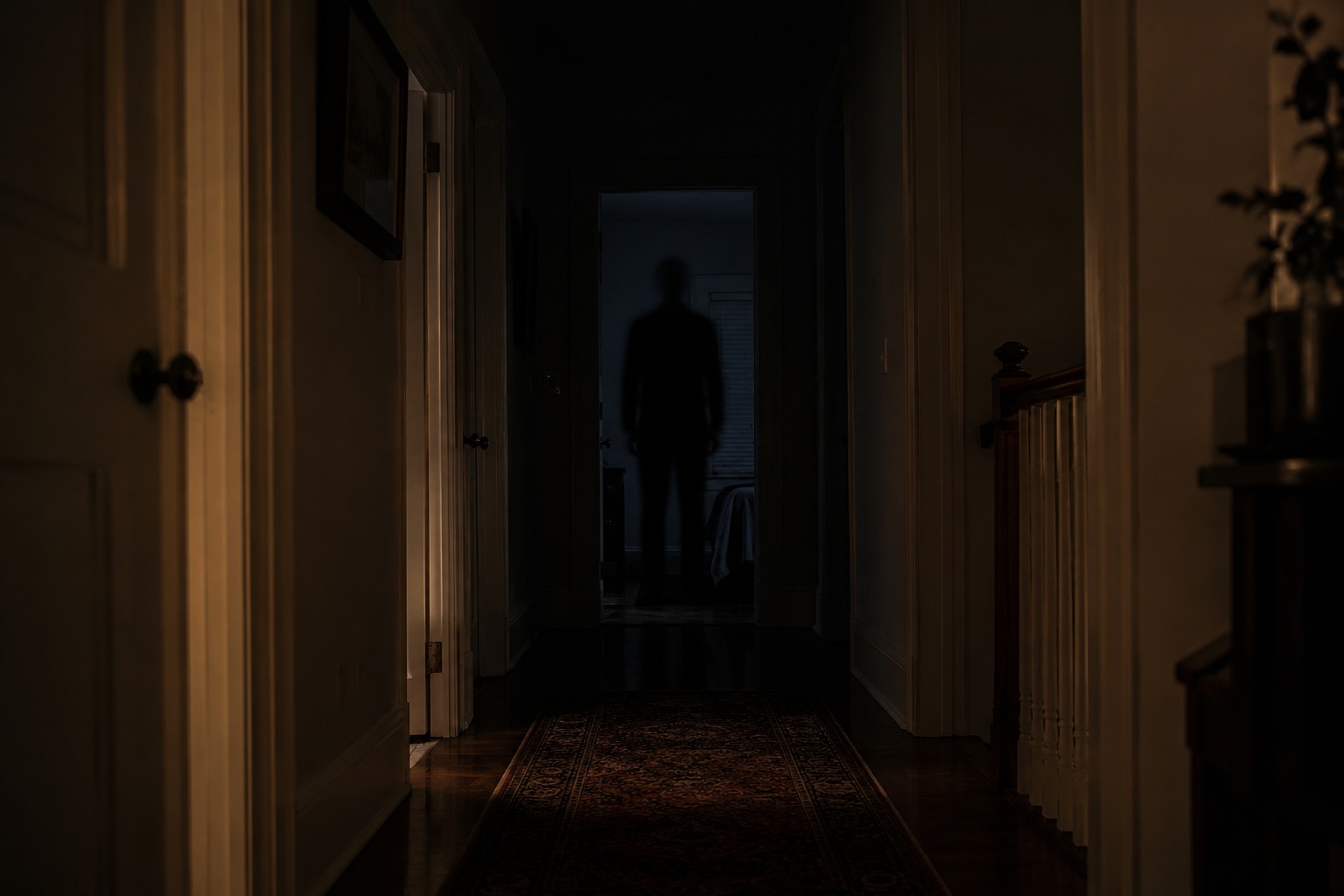
The hallway light had been left on. It was just after 2:00 a.m. when Melissa walked out of her bedroom for a glass of water. The house was silent except for the hum of the refrigerator downstairs. At the far end of the hallway, the open doorway to the spare room looked darker than usual.
Someone was standing there. Not inside the room. Not in the hallway. Directly in the doorway, as though blocking it.
The shape was tall and completely still. It looked like a person at first, but something felt wrong almost immediately. There was no face. No clothes. No movement from breathing. It was simply darker than the darkness around it. Melissa froze. After several seconds she reached for the hallway light switch beside her bedroom. The light flooded the hall.
The doorway was empty. She checked the room anyway. Nothing stood behind the door. Nothing large enough to cast a shadow. The curtains were still. Every window was locked. Yet she could not shake the feeling that whatever she had seen had been waiting there rather than passing through.
Stories like this appear again and again in paranormal discussions. Whether someone believes they saw a ghost, a trick of light, or something they cannot explain, one detail keeps returning: the figure is almost always standing in a doorway. Why do so many people describe the same place?
The Creepy Example People Recognize
Doorways
Feel Different From Every Other Part Of A Room Most people never stop to think about how often they look at doorways. Every time you enter a room, leave a room, or glance down a hallway, your eyes naturally check the opening first. A doorway marks the edge between one space and another.
During the day this feels completely ordinary. At night the same opening becomes a frame filled with darkness. If one room is lit and the next room is dark, the contrast naturally draws attention. Small differences in shadow become much easier to notice. That alone cannot explain every story.
Many witnesses insist they did not simply see a dark patch on the wall. They describe a shape with shoulders, arms, and a head. It looked like someone standing where a person could stand. The disturbing part comes afterward. Instead of walking away, the figure simply disappears.
Why
Why This Pattern Feels Personal
Witnesses Say The Figure Never Behaves Like A Person Across many reported stories, shadow figures share strange habits. They rarely wave. They rarely speak.
Most do not chase anyone. Instead they watch. Many people say the figure remains perfectly still for several seconds before fading, stepping backward into darkness, or simply no longer being there after someone looks again. Another common detail is the missing face.
Witnesses often say they could clearly recognize the outline of a person but could not make out eyes, a mouth, or any features at all. Some describe the head as blurred. Others say it seemed completely black even though nearby furniture was visible. That lack of detail is what many people remember years later.
If it had looked like an ordinary stranger, they might have assumed someone had entered the house. Instead they felt they were looking at something that only partly resembled a person.
Why Doorways Become The Center Of Paranormal Stories In ghost stories around the world, doors have always carried symbolic meaning.
The Detail That Makes People Stop
A doorway is where someone arrives. It is where someone leaves. It separates one place from another. Whether or not someone believes in ghosts, it makes sense that stories naturally place strange figures there instead of in the middle of an empty room.
The image immediately feels unsettling. Many old homes also create conditions that feed these stories. Hallways often contain uneven lighting. One room may be bright while another remains completely dark.
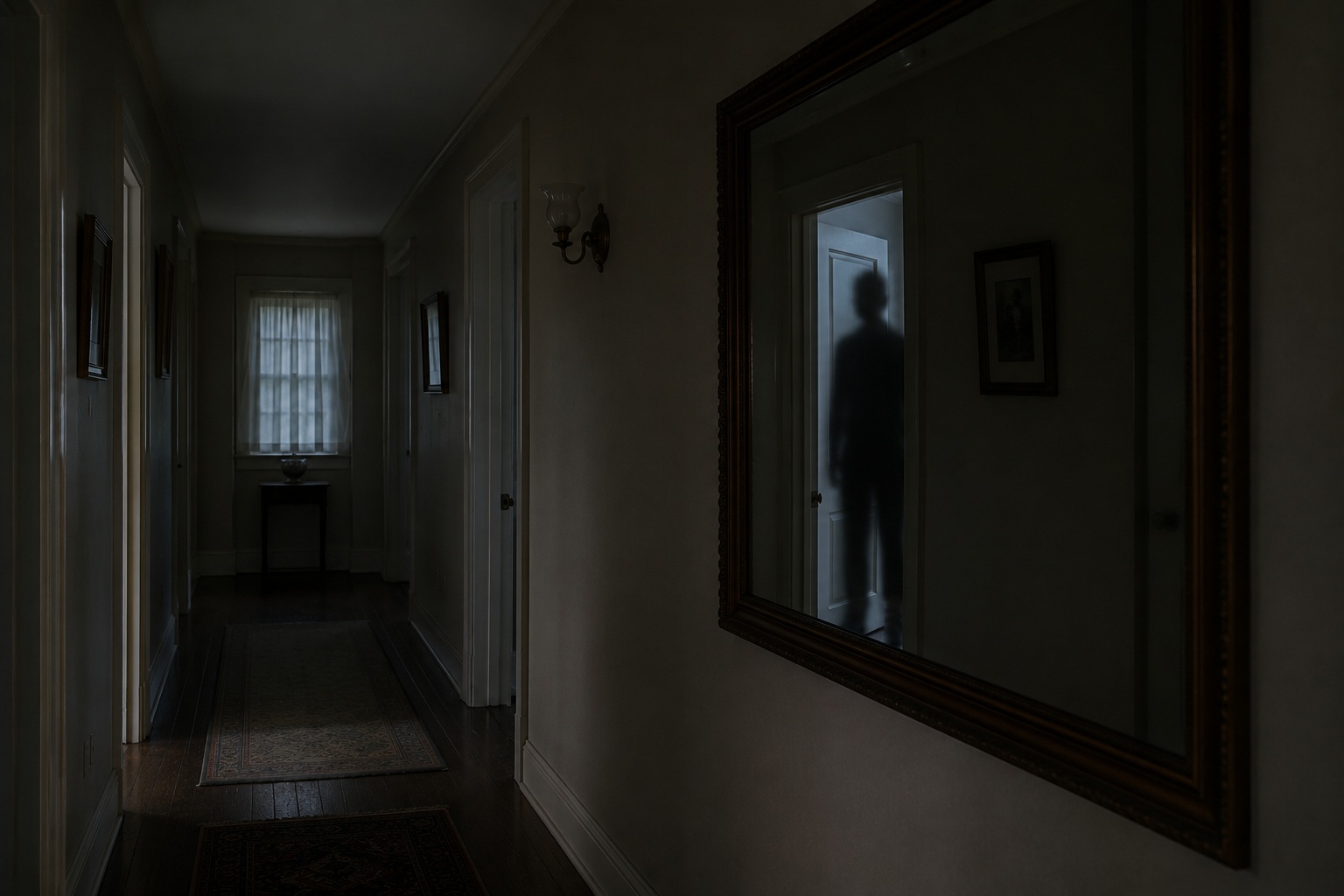
Mirrors sometimes reflect across hallways. Coats hanging behind partly open doors can briefly resemble shoulders before your eyes adjust. Even after checking everything, though, some people still insist the shape they saw was far too detailed to dismiss so easily. They remember the height.
They remember where it stood. Most of all, they remember the feeling that it was watching them.
What People Usually Check First One interesting pattern appears in many witness statements.
Ordinary Explanations People Check First
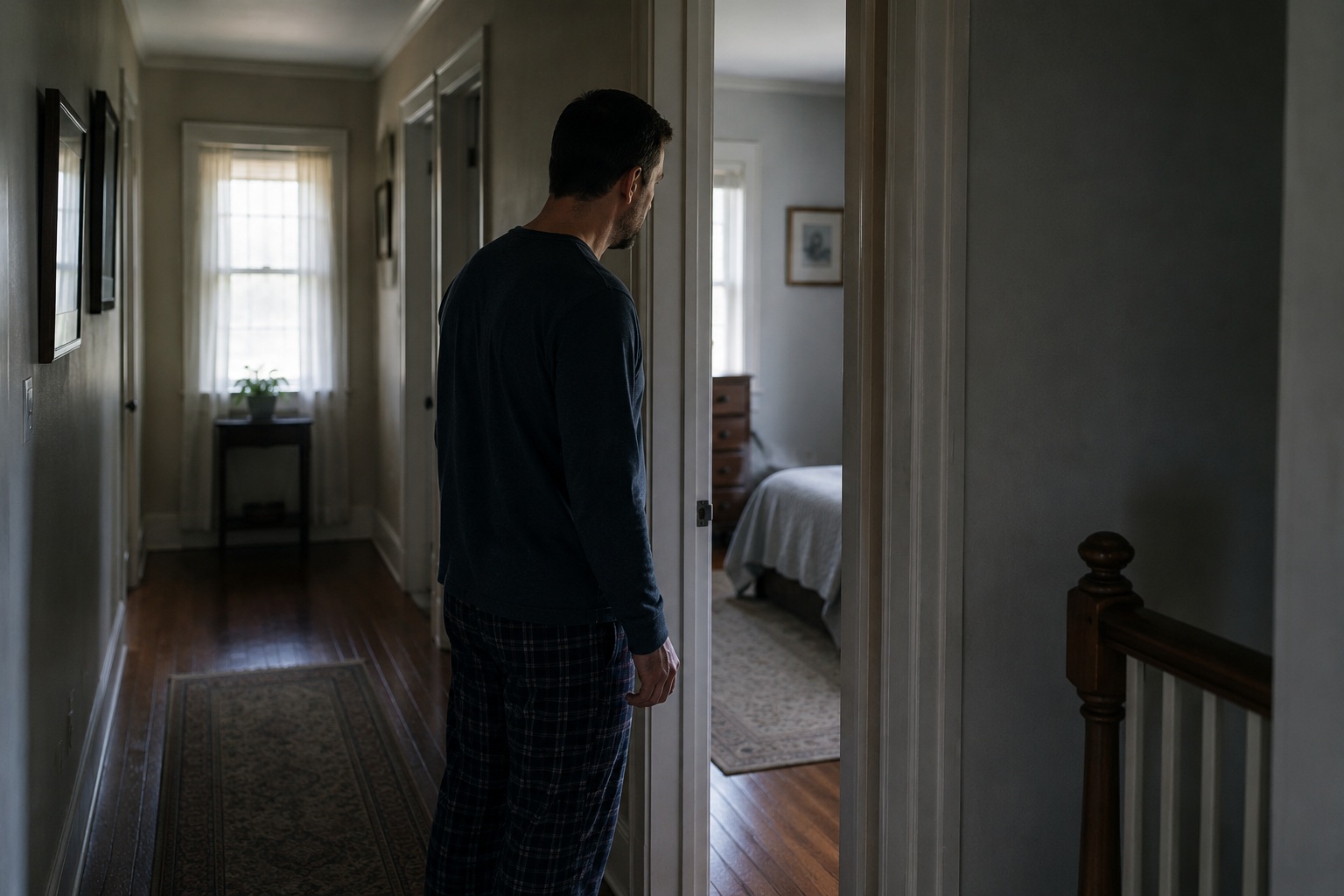
People almost never begin by assuming something paranormal happened. Instead they try to explain it. They switch on lights. They check whether another family member is awake.
They look behind the door. They check windows for reflections. They walk into the room. Some even recreate the lighting the next day to see whether furniture or hanging clothes could have produced the same shape.
Often they find something that explains part of what they saw. Sometimes they do not. That uncertainty is one reason these stories spread. The experience is difficult to repeat on command.
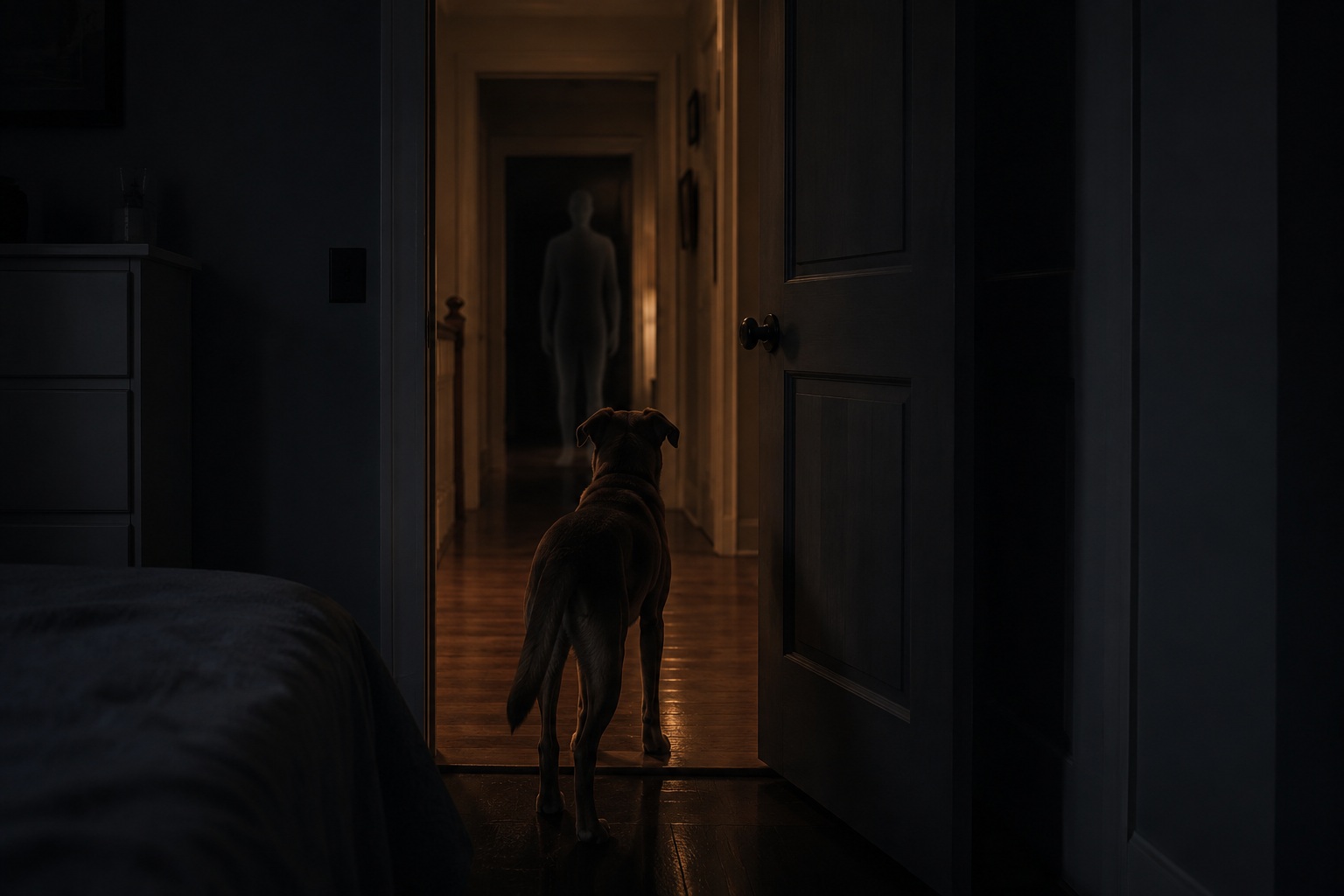
The figure appeared for only a few seconds. By the time someone else arrives, the doorway looks completely ordinary again. Several people have also described pets reacting before they noticed anything themselves. A dog may stop walking and stare toward a bedroom entrance.
A cat may watch an empty doorway for several minutes without moving. Animals notice many normal sounds and smells that humans miss, so their behavior is not necessarily mysterious. Still, when it happens during an already frightening experience, it becomes another detail that people never forget.
Why The Pattern Is Hard To Dismiss
Why
Shadow Figures Feel More Frightening Than Other Ghost Stories A transparent woman walking through an old cemetery is scary because the place already feels connected to ghost stories. A shadow figure in your own hallway is different. It appears somewhere familiar.
You know exactly what should be there. Every night you pass the same doorway. Every morning it looks completely ordinary. That normal setting makes the experience feel more personal.
Many witnesses also report seeing the figure only from the corner of their vision. When they turn fully toward it, it remains visible for a second or two before fading. Others describe seeing it directly while walking past a doorway but losing sight of it the moment they stop.
These small differences make the stories feel surprisingly consistent even though the people involved have never met. Whether someone believes these experiences come from unusual lighting, tired eyes, vivid imagination, or something beyond everyday understanding, the emotional reaction is often the same. The witness immediately knows something feels wrong.
Why People Avoided That Spot Later
Not because the figure moves. Because it does not. A motionless person standing silently in a doorway violates everyday expectations. Someone should shift their weight.
Blink. Breathe. Step aside. When none of those things happen, the mind struggles to fit what it is seeing into a familiar explanation.
That moment of uncertainty is often what people remember most.
Other Strange Experiences That Often Happen Nearby People who report shadow figures sometimes describe other experiences occurring around the same time. They may hear their name called from another room even though nobody answers when they reply.
They may notice a bedroom door standing open after remembering it was closed. A mirror across the hallway may briefly seem to reflect movement that is no longer there. A staircase may suddenly feel as though someone is standing at the top watching. None of these experiences automatically point toward the same cause.
Why This Pattern Keeps Coming Back
Each has ordinary possibilities worth checking first. But together they explain why shadow figures continue appearing in paranormal discussions. The doorway becomes the place where several unsettling moments seem to meet. It is where darkness begins.
It is where movement first catches the eye. It is where someone expects another person to appear. When that expectation is filled by a silent faceless shape instead, the memory tends to stay vivid for years. Perhaps that is why the image has lasted through so many generations of ghost stories.
People forget conversations. They forget dates. They even forget many frightening dreams. But they remember walking down a quiet hallway, glancing toward an open doorway, and seeing someone waiting exactly where nobody should have been.
Whether the explanation lies in the way our brains interpret darkness or in something we still cannot easily describe, one thing remains remarkably consistent. When people tell stories about shadow figures, they almost never place them in the middle of the room. They are standing in the doorway.
Watching. Waiting. And gone before anyone reaches them.