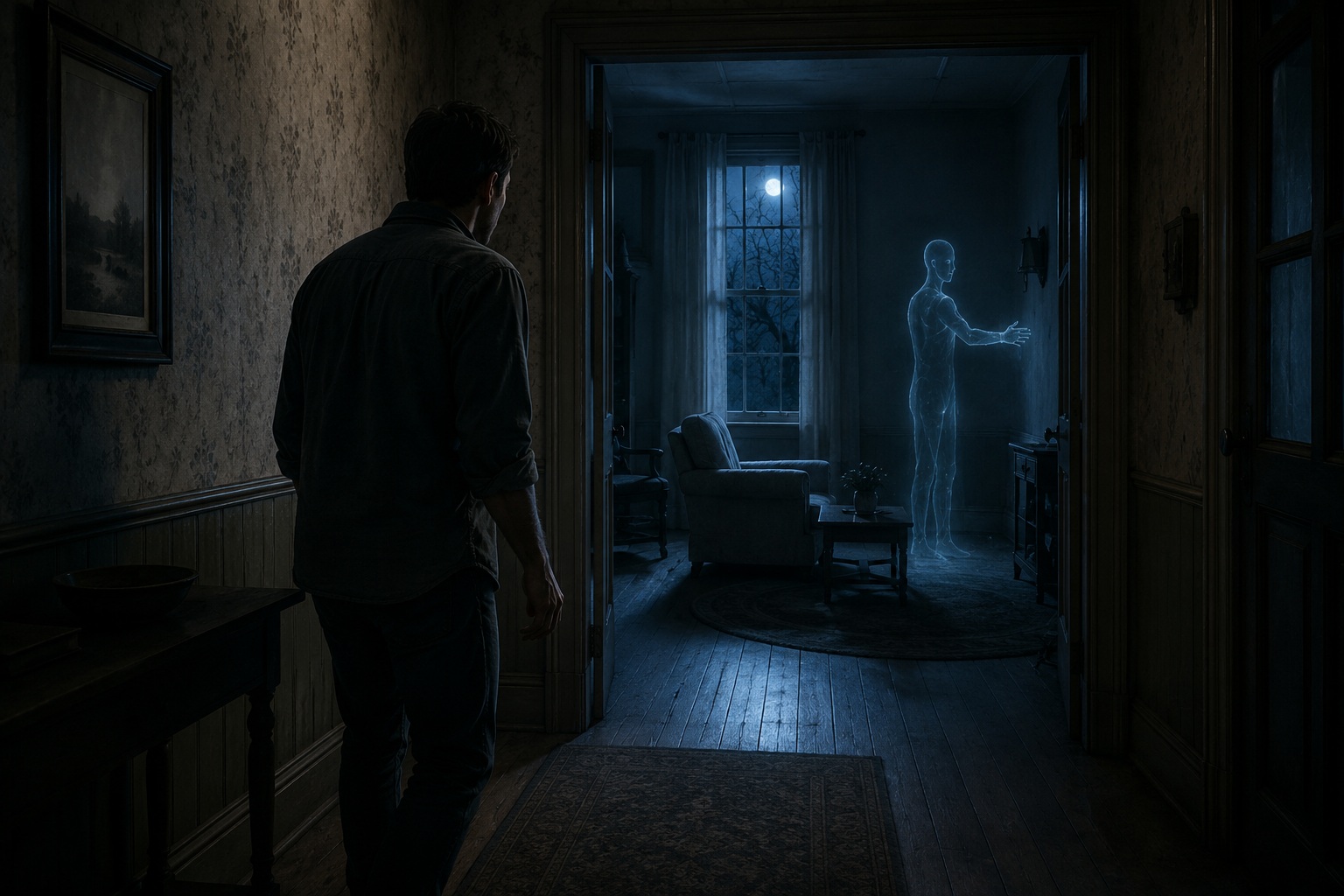
A man renting an old farmhouse woke just after two in the morning to the sound of a piano. At first he assumed a neighbor had left a window open. The tune was slow, uneven, and sounded as though someone kept forgetting the next note. It drifted through the hallway, growing louder each time he stepped toward it. The house itself remained still. No voices. No footsteps. Just the lonely melody echoing through dark rooms.
He followed it to a small sitting room that had been empty since he moved in. Moonlight reached across the wooden floor, lighting a dusty rocking chair and a cracked fireplace. The music stopped the moment he crossed the doorway. He waited. Nothing. As he turned to leave, a single piano key sounded behind him.
There was no piano. Only a transparent person-shaped figure standing beside the far wall, its face blurred as though hidden behind fog. One arm stretched toward empty air where an instrument should have been. Before he could focus on it, the shape slowly faded into the wallpaper until the room looked ordinary again.
Stories like this appear again and again whenever people talk about strange houses. Sometimes the sound is a piano. Sometimes it is an old music box, a nursery lullaby, a violin, a radio playing songs from decades ago, or someone quietly humming in an empty bedroom. Whether people believe ghost stories or not, the pattern raises the same question: why does music appear so often in reports from supposedly strange places?
The First Time It Happened
Most strange house stories begin with ordinary noises. People hear footsteps upstairs, doors moving, quiet knocking, or something falling in another room. Those sounds have practical explanations. Houses settle. Pipes expand. Animals move through walls or attics.
Music feels different. A melody has rhythm. It repeats. It sounds intentional. That immediately makes people think someone must be nearby. Witnesses often describe walking toward the sound expecting to find a television left on or a phone playing songs. Instead they find an empty room.
That gap between expectation and reality creates one of the strongest moments in many ghost stories. Music also carries emotion better than random noise. A few familiar notes can instantly remind someone of childhood, family, loss, or places they have not visited in years. Paranormal stories often use this emotional reaction because readers immediately understand why someone would freeze instead of dismissing the sound.
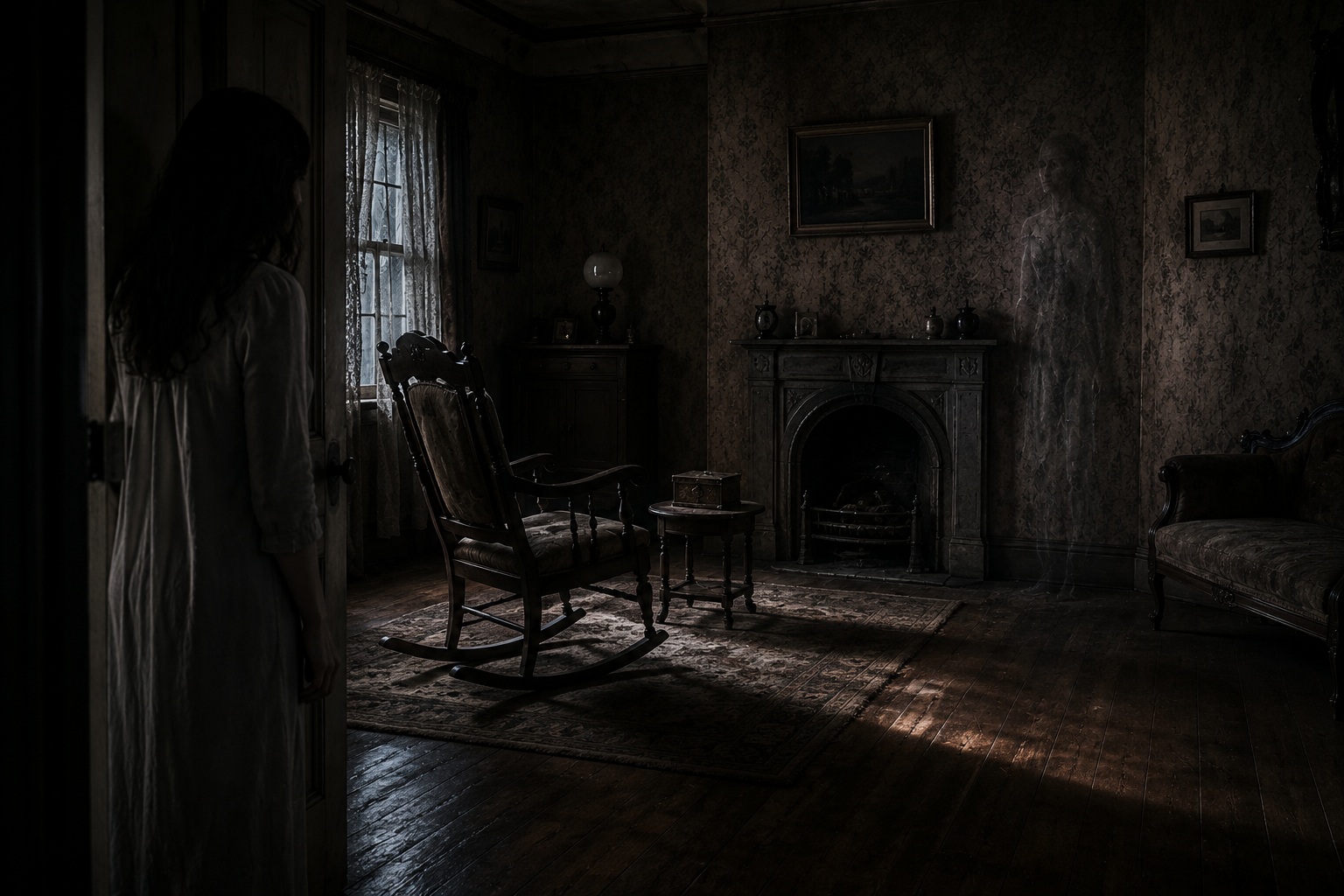
Unlike a bang or creak, music seems personal. It feels as though something is trying to get attention.
Why The Place Felt Wrong
The setting changes, but certain locations appear again and again.
Old houses with unused upstairs rooms are probably the most familiar. People describe hearing piano music from a room that contains no instrument. Others hear a music box somewhere beyond a closed door only to discover an empty bedroom covered in dust. Large historic homes also appear frequently.
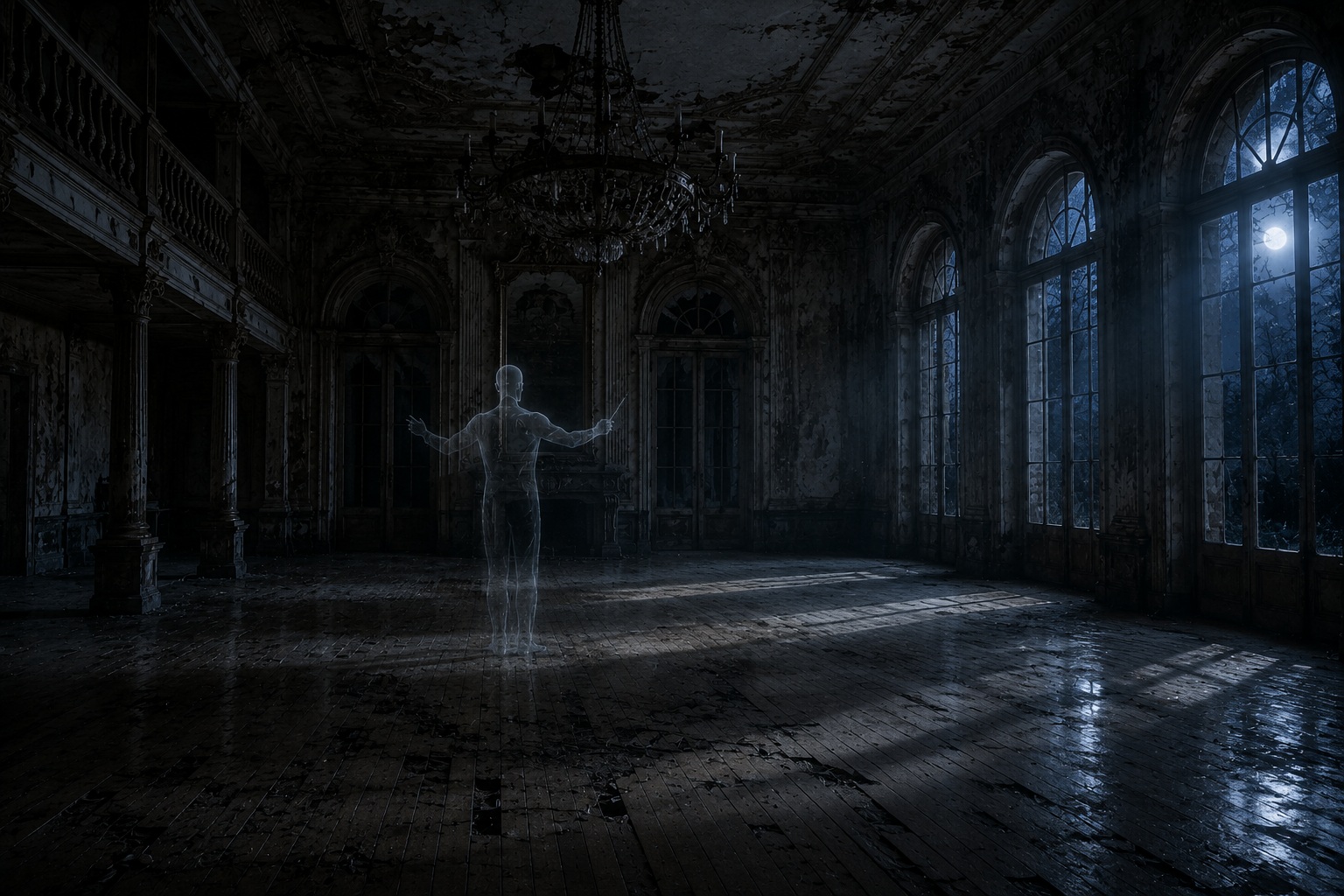
Visitors sometimes report distant ballroom music long after tours have ended. They walk toward the sound only to discover silent hallways and empty staircases. Hotels, theaters, abandoned schools, and former hospitals appear in similar stories. These buildings often have long corridors that let sound travel in confusing ways.
By the time someone reaches the place where they thought the music began, the melody seems to have moved somewhere else. Some witness statements even describe music that becomes quieter the closer someone gets. Instead of leading to a source, it stays just beyond reach.
That strange feeling is one reason these stories continue to spread. The music never behaves the way people expect.
The Detail Nobody Could Explain
Most people do not immediately assume anything paranormal.
They start with ordinary explanations. They check every television. They silence phones. They unplug radios and smart speakers.
They look outside for neighbors working late or someone parked nearby with loud music. Older homes can create surprising sound paths. A radio several rooms away may seem much closer because of vents, wooden floors, or open stairwells. People also check nearby streets.
Music from weddings, passing cars, outdoor events, or restaurants can drift farther than expected during quiet nights, especially when cool air carries sound. Some stories end right there. The mystery turns out to have a simple answer. Others continue because every reasonable source has already been checked.
What They Checked Afterward
Witnesses describe hearing the melody continue even after power is shut off or after walking through every room in the house. That does not automatically make the experience supernatural. It simply explains why the memory stays with them. People remember the nights when they could never identify where the music came from.
One detail appears repeatedly across ghost stories. The music almost never sounds modern. Instead it is described as an old lullaby.
A slow piano tune. A music box with missing notes. A gramophone playing somewhere out of sight. A woman softly humming.
These sounds immediately suggest another time. Whether intentionally or not, they help build the feeling that the house remembers people who once lived there. Many storytellers connect music with memory. Families pass songs between generations.
The Moment It Became Harder To Ignore
Children fall asleep to familiar lullabies. Holiday gatherings include the same piano pieces every year. Because of that, old songs naturally fit stories about places where the past seems close. The melody becomes part of the setting instead of simply background noise.
Another reason these stories work so well is that music creates suspense without showing too much. Readers imagine someone playing just beyond the doorway. Then the room is empty. Or almost empty.
Instead of finding a musician, someone notices a transparent figure standing beside a window, its shoulders turned toward invisible piano keys while its face remains smooth and featureless. One simple impossible detail is often more unsettling than a detailed monster. The house stays ordinary. Only one thing is wrong.
People rarely describe hearing mysterious music in busy places. It almost always comes from rooms nobody is using. That matters because empty rooms invite imagination.
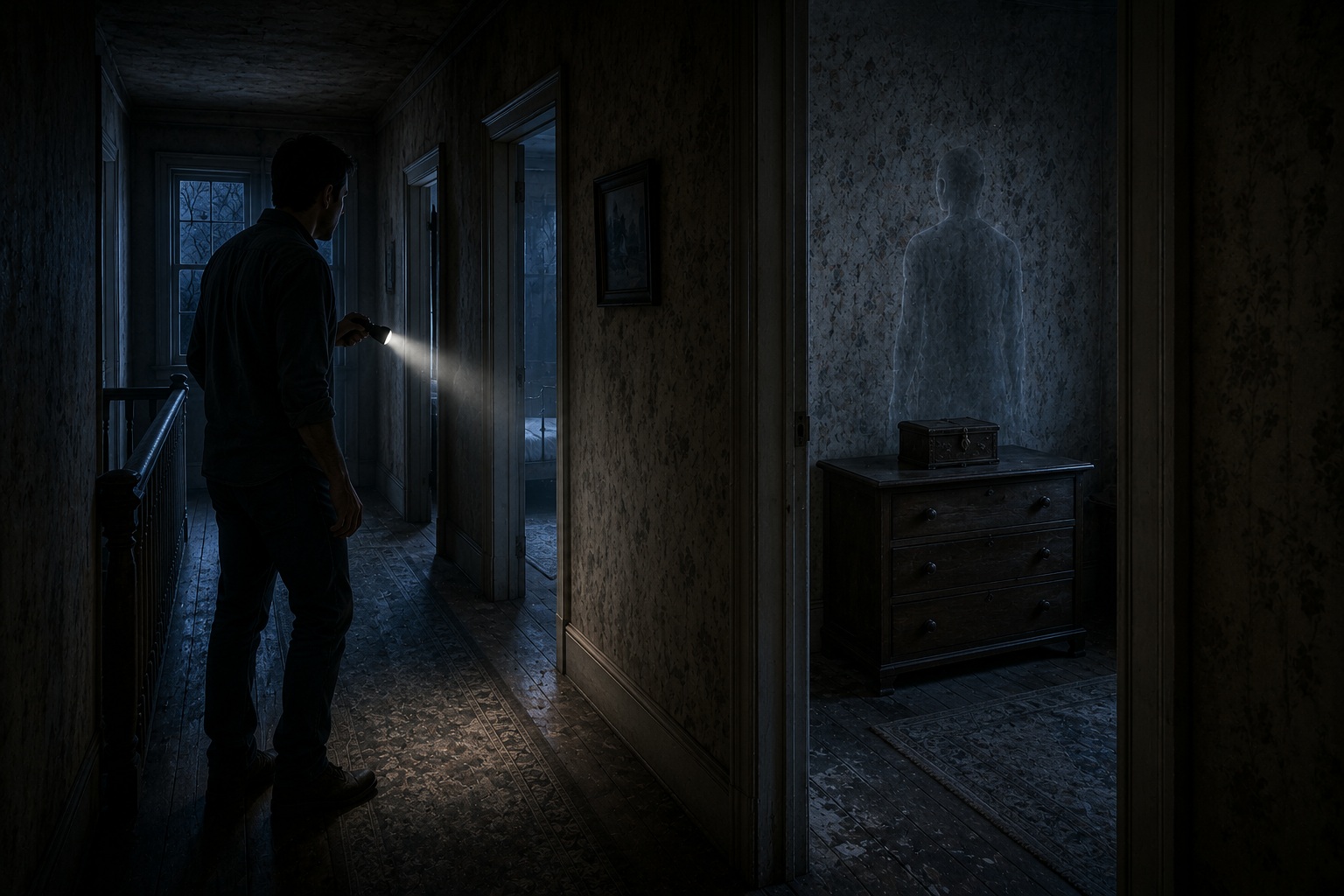
They are quiet enough for every sound to stand out. They also encourage people to investigate. Walking toward an unused room creates tension because every step increases uncertainty. Many stories describe the same sequence.
Why People Avoided That Spot Later
The melody begins faintly. It grows louder. Someone reaches the doorway. The sound suddenly stops.
Silence replaces music so completely that even the house itself seems to pause. Then comes one final detail. A rocking chair moves slightly. A curtain lifts without a breeze.
A transparent person-shaped figure stands halfway inside the fireplace opening, fading before anyone can reach it. Or a single piano note echoes once more after the room appears empty. These endings leave readers with unanswered questions instead of dramatic conclusions. That uncertainty is exactly what keeps the stories memorable.
People continue wondering whether they almost found the source—or whether there was never supposed to be one.
Why The Story Still Gets Shared
Music in empty rooms survives because it combines several fears at once. It suggests someone is nearby without showing them.
It pulls people deeper into unfamiliar parts of a house. It creates emotion before anything visibly strange happens. Most importantly, it turns something comforting into something unsettling. Music normally fills homes with life.
Hearing it from an empty room does the opposite. It makes the house feel occupied while remaining silent. That contrast is why the idea appears in books, films, witness stories, local legends, and conversations about supposedly strange buildings. Whether the explanation turns out to be unusual acoustics, distant sounds, memory playing tricks during a quiet night, or something people simply cannot identify, the experience follows a pattern readers immediately recognize.
The melody starts somewhere out of sight. Someone goes looking. The room is empty. And for just a moment, before the silence returns, it feels as though someone invisible was waiting there first.