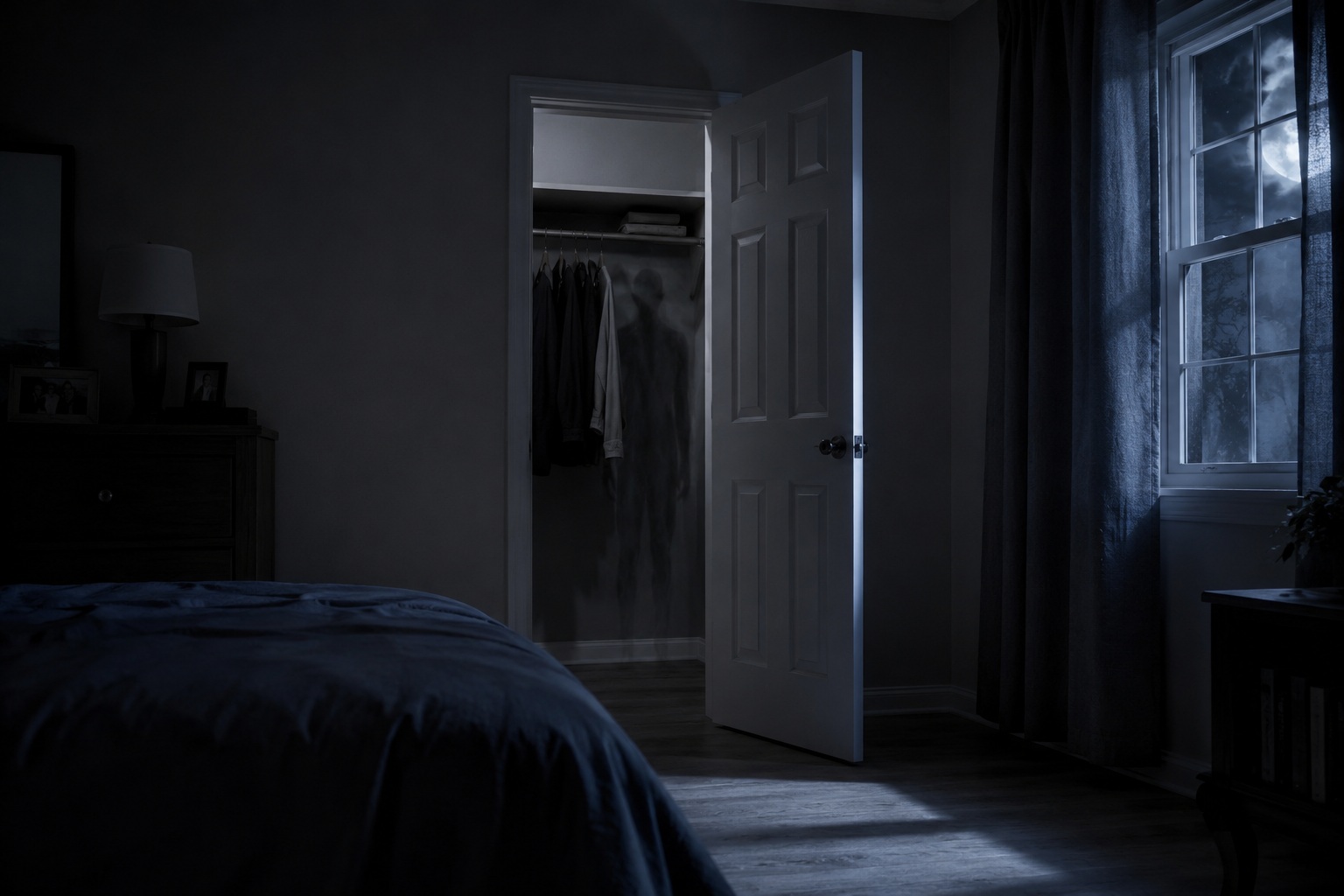
The first sound was so soft she almost slept through it. A wooden click. Then another.
She rolled over and looked toward the bedroom closet. The door, which she always kept fully shut, had opened just enough to leave a narrow black gap. Moonlight reached the carpet but never seemed to reach inside the closet itself. She told herself it was old hinges. Maybe the latch had not caught. She climbed out of bed, pushed the door closed until it clicked, and returned beneath the blankets.
Less than a minute later came another quiet sound. Click. The door drifted open again. This time it stopped halfway. Hanging shirts barely moved, but something farther back looked different. It was shaped like a person standing behind the clothes. No face. No eyes. Just the pale outline of someone who seemed to be waiting without breathing.
She blinked. The shape slowly faded into the darkness while the closet remained open. Stories like this appear in ghost books, online witness reports, podcasts, and conversations between friends more often than almost any other strange house moment. People who have never experienced anything unusual still understand why an opening closet door feels wrong after midnight. But why does this pattern appear so often, and why do so many strange stories begin there?
The First Time It Happened
The answer is a mix of ordinary household behavior, human psychology, and a powerful piece of horror storytelling that has become one of the most recognizable strange house ideas. Why closets feel different after dark During the day, a closet is simply another place to store clothes, boxes, or blankets.
At night it becomes something else. Unlike a hallway or doorway, a closet creates a deep enclosed space inside a room where darkness remains even when moonlight reaches everything else. Your brain naturally treats that darkness as somewhere something could be hiding. That reaction is ancient.
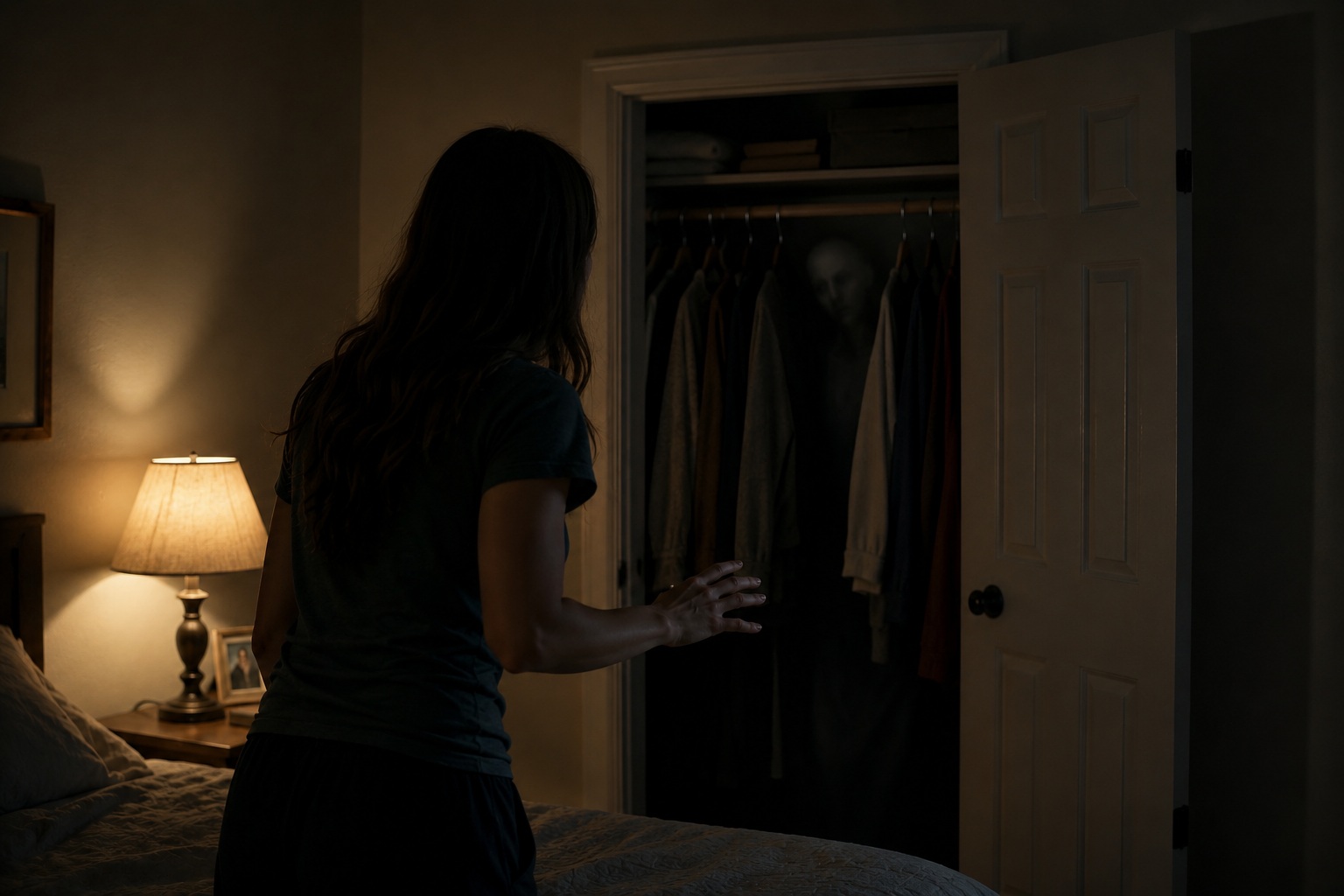
Humans quickly notice places where vision suddenly stops. Caves, thick bushes, abandoned rooms, and open closets all interrupt your ability to see what is inside. Even when nothing is there, your brain keeps checking. Midnight adds another layer. By that point most homes are completely quiet. Heating systems cycle less often. Family members are asleep. Small sounds that would disappear during the day suddenly seem much louder.
A tiny movement from a closet door can become the loudest sound in the entire house. Ghost stories take advantage of that silence because readers immediately understand how exposed someone would feel lying in bed while staring toward a slowly opening dark space. Why closet doors sometimes open by themselves
Why The Place Felt Wrong
One reason this story feels believable is that closet doors really do move on their own. Many interior doors are slightly uneven because houses settle over time. A latch that barely catches may slowly release. Air pressure changes when another door closes elsewhere in the house.
Heating or cooling systems create gentle airflow. Loose hinges allow the weight of the door to pull it open. Sliding closet doors can also drift if their tracks are not perfectly level. Most people who experience this explain it that way, especially after checking the hardware.
But witness stories often become unsettling because they include one extra detail. Someone closes the door. The room becomes quiet. The door opens again.
Then the witness notices something inside that should not be there. The opening door becomes less important than what appears after it moves. That is why so many ghost stories begin with the door rather than ending with it. The figure people describe behind the hanging clothes
The Detail Nobody Could Explain
One detail appears again and again across strange house stories. People rarely describe a clear person standing inside the closet. Instead they describe someone who looks wrong. The shape has no face.
The body seems slightly transparent. Part of the figure disappears into the back wall. The head is tilted too far. It remains perfectly still while everything around it looks normal.
These simple impossible details create fear without requiring dramatic monsters. A normal-looking stranger inside a closet raises ordinary questions. A blurred person who quietly fades into the hanging coats creates an entirely different feeling. Witnesses also describe uncertainty.
At first they believe they are seeing coats hanging together. Then one outline remains still while the clothing shifts. Or a pale shoulder seems to remain visible after they turn on the bedroom light. Ghost stories often keep the figure motionless because stillness itself becomes disturbing.
What They Checked Afterward
Most living people react when noticed. These figures simply wait. Why midnight makes the story feel stronger The exact time matters less than people think.
Many stories mention midnight, one o'clock, or three in the morning because those are the hours when people are most likely to wake naturally. A person waking from sleep is still adjusting to darkness. Vision takes time to sharpen. The brain is moving from dreaming into full awareness.
Small sounds seem larger because there is almost no competing noise. That combination makes ordinary events feel unusually important. Storytellers have recognized this for generations. If someone hears a closet door opening at two in the afternoon, they walk over and close it.
If the same sound happens after midnight while the rest of the house is silent, every second feels longer. Even readers who do not believe in ghosts immediately understand why the person hesitates before looking. The fear comes from anticipation. The opening door promises that something might already be standing inside.
That expectation is often scarier than anything eventually described. What people usually check first One reason these stories continue to spread is that many witnesses describe checking ordinary explanations before talking about anything strange. They inspect the hinges.
The Moment It Became Harder To Ignore
They test whether the latch catches properly. They look for open windows creating airflow. They ask whether someone else entered the room. Sometimes those checks explain everything.
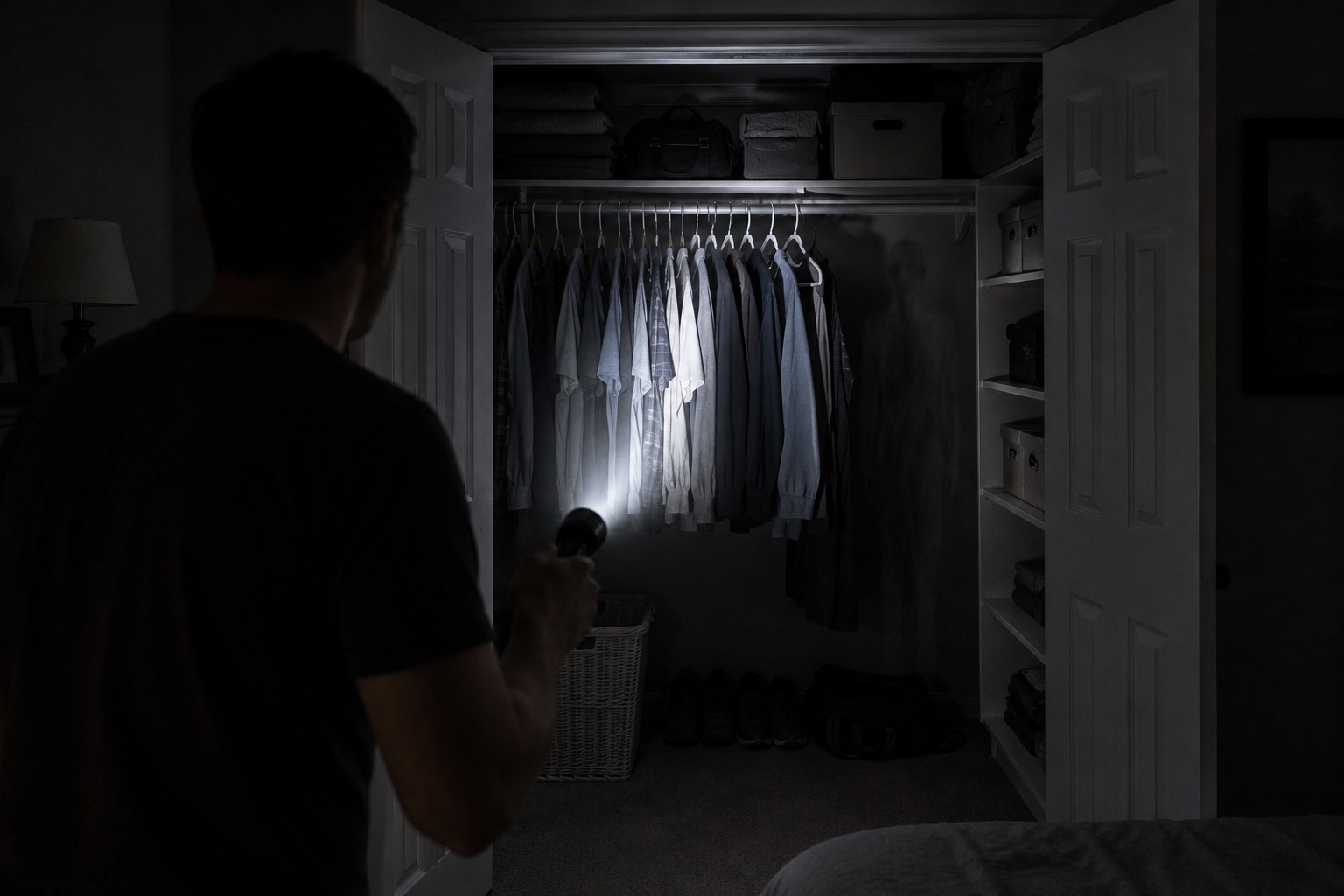
Sometimes they do not satisfy the witness because the unusual part happened after the door opened. Several stories describe turning on every light and finding nothing unusual inside the closet. The room appears completely ordinary. The clothes hang exactly where they should.
Nothing has fallen. Nothing is missing. Hours later, after everyone has relaxed, the quiet clicking begins again. That repeating pattern keeps the experience alive in memory.
People often remember the emotional sequence more than the door itself. First curiosity. Then confusion. Then hesitation.
Why People Avoided That Spot Later
Finally the uncomfortable feeling of watching the closet instead of sleeping. Whether someone believes the experience had a normal cause or something stranger, that emotional progression is remarkably consistent. Why the image keeps returning in ghost stories Closet doors opening after midnight have become one of the defining scenes of strange house fiction because they combine familiar surroundings with uncertainty.
Everyone understands what belongs inside a closet. Coats. Shoes. Boxes.
Nothing more. When even one ordinary detail changes, the room suddenly feels unfamiliar. The fear does not come from loud noises or violent surprises. It comes from the possibility that an everyday part of the house might no longer be empty.
That idea appears across novels, films, witness stories, podcasts, and late-night conversations because it is easy to imagine yourself in the same position. Most bedrooms contain a closet. Most people have closed one before going to bed. Almost everyone has woken during the night to an unexpected sound.
Why The Story Still Gets Shared
Those shared experiences make the story feel personal before anything unusual even happens. Closet stories also connect naturally with other strange house patterns. People report hearing footsteps in empty hallways before noticing the bedroom door standing open. Some hear soft knocking from inside walls shortly before the closet slowly swings outward.
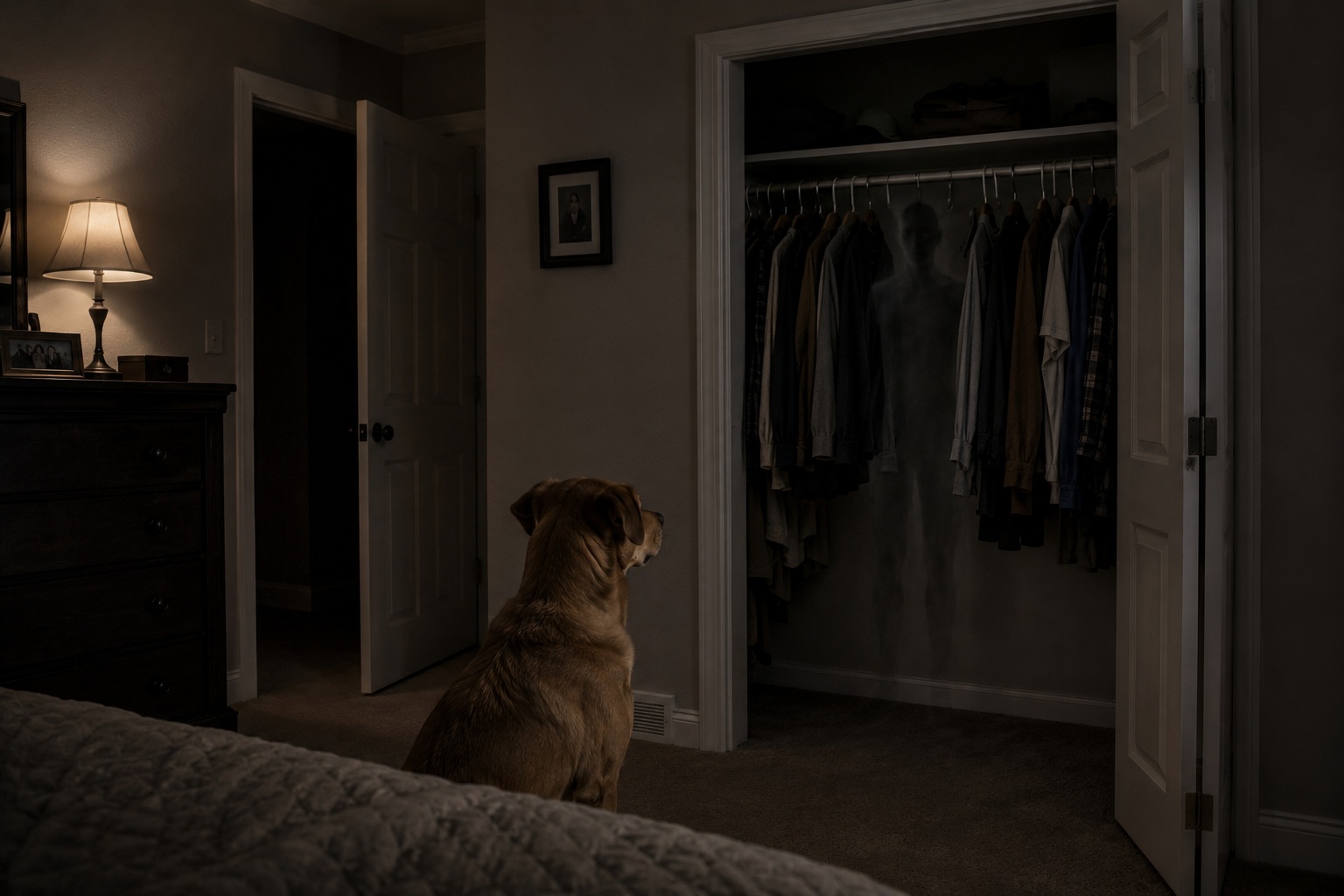
Others describe mirrors reflecting an empty room while the closet behind them appears slightly open in the glass. Many stories mention pets becoming alert first. A dog may sit upright staring toward the closet long before its owner notices the quiet clicking. A cat may refuse to enter the bedroom entirely while watching the open doorway.
Whether readers see these details as ghost stories, psychological experiences, or simply powerful folklore, the structure remains effective because it builds tension through ordinary events. Nothing dramatic happens at first. A simple door opens. Someone closes it.
It opens again. Then the room feels occupied even though no one should be there. That slow climb from ordinary life into uncertainty is exactly why closet doors opening after midnight continue to introduce ghost stories generation after generation.