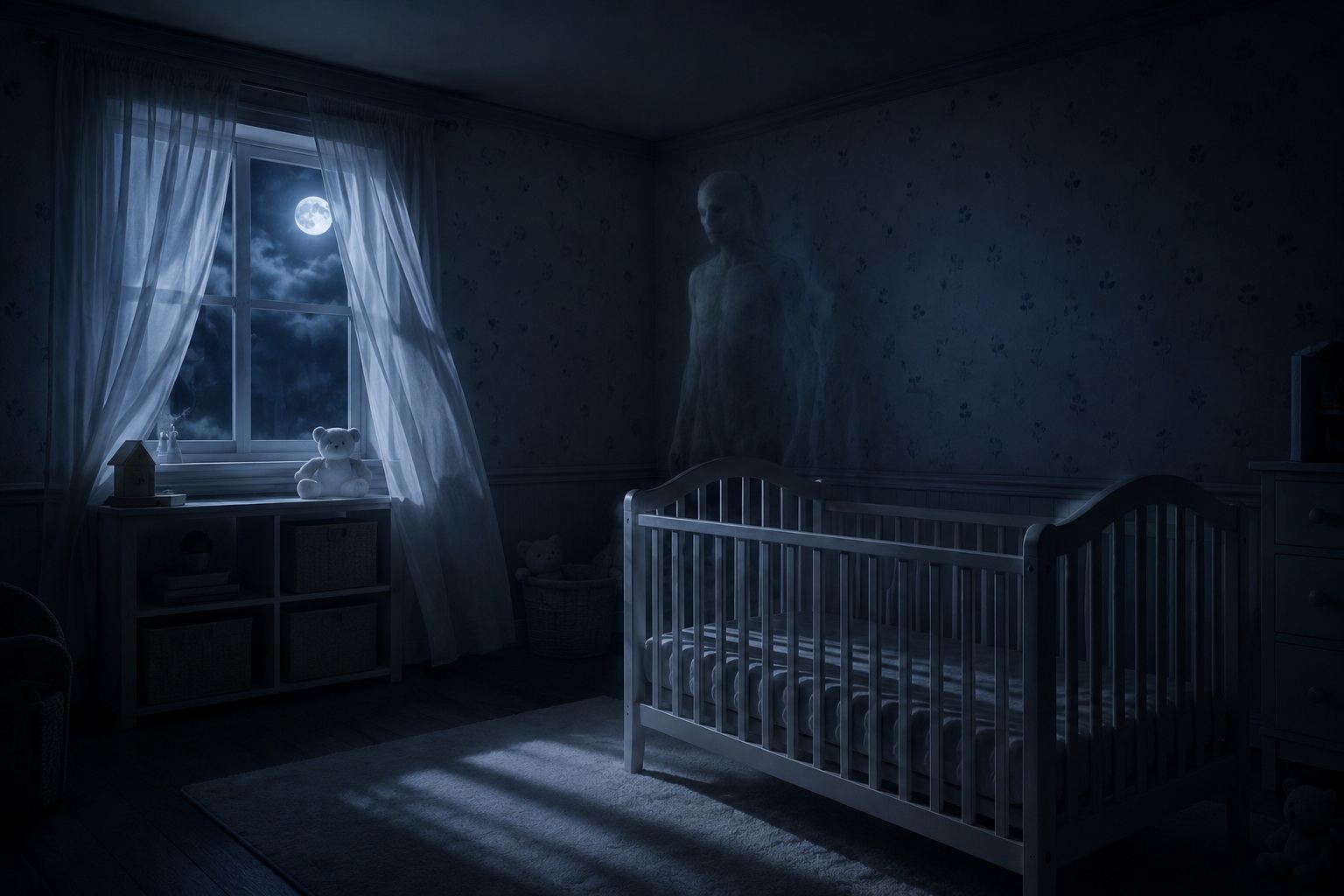
A baby started crying from the nursery three times in less than ten minutes. Each time, the woman climbed the stairs expecting to find her sleeping grandson awake. Each time, the room was completely empty. The family had taken the child home that afternoon.
She checked the crib anyway. The blanket was folded exactly as she had left it. The rocking chair stood still beside the window. The night-light glowed softly against pale blue walls. Nothing had moved. As she reached the doorway for the fourth time, the crying started again.
This time it wasn't inside the nursery. It sounded like it came from the spare bedroom across the hall. She stepped into the dark room expecting another empty space, but stopped after only two steps. Someone was standing beside the old wardrobe.
Not a person exactly. Just the shape of one. Tall. Faint. Almost transparent. It had no face she could recognize. It seemed to fade into the wallpaper behind it, as though it belonged partly inside the wall instead of the room. Before she could move, the crying stopped in the middle of a breath.
Why the Sound Is Hard to Ignore
The figure disappeared with it. Stories like this appear in ghost collections, family stories, hospital tales, abandoned house legends, and online discussions from people who swear they heard an infant crying where no child was present. Whether someone believes these stories or not, the same question keeps returning:
This Sound Is So Difficult To Ignore Few sounds demand attention as quickly as a baby's cry. Humans are built to react to it.
The pitch, rhythm, and urgency are designed to pull attention immediately. Parents wake from deep sleep because of it. Neighbors notice it through walls. Even people with no children often stop what they're doing when they hear it. That instinct creates the perfect beginning for frightening stories.
Unlike strange footsteps or an unexplained creak, a crying baby suggests someone needs help right now. People don't pause to decide whether they should investigate. They go. By the time they reach the room, they expect to see a child.
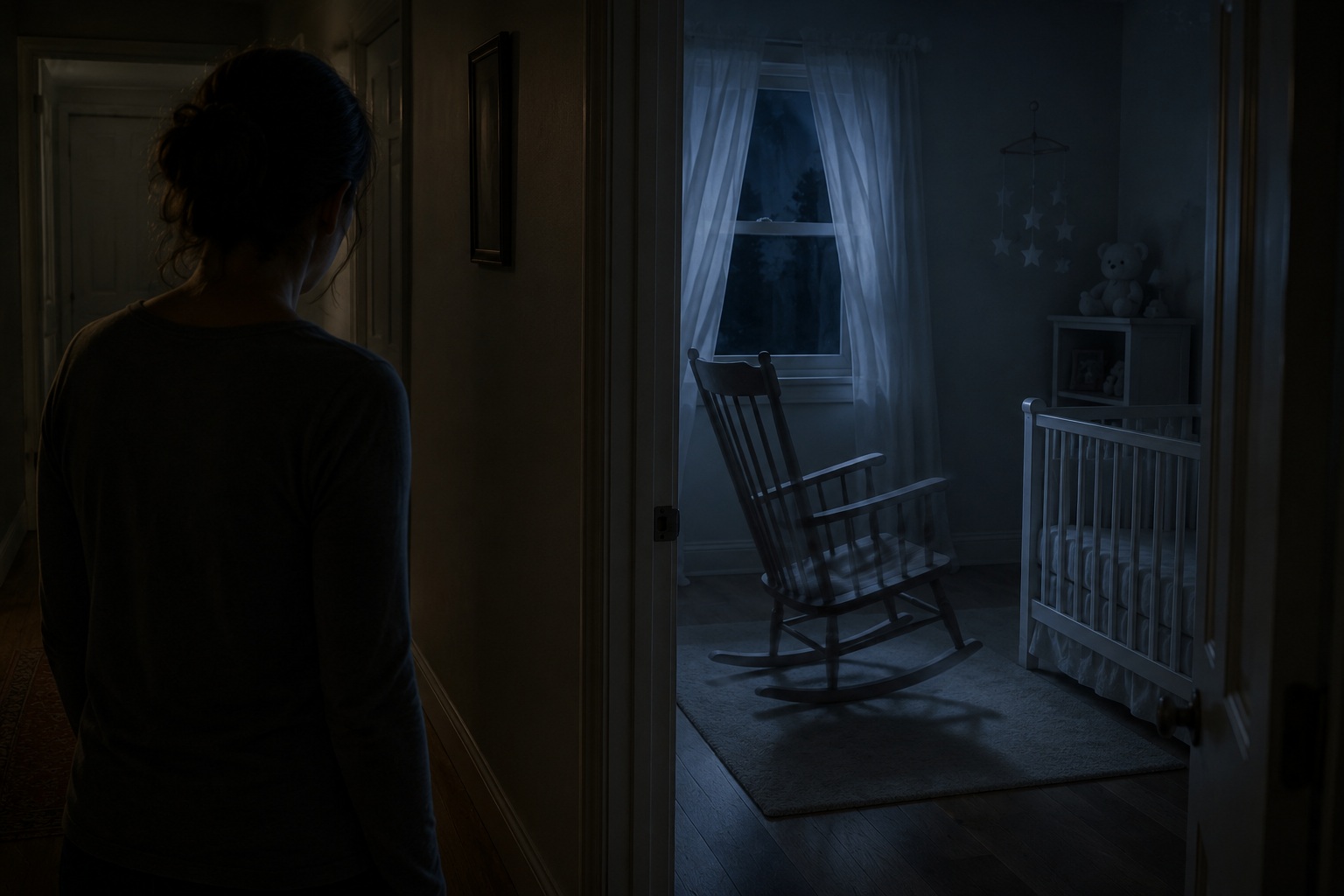
Instead they find silence. That sudden change—from urgent sound to complete emptiness—is what many witnesses remember most.
Why Empty Rooms Make It Worse
Places Where The Stories Usually Begin The location changes surprisingly little.
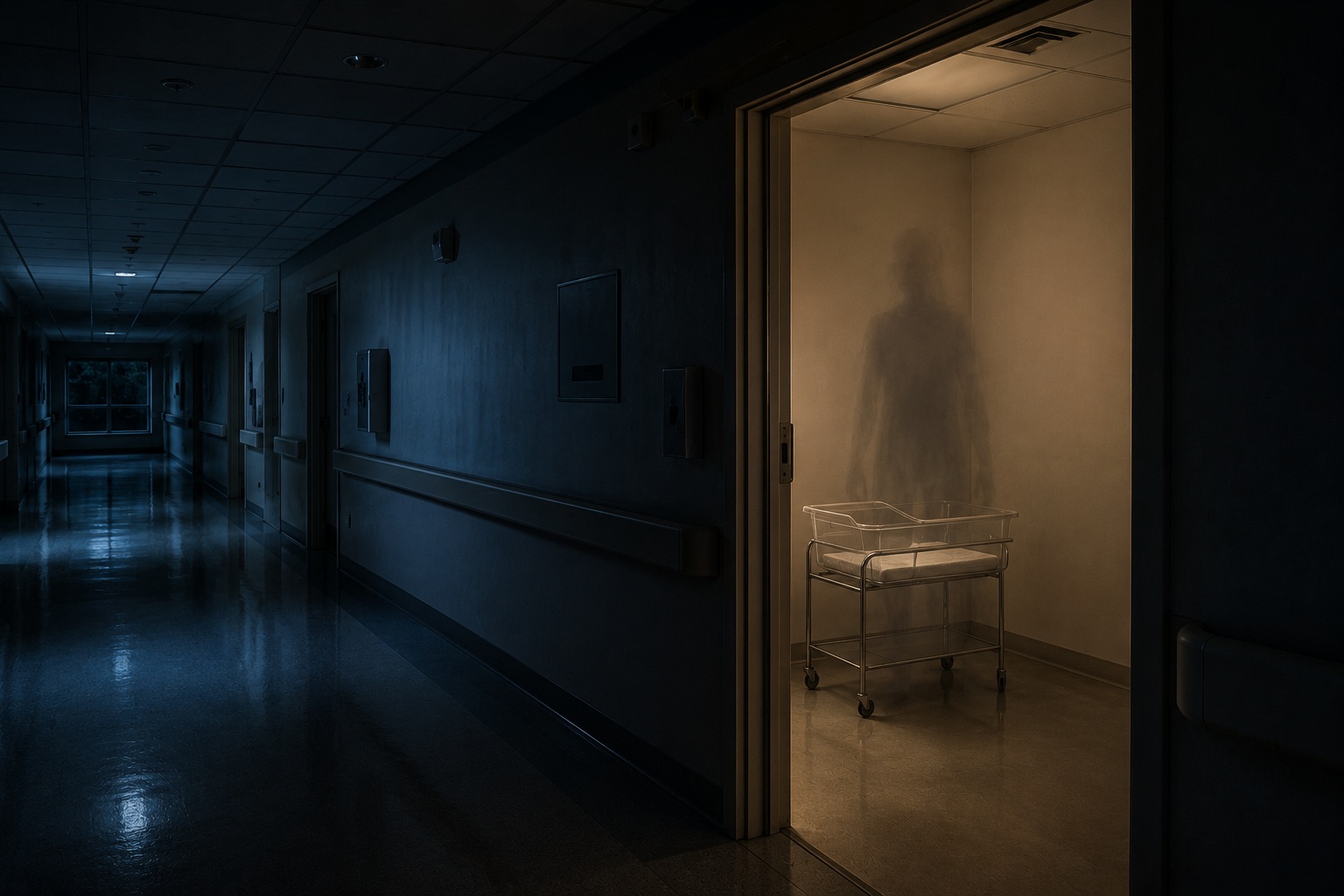
Old nurseries appear often because they already carry strong emotional memories. Even after becoming storage rooms or guest bedrooms, people continue thinking of them as children's rooms. Hospitals also appear in many stories. Night nurses, cleaners, maintenance workers, and security staff sometimes describe hearing crying after maternity wards have closed for the evening or from rooms no longer in use. Most reports end with ordinary explanations, but a few remain strange enough to keep getting shared.
Hotels occasionally produce similar stories. Guests hear what sounds like an infant somewhere nearby, only to learn no families with young children are staying on that floor. Large old houses appear repeatedly as well. Someone hears crying upstairs while everyone else is downstairs together.
They search every room. Nothing. Abandoned buildings attract the same stories because empty spaces naturally make distant sounds difficult to judge. A bird outside, plumbing, or voices traveling through broken walls can seem surprisingly close. Yet witnesses often insist on one detail.
The crying sounded only a few feet away.
Detail Witnesses Notice After The Sound Stops The crying itself is frightening. What comes after often scares people more.
The Detail Witnesses Usually Check First
Many stories describe reaching the room just as the crying suddenly ends. The silence feels wrong. People expect to hear footsteps leaving, someone speaking, or another sound replacing it. Instead there is nothing.
That stillness makes people start looking around instead of simply listening. This is where the stranger details begin. Someone notices a rocking chair gently moving despite closed windows. Someone sees a nursery door already standing open when they remember closing it earlier.
Someone finds a transparent figure standing beside an empty crib for only a second before it fades. Others describe seeing someone across the hallway rather than inside the nursery itself. The figure is almost never described as a normal-looking adult. Instead it appears blurred, faceless, unusually still, or partly inside a wall or doorway.
That single impossible detail changes an ordinary search into something people remember for years.
When people hear crying with no obvious source, they usually look for ordinary answers before considering anything unusual. They check whether a television is still playing.
Normal Explanations People Look For
They look for phones, tablets, or baby monitors. Electronic toys sometimes activate unexpectedly when batteries weaken. Motion sensors occasionally behave strangely. Neighbors' children can sound much closer than they really are.
Open windows change how sound travels. Heating ducts and stairwells can carry voices from surprising distances. Older homes sometimes make outside sounds seem as though they come from another room entirely. People also discover wildlife creating surprisingly similar noises.
Foxes, certain birds, and even cats can produce calls that resemble a distressed infant, especially late at night when everything else is quiet. These explanations solve many stories. But not all of them. The reports people keep talking about usually include details that don't fit those first checks.
Normal Explanation Gets Weaker Most unusual sounds eventually receive ordinary explanations. The stories that survive tend to share extra details beyond the sound itself. Several people hear the crying at the same time.
The sound seems to move through the house without anyone walking. It suddenly stops the instant someone reaches a particular doorway. A family searches every room immediately and finds nothing capable of making the noise. Sometimes another strange detail appears within moments.
When the Crying Feels Less Ordinary
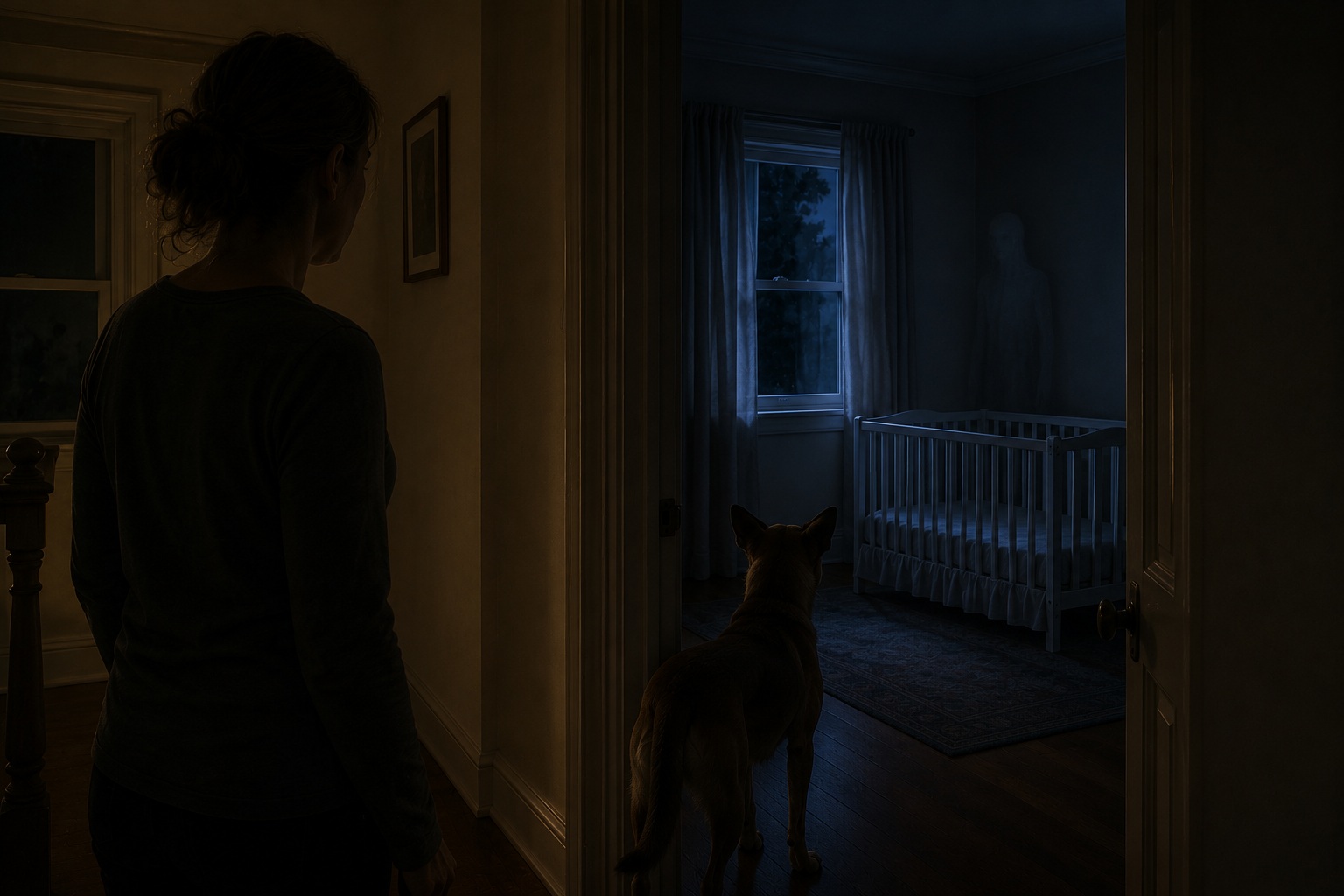
A dog refuses to enter the nursery. A child asks who the person standing in the corner is. Someone notices a pale figure reflected in glass that isn't standing anywhere in the room itself. None of these details automatically point toward anything supernatural.
But together they create stories people struggle to forget. The frightening part isn't simply hearing a sound. It's hearing it alongside something that feels physically out of place.
Rooms connected with children carry unusually strong emotions. People remember birthdays, bedtime stories, illnesses, celebrations, and quiet family moments. Even years later, those memories remain attached to the room. At night those familiar places change.
Furniture becomes unfamiliar shapes. Moonlight changes colors. A rocking chair looks occupied for a moment before your eyes adjust. An empty crib naturally draws attention because people expect to see someone inside it.
That expectation matters. When the brain already anticipates finding a child, unexpected sounds become easier to connect with that image. Ghost stories have used abandoned nurseries for generations because they combine two powerful ideas at once. Something that should feel safe.
Why This Sound Spreads Through House Stories
And something that suddenly feels empty. That emotional contrast is often stronger than any ghost itself.
These Stories Spread Across So Many Different Cultures Stories about phantom crying appear in many countries despite local traditions being very different.
Some versions involve old family homes. Others take place in castles, hospitals, orphanages, apartment buildings, or country cottages. The details change. The pattern stays remarkably similar.
Someone hears a baby. They investigate immediately. The room is empty. Then one additional impossible detail appears.
A blurred person near the wall. A hand resting on an empty crib. A reflection that doesn't match the room. A voice stopping halfway through a cry.
That repeated structure makes the stories memorable because each part naturally leads to the next. People listening can easily imagine exactly what they would do. They know they would check the room too.
Why the Doorway Moment Lingers
Long after the sound fades, witnesses often return to the same question. Why did it sound so close? Many describe the crying as clearer than any other sound that night. They remember exactly which doorway they were approaching.
Exactly which floorboard creaked. Exactly where they expected to find someone. Whether the cause was unusual acoustics, wildlife, electronics, tired senses, or something they still cannot explain, the emotional memory remains remarkably vivid. Perhaps that's why these stories continue to spread.
A crying baby isn't frightening because it's loud. It's frightening because it demands an answer. You cannot easily ignore it. You feel responsible for finding whoever needs help.
When the room is empty, the mind keeps searching anyway. And if, during that search, someone catches sight of a transparent figure standing perfectly still beside an empty nursery wall before fading into the darkness, the sound itself almost becomes the smaller part of the story.
The silence that follows is usually what people remember for the rest of their lives.