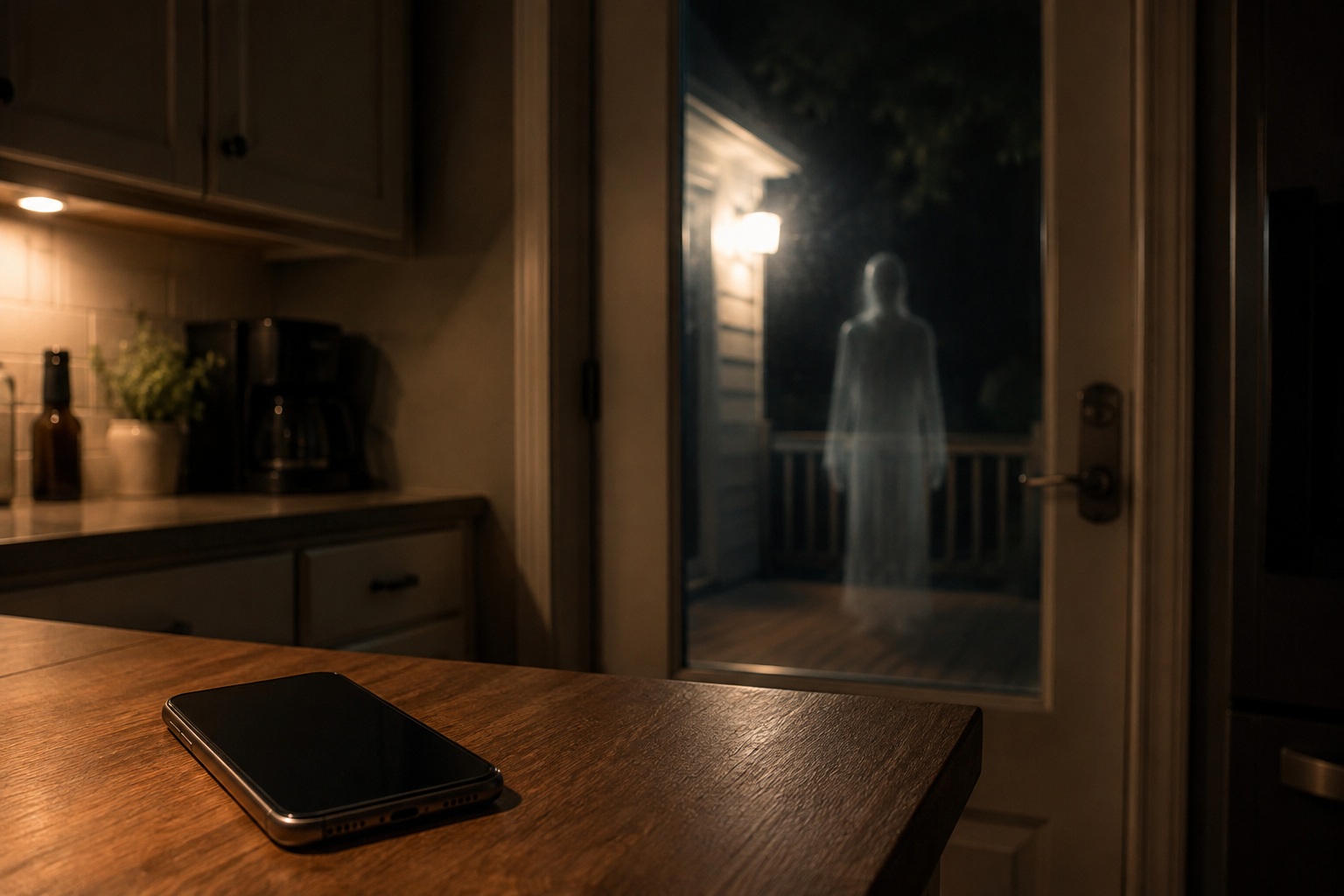
The phone had been switched off for two days. Its battery had died during a long drive, and instead of charging it, the owner left it face down on the kitchen counter beside a bowl of keys. That evening, just after midnight, the smart doorbell chimed. A familiar ringtone echoed through the hallway, exactly the same notification sound the powered-off phone normally made whenever someone pressed the front door button.
The owner walked to the counter first. The black screen never lit up. There was no charging cable attached. The phone felt cold. It stayed completely dead in his hand. The front porch was empty. When he checked the doorbell history on another device, there was no visitor, no motion alert, and no record of anyone approaching the house. Yet everyone inside agreed they had heard the same notification together. The strangest part came later, when the phone finally charged. There were no missed alerts waiting.
Stories like this have become surprisingly common since phones, smart doorbells, and connected homes filled ordinary houses with familiar electronic sounds. Instead of hearing footsteps or unexplained knocks, many people now describe hearing digital notifications that should have been impossible. Among the most unsettling versions is the claim that a powered-off phone somehow plays a doorbell alert, even though it should not be capable of making any sound at all.
So why do these stories appear so often, and why do they stay with people long after the batteries are charged again?
Modern homes train people to react instantly to certain sounds. A doorbell notification means someone has arrived. A smoke detector demands immediate attention. A phone ringing from another room almost pulls people to their feet before they even think about it.
The First Time It Happened
Because those sounds carry meaning, hearing one unexpectedly creates a much stronger emotional reaction than hearing an unexplained creak in the walls. In paranormal stories, the impossible part is usually very simple. It is not that every electronic device begins behaving wildly. Instead, one ordinary sound happens under one impossible condition.
The phone is switched off. The battery is missing. The notification arrives from a device packed away in a drawer. Nothing else seems unusual.
That small contradiction is enough to make witnesses question everything they thought they heard. Many reports also describe the event happening during quiet hours, when the house is almost completely silent. Without traffic, conversations, or televisions masking small noises, familiar electronic tones become easier to recognize.
People often insist they knew exactly which notification they heard because they had listened to it hundreds of times before.
Although every story is different, several details appear repeatedly. The first is timing.
Why This Pattern Feels So Specific
The notification often arrives late at night, during a power outage, or shortly after someone has spoken about an absent relative or recently visited an old family home. These moments naturally make people more alert to unusual events. The second detail is certainty about the phone's condition.
Witnesses rarely say they merely thought the phone was off. Instead, they remember switching it off themselves, watching the battery die, or placing it somewhere it could not possibly make a sound. The third detail involves what happens afterward. People almost always rush to check the device immediately.
They expect to find a missed visitor, a software update, or some obvious explanation. Instead, they often describe finding nothing unusual at all. Some stories add another unsettling twist. The front porch remains empty, yet someone inside still feels as though another person had just arrived outside the door.
That feeling—not the electronics—is often what people remember years later.
Before assuming anything unusual happened, there are several ordinary explanations worth considering. Phones are surprisingly complicated.
The Detail That Makes People Stop
Some models briefly power on automatically after connecting to a charger. Nearby smart speakers can replay notification sounds. Another family member's device may use the same ringtone. Connected watches, tablets, or computers can also produce alerts that resemble a phone notification.
Smart doorbells themselves occasionally repeat delayed alerts after reconnecting to the internet. Audio reflections inside hallways can also make sounds seem as though they came from a different room entirely. People should also consider whether another electronic device shares the same notification tone. Many households accidentally assign identical sounds to several devices without realizing it.
Even neighbors' electronics, particularly in apartments, can sometimes be heard through shared walls. Most stories become far less mysterious once every nearby device is checked carefully.
The stories that continue circulating usually include one extra detail that people struggle to fit into those ordinary explanations.
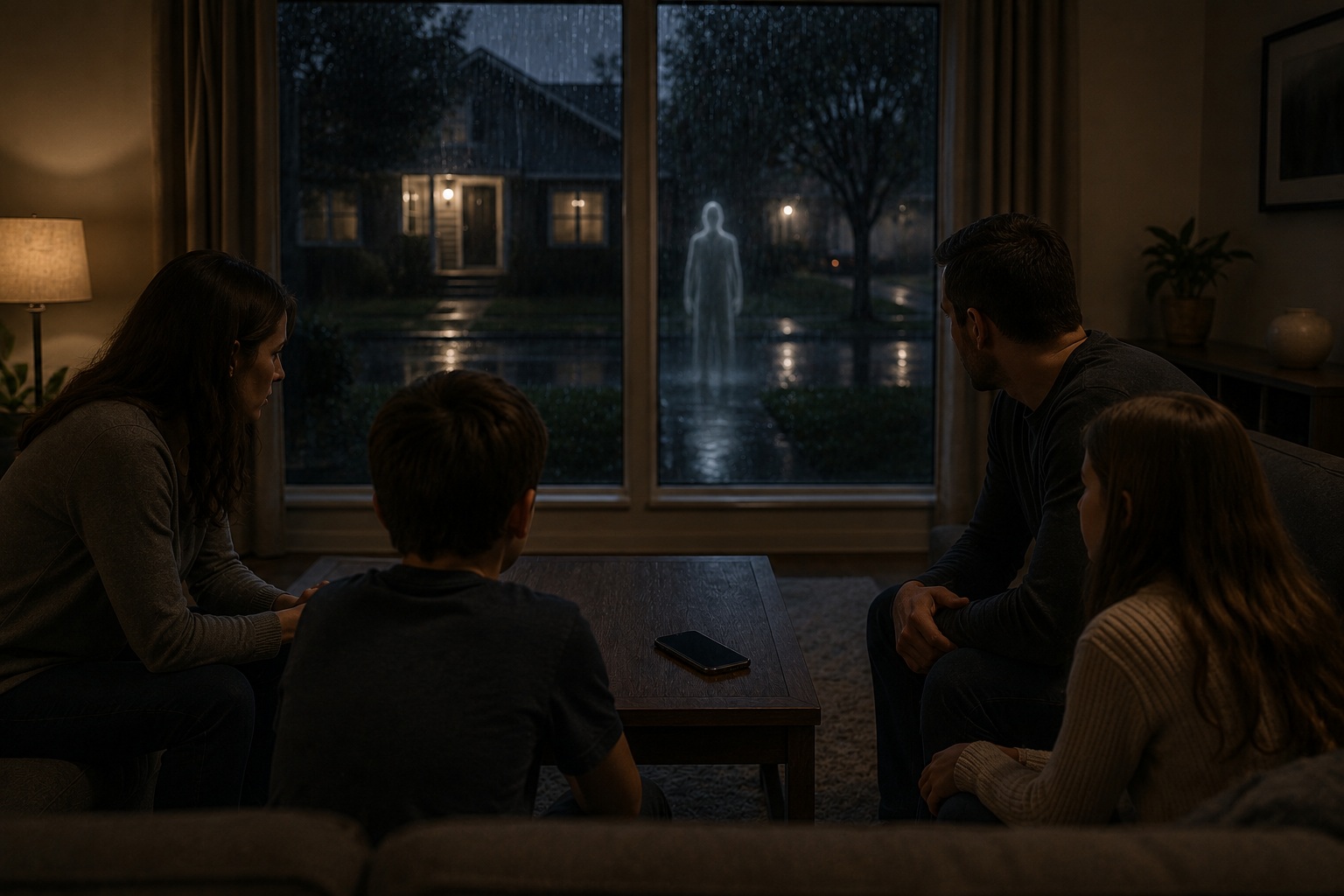
Perhaps every device remained disconnected. Perhaps the home's internet had already gone down. Perhaps the powered-off phone was locked inside luggage while everyone heard the notification from the kitchen. Sometimes several people describe hearing exactly the same sound at the same moment.
Ordinary Explanations People Check First
That shared experience gives the story more weight within the family, even though shared memories are not always perfect. Another detail appears surprisingly often. People describe walking toward the front door expecting to greet someone, only to stop halfway because the house suddenly feels wrong.
Nothing moves outside. No footsteps retreat down the driveway. No passing car explains the sound. The silence afterward becomes the part they remember most clearly.
Paranormal folklore often focuses less on objects behaving strangely and more on expectations being broken. A familiar signal promises someone's arrival. Nobody arrives. That empty ending creates lasting unease.
Older ghost stories often centered on bells ringing by themselves, telephones sounding in empty houses, or clocks stopping without explanation. Today's versions have simply changed with everyday technology. Instead of a landline ringing once after midnight, people describe smartphone alerts.
The Moment It Became Harder To Ignore
Instead of mysterious knocks alone, they mention smart doorbells. Instead of hearing static through an old radio, they report familiar app notifications. The structure of the story remains almost identical. Something designed to connect people suddenly seems to connect with nobody.
That idea fits naturally into ghost folklore because communication has always carried symbolic meaning. A closed door suggests separation. A ringing bell suggests arrival. A telephone suggests someone reaching out.
Modern devices inherit those same emotional associations. Whether someone believes paranormal explanations or not, it is easy to understand why these stories continue evolving instead of disappearing. Technology changes. The fears behind the stories often stay remarkably similar.
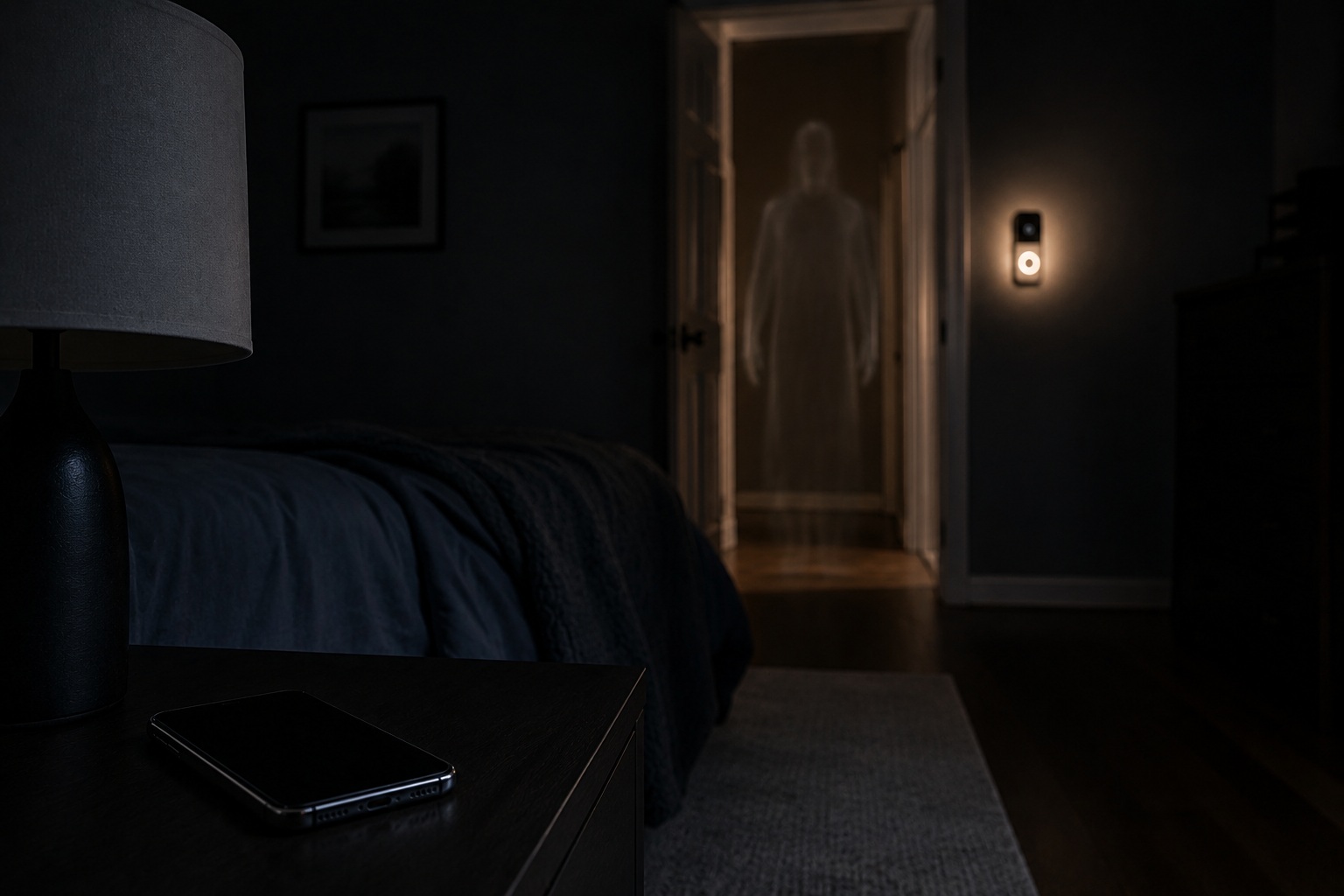
Many witness accounts include one physical image that readers remember more than the electronic sound itself. The phone remains completely dark. The screen reflects the ceiling light but never wakes.
Why People Avoided That Spot Later
No charging symbol appears. No vibration follows. It simply lies there, silent again. That ordinary image becomes unsettling because it contradicts the sound everyone believes they heard only seconds earlier.
Some stories include another visual detail. A family member reaches the front window expecting to see a visitor. Instead, the porch light shines across empty steps. Nothing is waiting.
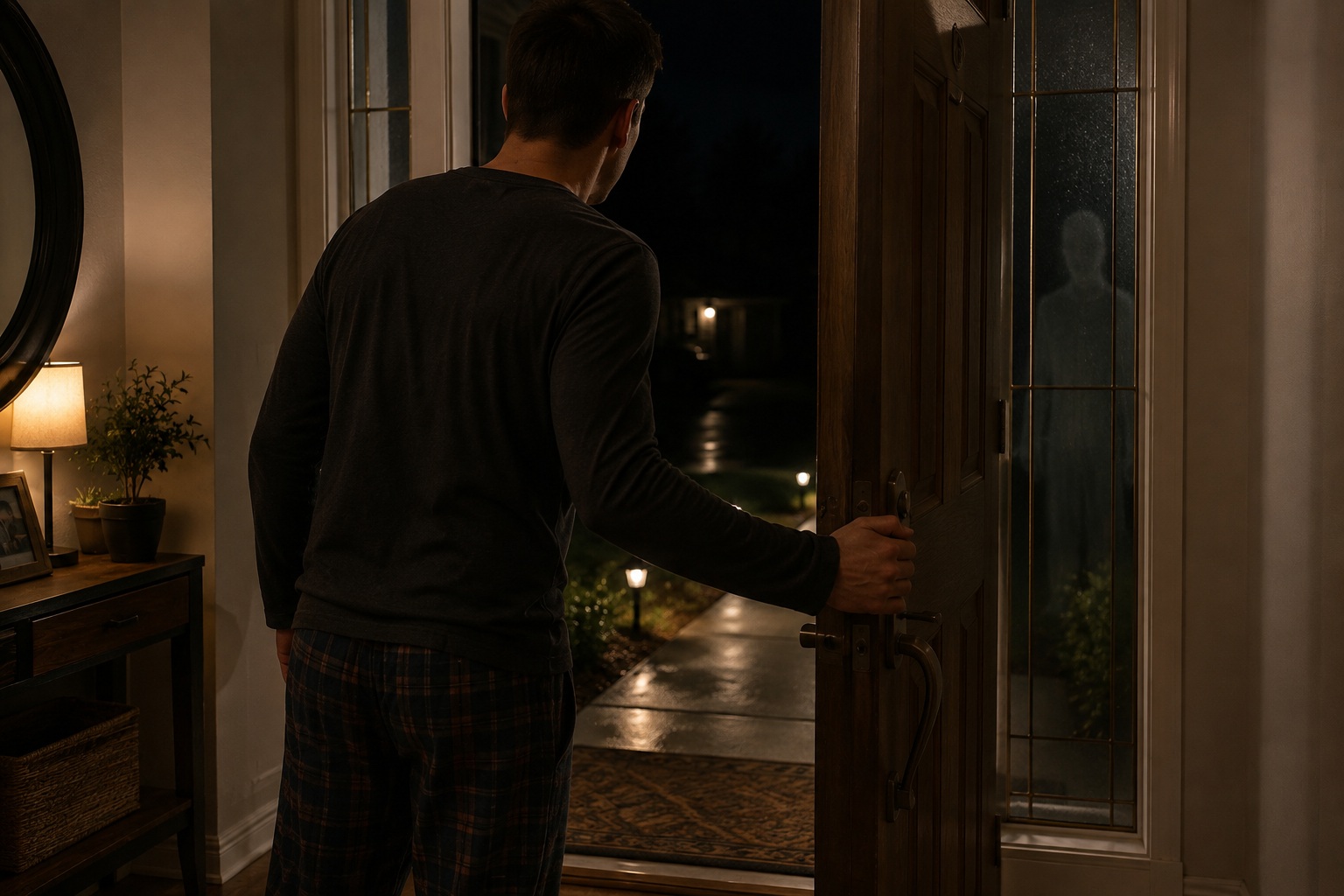
Occasionally, witnesses describe seeing someone standing beyond the edge of the light—but with one unmistakably wrong feature. The figure appears blurred despite standing still. Its face seems featureless. Its posture looks unnaturally straight.
Or it fades into darkness before anyone can focus on it. Those details belong more to traditional ghost stories than technology tales, yet the two have gradually merged in modern storytelling. The impossible notification becomes the invitation. The strange figure becomes the unanswered question.
Why This Pattern Keeps Coming Back
Hundreds of ordinary notifications happen every week. Nobody remembers them. One impossible notification, however, becomes unforgettable because it interrupts expectations in a precise way.
People trust routine. When that routine breaks without an obvious reason, the brain keeps replaying the event while searching for an answer. Even after discovering possible explanations, many witnesses still remember exactly where the phone lay, how dark the hallway looked, and how quickly they reached the front door.
Those memories become sharper because surprise strengthens emotional recall. That does not automatically make every story paranormal. Memory can become stronger without becoming more accurate. People may unintentionally fill small gaps over time, especially after discussing the event with family members.
Even so, the core image remains powerful. A silent house. A phone that should be dead. A doorbell notification that nobody can explain.
Whether readers see these reports as misunderstood technology, mistaken memory, or something stranger, they continue appearing because they combine two things everyone understands. The certainty that a powered-off phone should stay silent. And the uneasy feeling that, for just one moment, someone seemed to arrive at the door when nobody was there.