Documented-culture opening
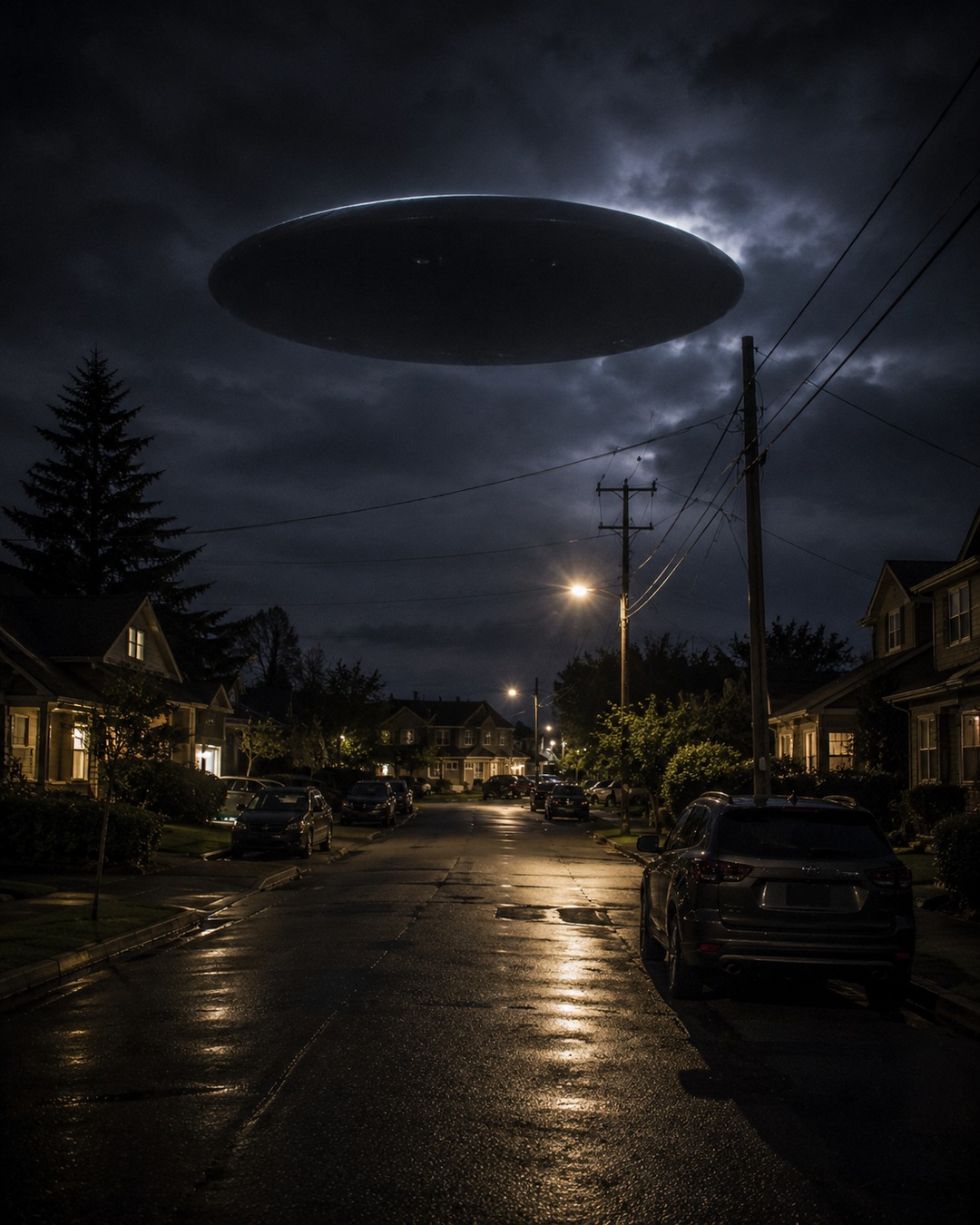
People do not only report lights. They report triangles, discs, cigars, eggs, boomerangs, spheres and rectangles. The shape becomes the memory’s anchor: not just something bright in the sky, but something with a form that felt built.
Short answer
UFO shape reports mix observation, culture, perspective and uncertainty. Some shapes may come from aircraft silhouettes, drones, balloons, clouds, reflections, lens effects or formations of lights. Others remain unidentified because the witness saw too little, too briefly, or under poor viewing conditions. Shape language is useful, but it is not proof of origin.
Why shape is harder than it sounds
At night, people often infer a body from lights. Three points become a triangle. A bright oval becomes a saucer. A long cloud edge becomes a cigar. In daylight, haze, speed, viewing angle and lack of scale still matter. A witness may accurately report the impression while the actual object remains uncertain.
Ordinary explanations to check first
Check aircraft angle, drones, balloons, sky lanterns, advertising blimps, satellites, contrails, cloud edges, reflections through glass and camera artifacts. Consider whether a solid outline was actually seen or whether lights suggested one.
How famous UFO shapes became cultural categories
After twentieth-century UFO publicity, terms like saucer, disc and cigar became part of popular vocabulary. Later black-triangle reports built their own category. These terms help organize reports, but they can also shape what later witnesses expect to see.
What makes a shape report stronger?
Duration, daylight, multiple independent witnesses, known viewing direction, stable video with foreground references, and separation from window reflections all help. The strongest report says what was directly seen and what was inferred.
Triangles, saucers, cigars and spheres
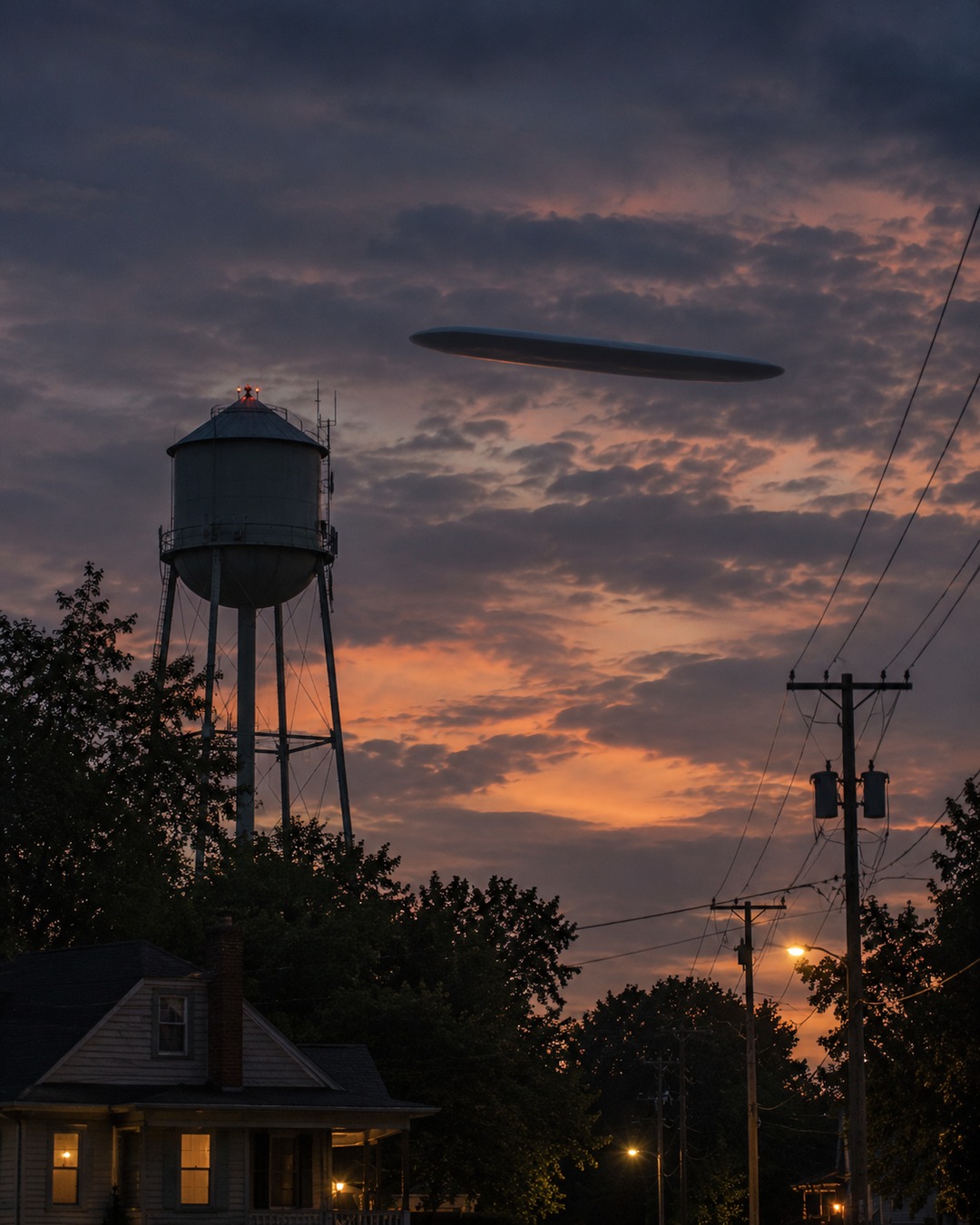
Each shape category carries its own history. Saucers and discs became cultural shorthand after early modern UFO reporting. Cigar-shaped objects often describe elongated forms seen in profile, sometimes with no visible wings. Triangles may be true silhouettes, inferred bodies connecting three lights, or aircraft seen from unusual angles. Spheres and orbs often blur the line between object, light and camera effect.
Shape versus light pattern
A witness may see a solid outline, or may infer one from lights. That distinction should be explicit. Three lights do not automatically prove a triangle. A glowing oval does not automatically prove a saucer. A long dark patch under cloud does not automatically prove a cigar-shaped craft. Preserve what was actually seen, and do not upgrade an impression into a vehicle.
Why cultural language matters
People describe the unknown with available words. After decades of UFO media, the words saucer, triangle and cigar are already loaded. That does not make witnesses dishonest. It means later descriptions are shaped by earlier stories, news coverage, documentaries and community vocabulary.
A practical shape-report checklist
Record whether the outline itself was visible, whether the sighting happened through glass, how long it lasted, whether lights blinked, whether the object crossed the horizon, whether sound was heard, and whether there were foreground references. The more a shape report includes geometry, duration and context, the less it depends on imagination.
What makes shape evidence stronger?
Daylight, multiple witnesses, video with horizon references, independent angles and clear separation from known aircraft or balloon activity all help. Shape categories are useful filing tools. They are not conclusions.
Shape reports and documented UFO history
Government and archive sources show that people have reported unusual aerial objects for decades, but the archive does not turn every later sighting into the same phenomenon. It gives context. Some historical reports were explained. Some remained unidentified. Some were described with shape language that later became part of UFO culture.
That is why this guide treats shape as vocabulary, not verdict. A saucer report, triangle report or cigar report should be sorted by what the witness actually saw: body, light pattern, silhouette, reflection, cloud form, or camera artifact.

How to write down a shape sighting
Sketch the object immediately. Mark the direction of travel, horizon, lights, apparent outline and whether the shape blocked stars or clouds. Note whether you were looking through a windshield or window. If recording video, include surroundings. A shape with context is far more useful than a zoomed-in blob.
A Shape-Sighting Checklist
Write down what was directly visible. Was there a solid outline, or only lights? Did the object block stars or clouds, or was the dark area inferred between bright points? Was the sighting through a windshield, window, phone screen or camera lens? How long did the shape remain visible, and did it cross a horizon or pass behind a fixed object?
A quick sketch made immediately after the event can be more useful than a polished memory later. Mark the direction faced, the apparent path, the lights, the outline and the foreground references. A report that clearly separates observed outline from inferred geometry is much stronger than one that upgrades every light pattern into a craft shape.
Shape Categories Should Narrow the Question
A saucer report should lead to questions about angle, glare, oval lights and disc-like silhouettes. A cigar report should lead to questions about profile view, cloud edges, aircraft fuselage impressions and elongated balloons. A triangle report should ask whether three lights suggested a body or whether a body was actually seen. The category is useful only if it sharpens the review.
What we can and cannot say
We can describe recurring shape categories and ordinary explanations. We cannot assume a reported shape identifies an unknown craft. Shape is a clue, not a conclusion.
Related Weird Witnessed guides
- Why Ufo Lights Can Look Stationary Silent Or Impossible To Identify
- Why Do Ufo Witnesses Report Missing Time
Sources & Further Reading
- National Archives — Project Blue Book and Air Force UFO records
- NASA — UAP independent study resources
- FAA — Pilot’s Handbook of Aeronautical Knowledge
- National Weather Service — fog and visibility