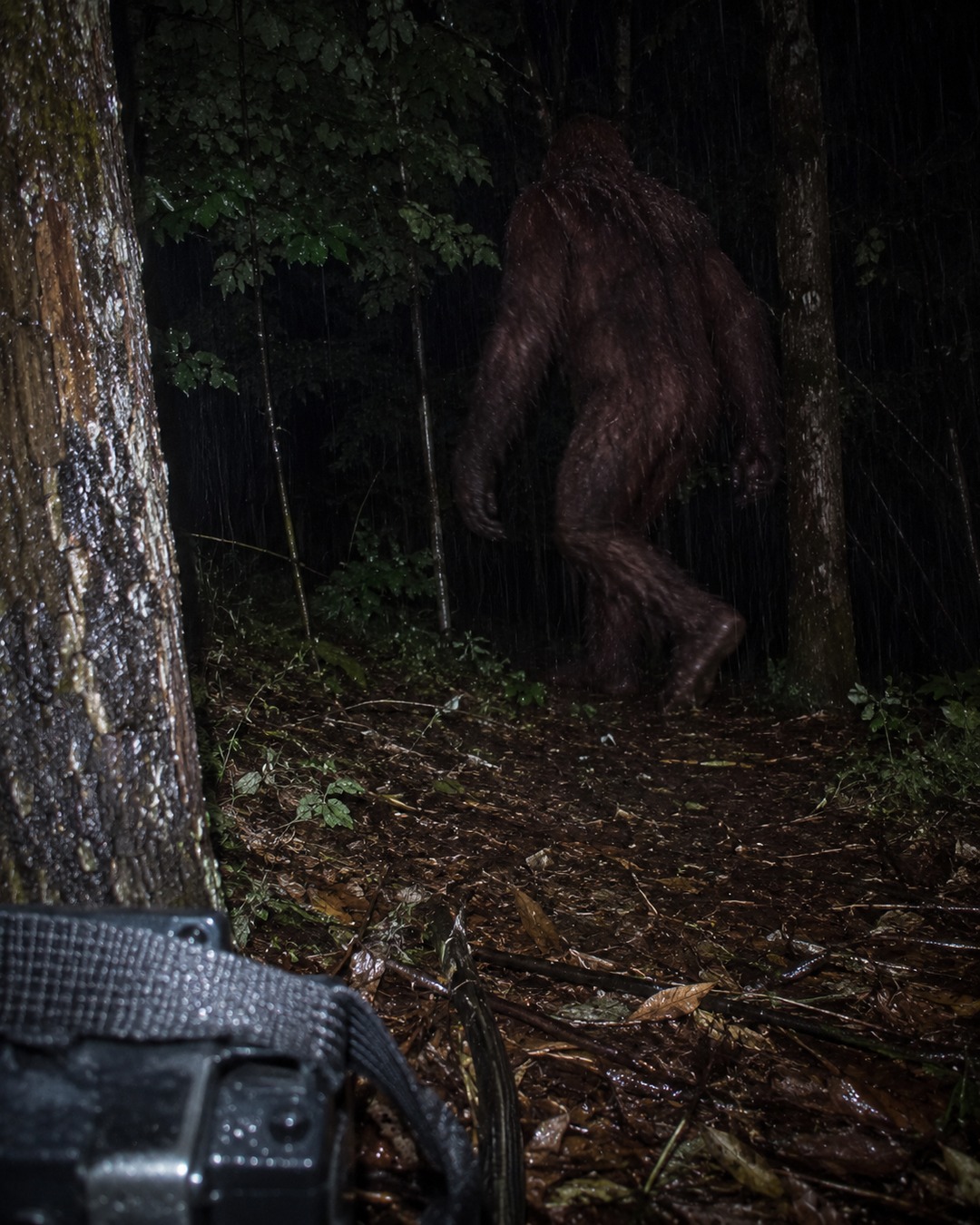
Illustrative reconstruction
The trail camera did what trail cameras do: waited in the dark, woke when something crossed its detection zone, fired infrared light into rain and brush, and saved a few frames that looked more mysterious than the forest itself. In one image, a dark upright shape stood beyond the feeder. In the next, it was already blur.
Short answer
Trail cameras rarely create clean Bigfoot evidence because they are built to detect motion, not solve identity. Infrared illumination, motion blur, low resolution, compression, trigger delay, animal movement, distance, vegetation and poor placement can turn ordinary wildlife or a person into a strange shape. A blurry image can be interesting, but it is not strong evidence without context.
Why trail cameras make mystery shapes
Most cameras watch a fixed zone and react after motion is detected. The first useful frame may arrive after the subject has already moved. At night, infrared flash can overexpose eyes, brighten rain, flatten fur and remove color. A wide lens makes distant animals small. Branches and grass can hide legs. Compression can make a dark body into one solid block.
Ordinary explanations to check first
Check deer, bears, raccoons, hunters, dogs, livestock, people, hanging branches, camera straps, insects, fog, breath, rain and spiderwebs. Bears can stand briefly. People can appear broader in coats or packs. A close insect can look like a large pale form because it is near the lens.
A practical trail-camera review
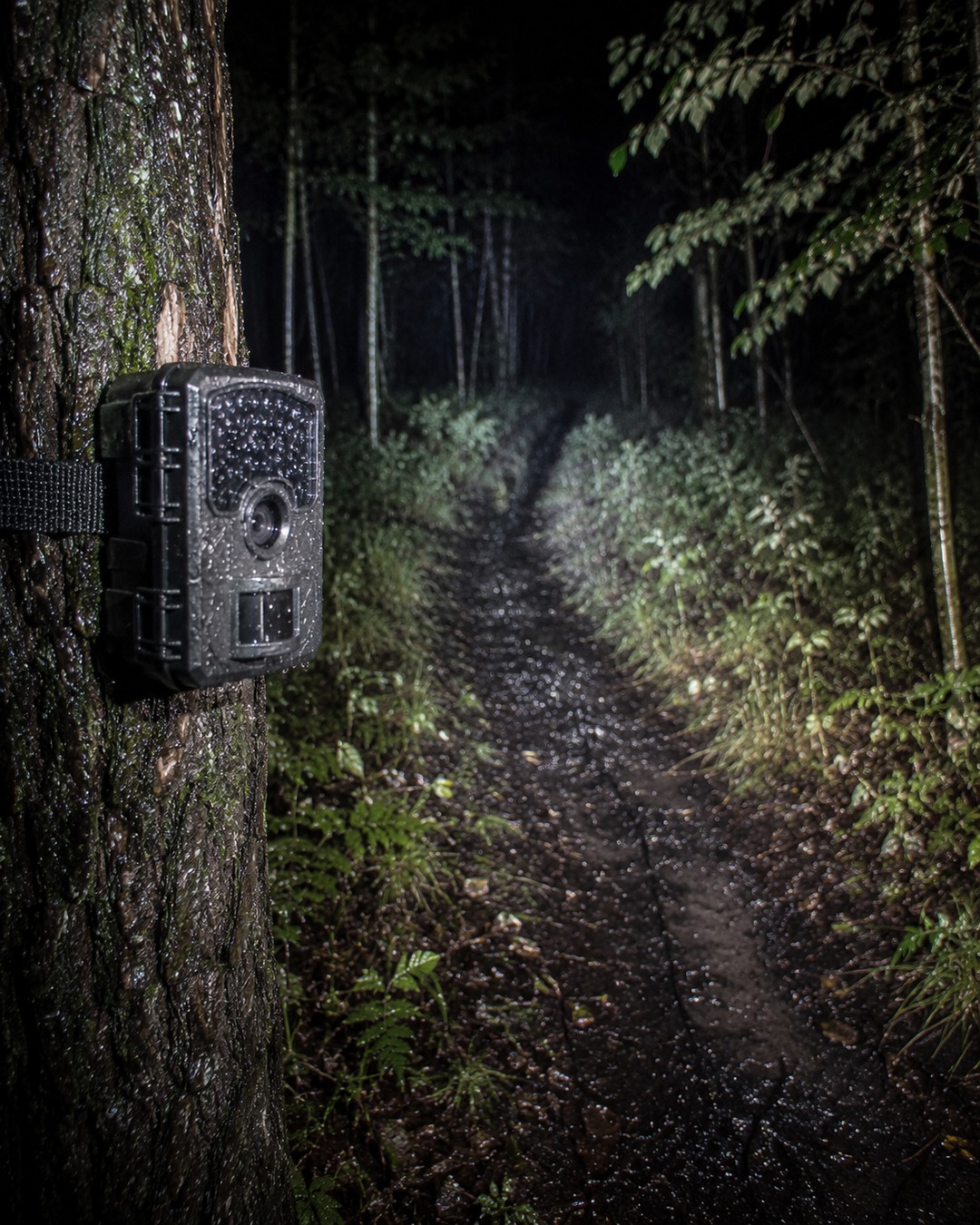
Keep the full image sequence. Note camera model, height, direction, detection settings, moon/weather, bait or feeder placement, and distance to the subject. Return during daylight and photograph the scene from the same angle. If the shape is important, measure trees, feeder height and trail width so viewers have scale.
What would make an image more interesting?
Multiple cameras from different angles, a clear sequence, identifiable scale references, matching tracks or hair with reliable handling, and ordinary animals ruled out would matter far more than one cropped still. Useful scenarios from older Weird Witnessed trail-camera stories — including feeder images, after-hours stills and large dark shapes — are reflected here as review problems, not as proof claims.
Detection zones, trigger delay and missed context
A trail camera usually does not record the whole story. It records the moment after a sensor decides motion has entered the detection zone. If the subject is close, fast or partly hidden, the clearest identifying frame may never exist. The camera may catch a shoulder, a blur, a leg, or the empty space just after something moved through.
That matters for Bigfoot claims because the strangest still is often treated as if the device had calmly observed a full encounter. In reality, the camera may have woken late, exposed for infrared conditions, compressed the result and saved only a few frames. The right question is not only “what does the shape resemble?” but “what did the camera system make harder to see?”
Infrared light changes how bodies look
Night trail cameras often use infrared illumination. IR can make eyes shine, flatten color, brighten fur edges and make wet leaves glow. Animals can look larger when the camera loses fine detail. A deer turning away, a bear rising, a person in dark clothing or a branch close to the lens can become a single broad shape.
Blurry does not mean useless
A blurry image can still preserve useful information: height relative to a feeder, direction of travel, time of night, weather, animal behavior before and after, and whether other cameras recorded the same movement. It becomes weak when it is cropped away from that context. If an image is worth discussing, the full sequence is worth preserving.
How to review a trail-camera claim
Ask for the original file, the full burst, daytime reference images, camera height, distance to the subject, lens angle, trigger settings, weather and whether bait was present. Compare with known animals in the same camera. If the claim depends on size, measure fixed objects in the scene. If the claim depends on posture, look for frames before and after the posture changed.
What would make a trail-camera case stronger?
Multiple cameras, overlapping views, consistent scale, linked tracks, reliable biological material and original files matter more than a single dramatic still. A trail camera can raise a question. It usually cannot answer the question alone.
Why one still frame becomes a legend
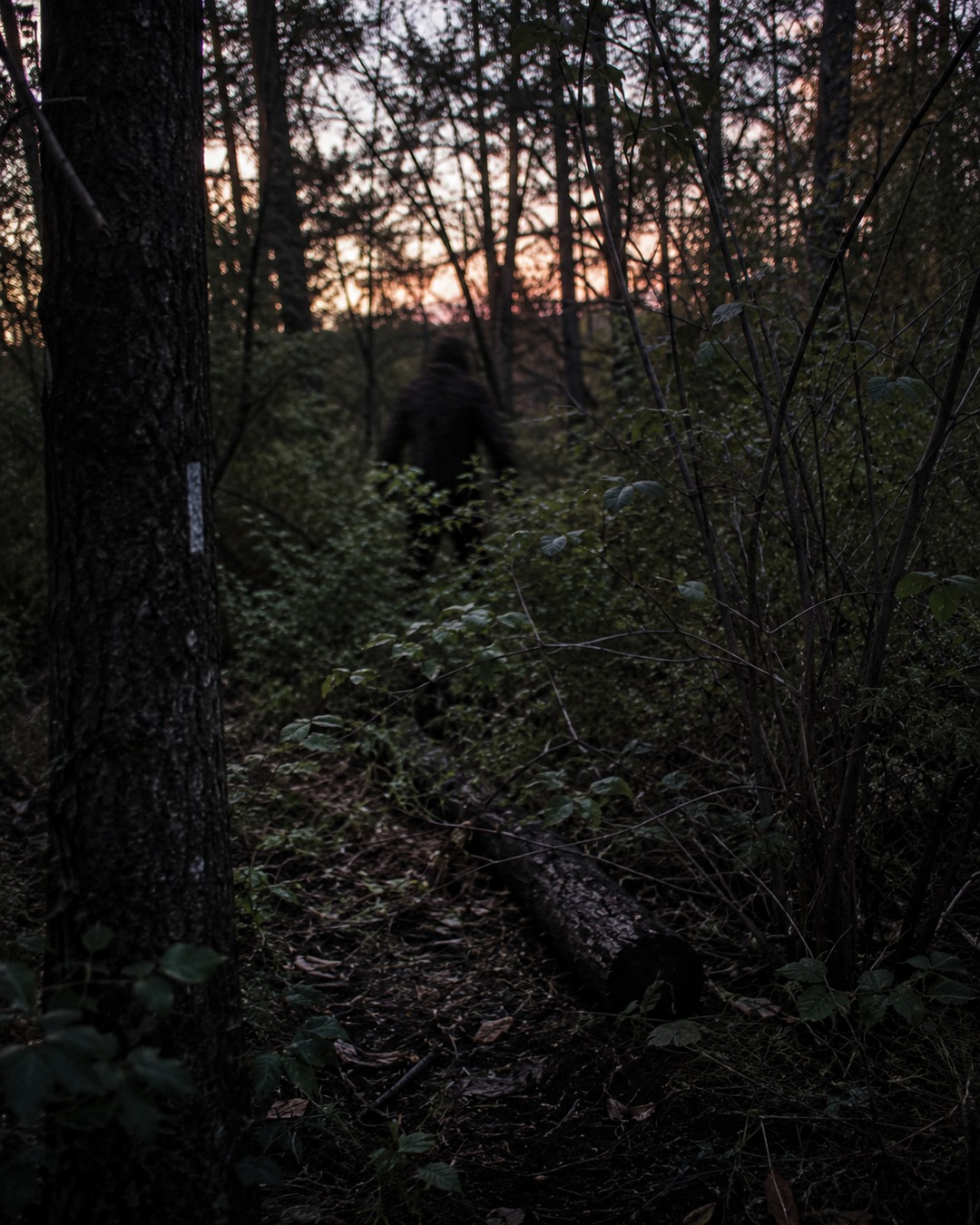
A single frame lets the viewer stare longer than the witness or camera ever did. The forest becomes still. The blur becomes a body. The dark gap between trees becomes an outline. That pause is powerful, but it can also exaggerate certainty. Trail-camera evidence should be read as a sequence first and an image second.
If the frames before and after show deer, raccoons, wind, rain, insects or a person walking near the same path, the strange frame belongs in that context. If the full sequence is missing, the case is weaker even when the single image is creepy.
Best practices for future evidence
Use more than one camera when possible. Place one camera wide and one closer. Avoid pointing directly into reflective brush. Include fixed objects for scale. Keep original files and do not crop first. Photograph the camera setup in daylight. These ordinary habits make any later claim easier to evaluate.
A Trail-Camera Evidence Checklist
A creepy frame becomes more useful when the original sequence, camera position and scale references survive. Keep the untouched file, the full burst before and after the strange frame, the camera height, the direction it faced, the distance to the subject, daylight recreation shots and any fixed objects that can be measured.
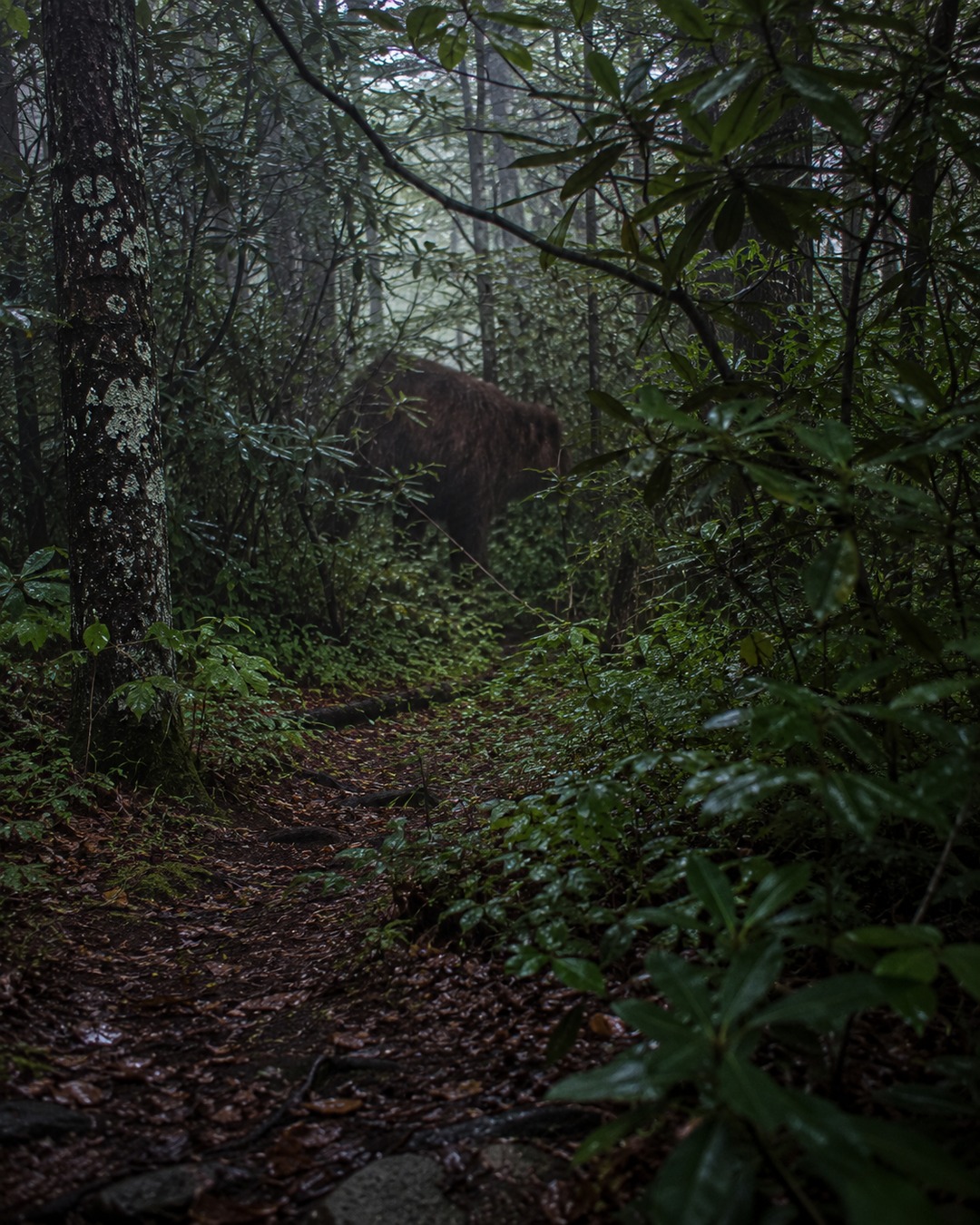
Pixel density matters. A dark figure that fills only a few dozen pixels cannot carry the same weight as a close, well-lit subject. Compression matters too: many trail-camera apps and social uploads smooth fur, bark and brush into blocky shapes. The strongest review keeps the rawest version available and compares it with known animals photographed by the same camera.
Multiple Viewpoints Beat One Dramatic Still
A second camera angle can separate a standing bear from a person, a tree shadow from a moving body, or a close insect from a distant figure. If only one camera exists, the next best evidence is scene reconstruction: stand a person at measured distances in daylight, photograph the feeder, trees and trail, and compare size without cropping away the environment.
Battery Failure And Missing Context
Some Bigfoot trail-camera reports mention a dead battery, a camera that failed to wake, or one strange frame followed by equipment failure. That detail can make the story feel more mysterious, but it should be treated as an evidence limitation rather than evidence of a creature. A failed camera means there is less information to evaluate, not more.
Ordinary causes should be checked first: cold weather, old batteries, moisture, corrosion, loose contacts, repeated false triggers, high video settings, infrared use, low-quality cells, storage damage, firmware problems or animals bumping the housing. The useful question is not whether a dead battery proves anything. It is whether the remaining image, placement, timing, weather and maintenance record are strong enough to support any claim at all.
What we can and cannot say
We can say trail cameras are useful wildlife tools and also imperfect witnesses. We cannot say a dark figure in one frame proves Bigfoot. The better standard is whether the image survives scale, sequence and ordinary-animal checks.
Related Weird Witnessed guides
- Bigfoot Footprints What Investigators Look For In Tracks
- Bigfoot Sounds Wood Knocks Howls Whistles Breathing Silence
Related: For sightings that happen without clear images, see Bigfoot Sightings Explained.
Sources & Further Reading
- Smithsonian eMammal — camera-trap biodiversity project
- National Park Service — watching wildlife responsibly
- Axis Communications — image usability in surveillance
- National Wildlife Federation — black bear natural history