The fire tower trail photo would be easy to dismiss if it were only a dark blur in the trees. Most blurry trail photos deserve that first reaction.
Branches move. People turn at the wrong moment. Phone cameras flatten distance and turn ordinary shadows into tall shapes. A hiker looking uphill through late afternoon light can photograph almost anything and find a figure later.
But the recreated scene around this image did not depend only on the blurry shape. It depended on where the shape appeared, what the trail was doing at that point, and why the surrounding vegetation looked recently disturbed.
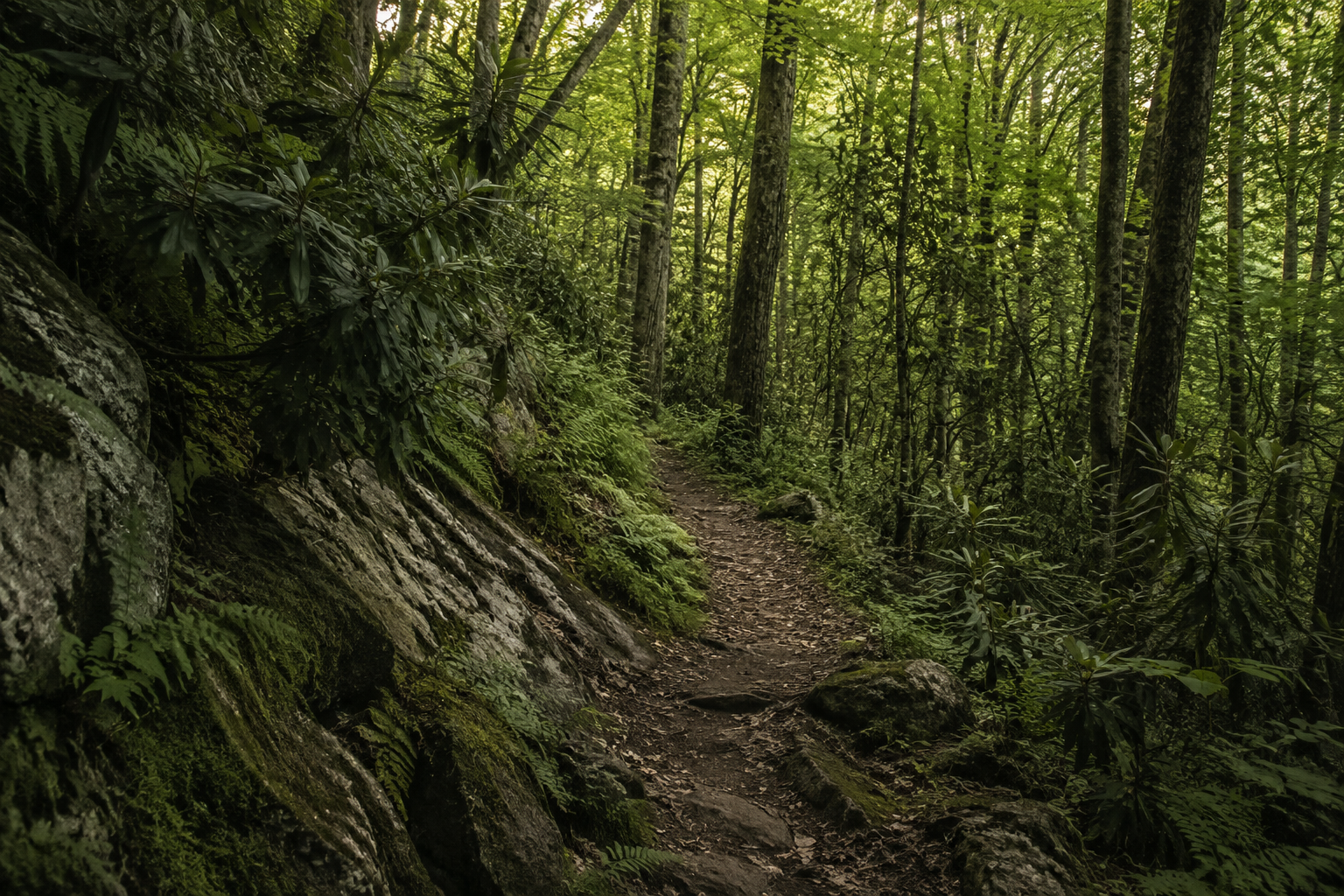
The photo was reportedly taken on an old fire tower route, the kind of steep public trail that climbs through ferns, second-growth timber, and long switchbacks before reaching a weathered lookout structure. The hiker was not trying to document a creature. They were taking a progress photo of the bend ahead.
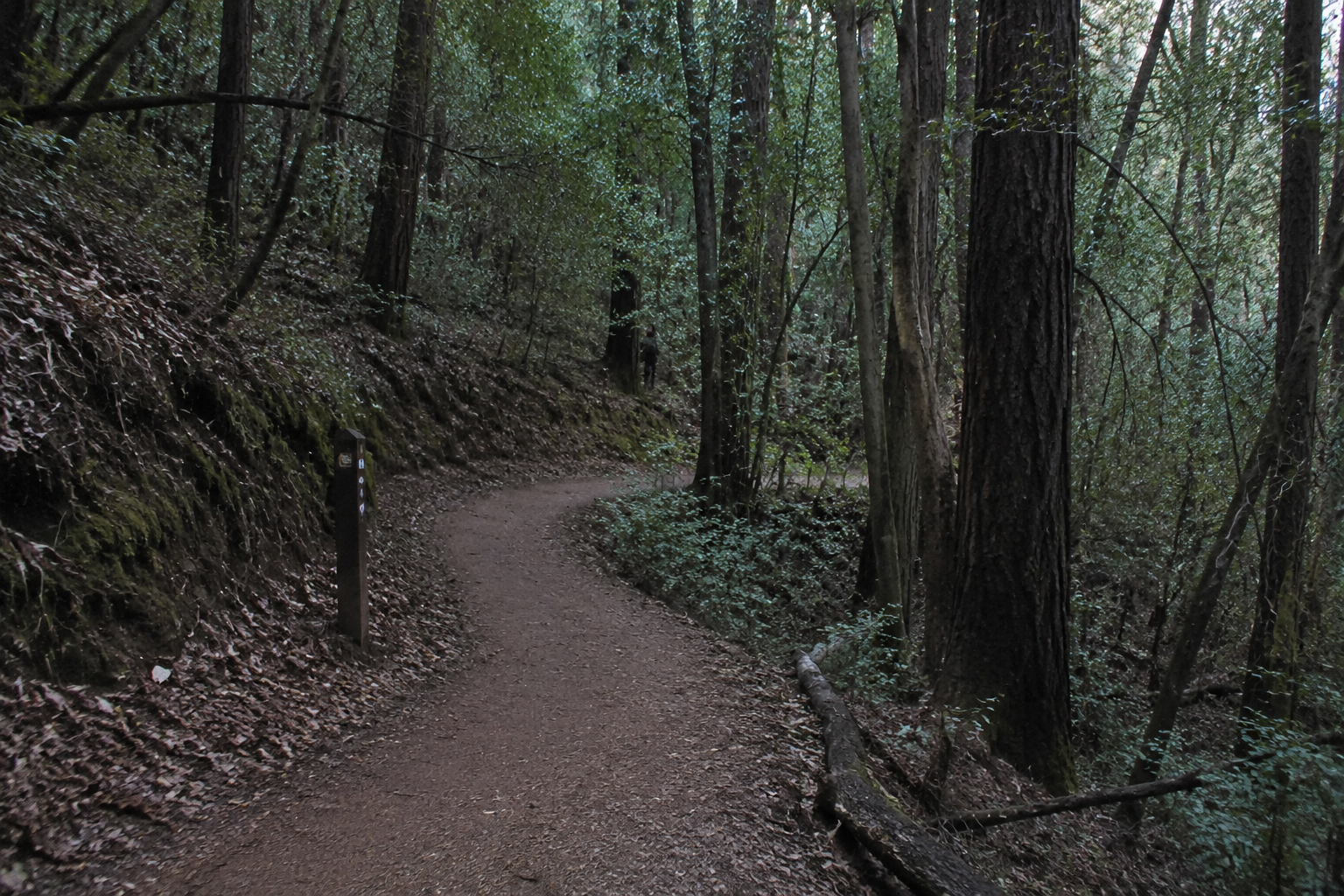
Only afterward did someone notice a dark upright form beyond the switchback, partly screened by leaves, angled away from the trail.
WHAT THE TRAIL PHOTO IS SAID TO SHOW
- A dark upright blur beyond a fire tower trail switchback.
- A break in the fern line leading away from the maintained path.
- Nearby trail markers that give rough but imperfect scale.
- No clear face, no noted footprints, and no a detail people read as Sasquatch.
- A setting where a person, bear, stump, or camera artifact could still explain the image.
1. The Shape Was Not Centered Like a Planned Sighting
One reason the image caught local attention is that the possible figure was not framed dramatically. It was not centered in the path or placed in a perfect gap between trees. It appeared off to the side, almost as if the camera caught the wrong part of a moment.
That can be a point in favor of authenticity, but only in a limited sense. Accidental framing does not prove the subject is unusual. It only suggests the photo was not obviously composed around the shape.
The dark blur sat beyond that bend, not directly on the walking line. It looked close enough to belong to the scene but far enough away that details were gone.
2. The Switchback Gives the Photo a Built-In Scale Test
Scale is where many trail photos fall apart. A dark shape can look seven feet tall until someone realizes it is a stump three yards away. Without reliable distance, height impressions are mostly guesses.
The fire tower trail photo had a few helpful anchors. The switchback cut across the hill at a known width. A trail marker post stood near the bend. Several tree trunks lined the far edge, and the path itself gave a sense of grade.
None of that produces a measurement. Lens distortion, slope, and unknown distance can still fool the eye. But the anchors make the image more discussable than a random forest blur.
Viewers compared the shape to the marker and surrounding trunks. Some felt it looked taller and broader than a hiker wearing a pack. Others argued that the slope made it appear enlarged.
The cautious position is that both readings are possible. The trail provides context, not certainty.
3. The Fern Line Looked Broken Beside the Bend
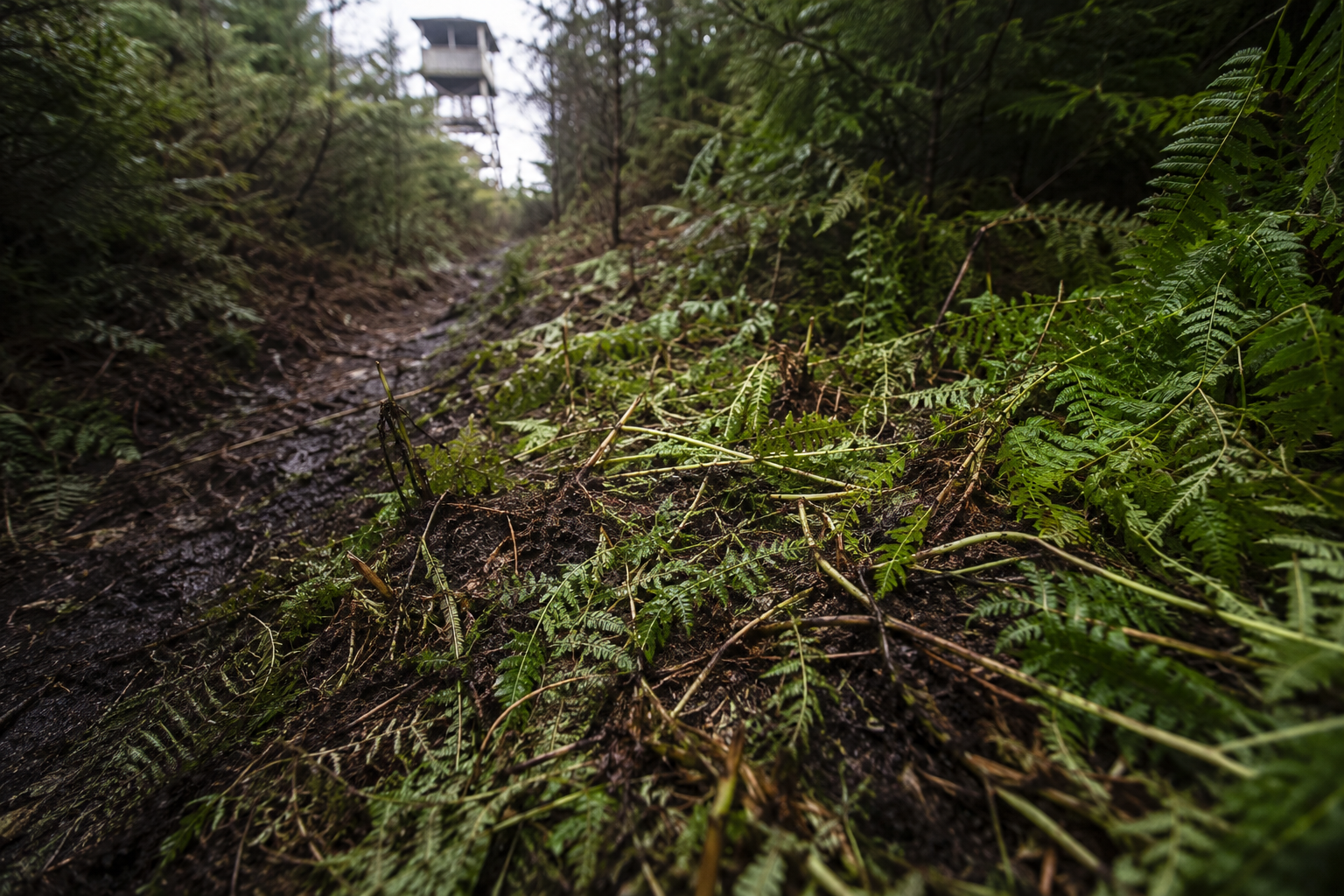
The most interesting detail may not be the figure at all. It is the small opening in the fern line near the far side of the switchback.
According to the account, a strip of ferns appeared bent or parted where the dark shape seemed to be leaving the maintained trail. It was not a wide animal path. It was more like a narrow pressed route angling downhill through the green growth.
That detail has several normal explanations. Hikers cut switchbacks even when signs tell them not to. Deer make low paths through ferns. Rain and runoff flatten plants. A fallen branch can create the appearance of a track from the camera angle.
But paired with the upright blur, the fern break gave the story movement. The shape did not look like a stump waiting in one place. It looked like something had stepped off the trail and into cover.
That impression may be wrong. It may be the brain connecting unrelated details. Even so, it is the kind of environmental clue that turns a blurry photo into a local argument.
4. The Timing Made a Human Explanation Possible but Not Simple
The photo was reportedly taken late enough in the day that most casual hikers were already descending, but not so late that the trail was empty. That timing matters because a person remains one of the strongest explanations.
A tall hiker in dark clothing could have left the trail for privacy, a shortcut, or a better view. A backpack can widen the shoulders. Trekking poles and shadows can merge into a strange outline.
However, witnesses in the account said the trail was quiet, with no voices, footfalls, or gear sounds nearby. That does not eliminate a person. Forested slopes swallow sound in strange ways, especially around bends and ridges.
It makes the hiker’s later reaction understandable. If you believe you were alone and later see a shape in your photo, the ordinary explanation still works, but feels less satisfying.
5. A Bear Could Explain More Than People Want to Admit
Any Bigfoot-style trail photo in bear country has to take bears seriously. A black bear standing, turning, or climbing through brush can create a surprisingly human silhouette for a fraction of a second.
Bears also disturb ferns. They leave side paths. They use hiking trails because trails are easier than thick understory. A bear partly hidden by leaves can look upright and heavy without being upright for long.
The main challenge is posture. The shape in the fire tower trail photo was reportedly vertical enough that some viewers resisted the bear explanation. But a still photo freezes motion and removes the before and after. A bear rising, twisting, or stepping onto uneven ground can become a tall dark column.
The cautious reading should keep bear on the list unless the location makes it impossible. Many unusual woods photos become less mysterious when one remembers how briefly animals can resemble people.
6. The Old Fire Tower Adds Atmosphere Without Adding Proof
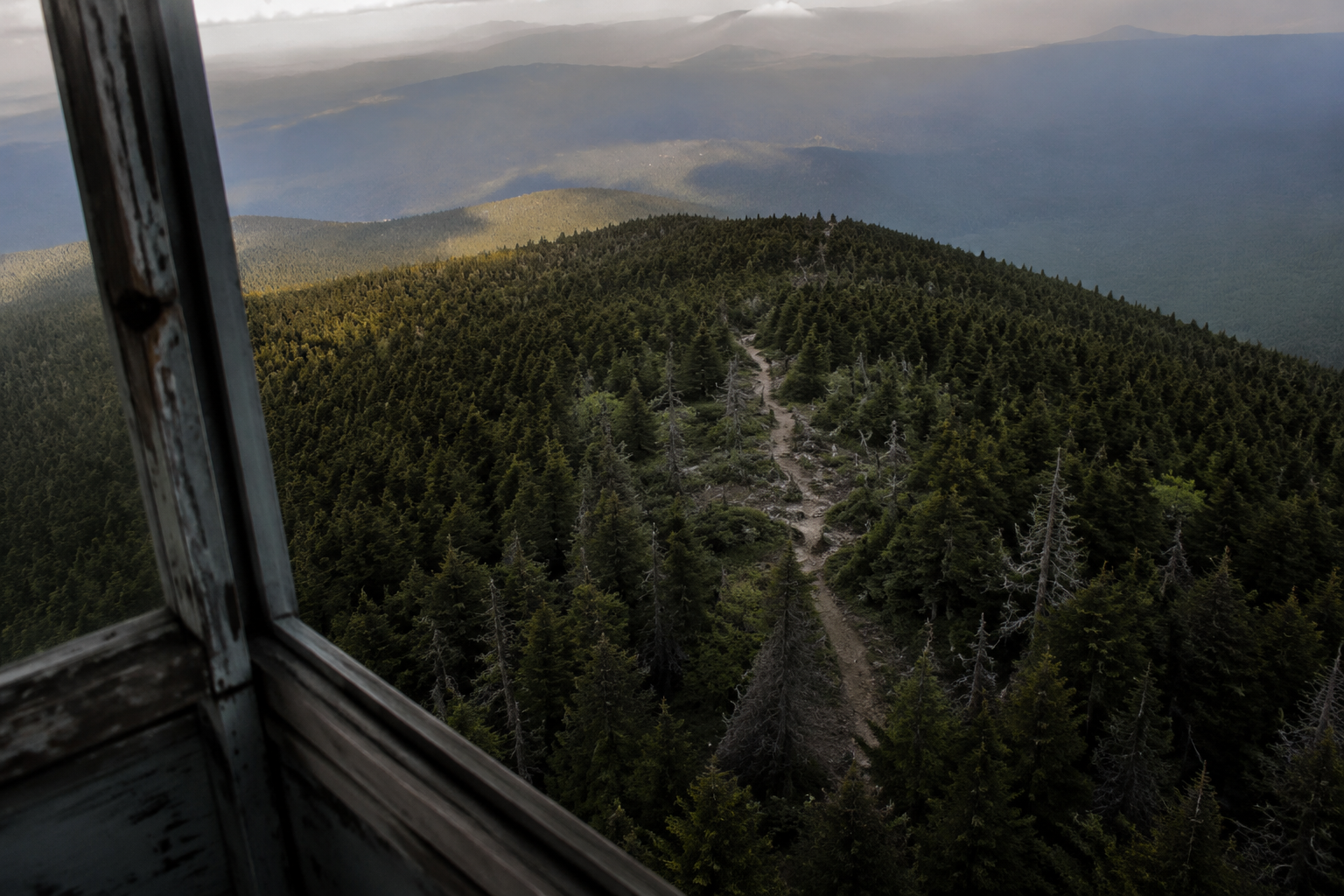
Fire tower trails have a built-in folklore quality. They lead upward. They pass through older forest cuts and quiet service paths. They end at structures designed for watching the woods from above.
That atmosphere can make a normal photo feel more important than it is.
The lookout in this account reportedly sat on a ridge where hikers sometimes heard knocks, distant movement, or what they described as heavy steps below the platform. Those details are familiar in Sasquatch storytelling, but they are also common in ordinary forests. Woodpeckers knock. Trees pop. Acorns fall. Sound travels oddly up slopes.
The tower setting should not be treated as evidence. It should be treated as context. It explains why people were already willing to look twice at an ambiguous trail photo.
7. Why the Blur Alone Is Not Enough
The dark shape has the usual problems. It is not sharp. It has no visible face. The edges are softened by leaves and motion. The lower portion blends into the shadowed slope. There is no sequence of frames showing entry or exit.
If the original file is unavailable, if distance cannot be measured, and if no tracks were documented immediately afterward, the image stays in the category of interesting but unresolved.
The best case for the photo is not that the blur is unmistakable. It is that the blur appears in a location where several other details seem to point in the same direction.
8. Why This Fire Tower Trail Account Still Feels Different
The photo remains memorable because it gives viewers a small puzzle instead of a single claim. The switchback shows where the camera was aimed. The marker and trunks offer scale. The fern break suggests movement. The timing leaves room for a person but does not force one.
A skeptic can explain every piece. A person stepped off trail. A bear moved through ferns. A stump and shadow lined up behind leaves. The phone blurred the scene and the viewer supplied the shape.
Those explanations are reasonable.
But the local fascination comes from the way the pieces sit together. The figure is not just in the forest. It is beside a trail feature, near a disturbed edge, at the point where someone or something could leave the human route and disappear downhill.
That is why the image became more than a blurry shape to the people who shared it.
It does not prove a Sasquatch was on the fire tower trail. It does not even prove the photographer captured an animal. What it shows is how a modest trail photo can become compelling when the background starts acting like evidence.
Maybe the blur was a hiker. Maybe it was a bear. Maybe it was a dark stump made taller by distance and expectation.
But if you look past the shape and follow the trail, the story becomes clearer: the mystery is not only what stood there. It is why the woods around it seem to show a way out.
Reader Context
This Weird Witnessed story is an editorial reconstruction, written as eerie visual storytelling rather than a verified report. For more context, see Bigfoot and Sasquatch Stories Guide and How WeirdWitnessed Creates Reconstructed Horror Stories.