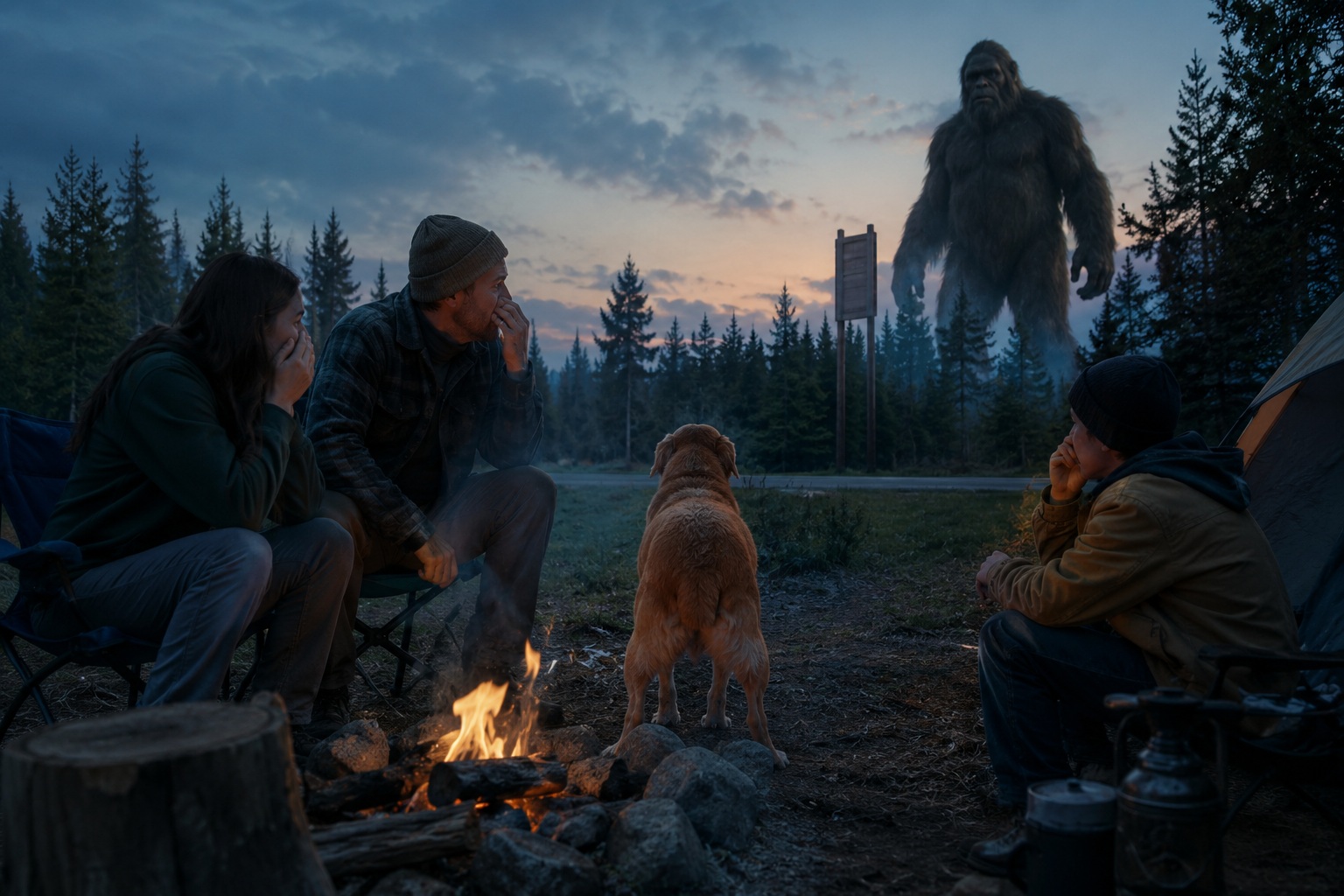
The first thing the campers noticed was not a sound. It was the smell.
One minute the forest smelled like wet pine, cold earth, and yesterday's campfire. The next, the air changed so suddenly that everyone looked up at the same time. One person described it as rotten garbage left in the summer sun. Another said it smelled like a soaked dog that had been sleeping inside an old hunting cabin for weeks. Someone else simply covered their nose and asked if something had died nearby.
The strange part was how quickly it arrived. There was no breeze carrying it from far away. It seemed to appear all at once, hanging between the trees as if something invisible had stepped into the clearing. Even the family dog stopped sniffing the ground. It lifted its head, stared into the woods, tucked its tail, and quietly backed toward the fire.
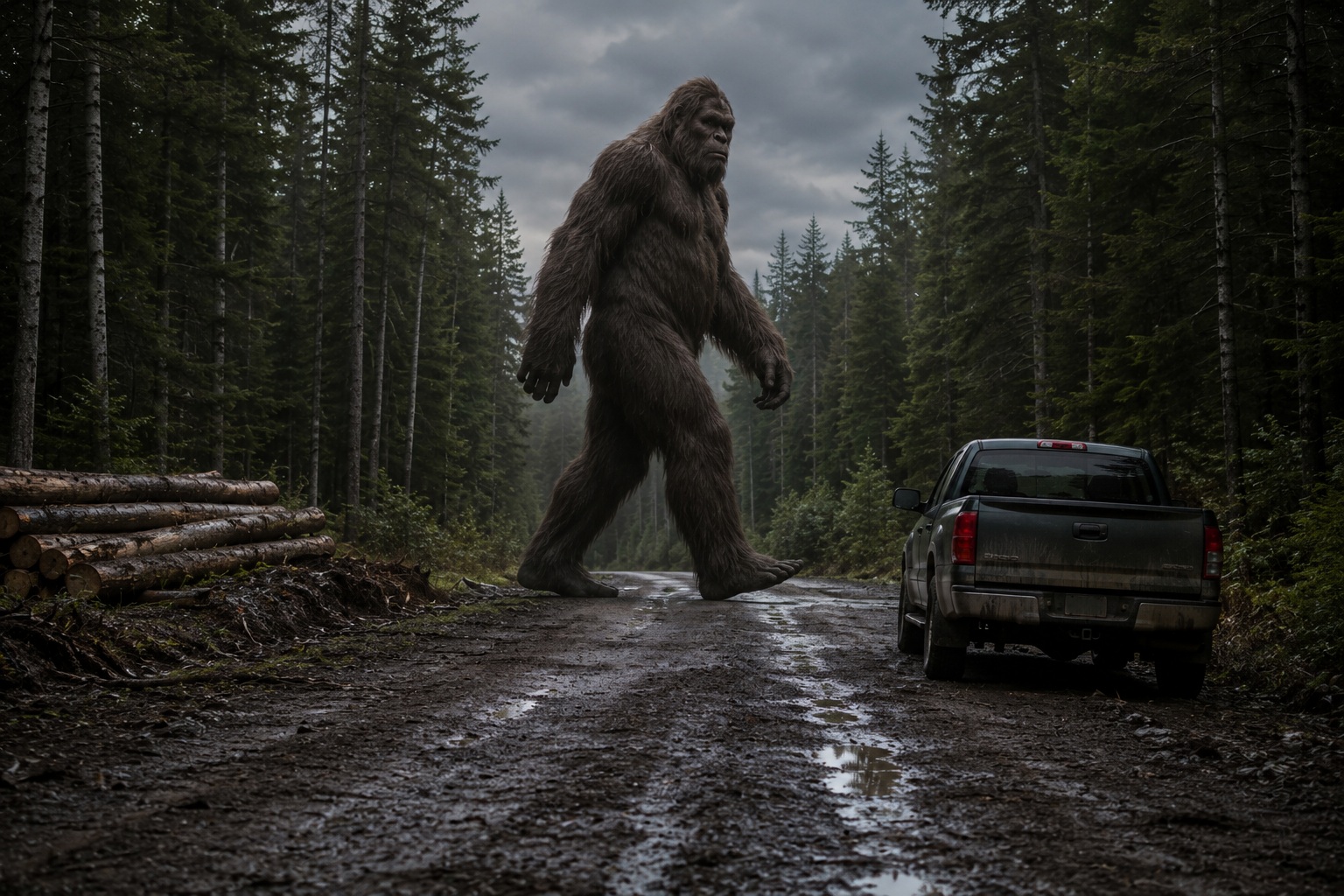
Only then did someone notice movement. Far beyond the last line of trees, something huge crossed a narrow logging road in three slow steps. It was covered in dark brown hair, broad across the shoulders, and tall enough that its head passed above a roadside warning sign before disappearing into the forest again.
The First Time It Happened
Stories like this appear again and again wherever people talk about Bigfoot. Before anyone mentions footprints, huge shapes, or impossible size, many witnesses first describe an overwhelming smell. Why does that detail show up so often, and why has it become one of the most recognizable parts of Bigfoot stories?
The smell often arrives before anyone sees anything Many Bigfoot reports follow an unusual order. People do not begin by saying they spotted a giant hairy figure. Instead, they describe the air changing.
Some compare it to rotting animals. Others mention sewage, damp fur, mold, or garbage left in the heat. A few combine all of those descriptions into one impossible smell that they insist was unlike anything they had experienced before. The important part is not exactly what it smelled like.
It is that nearly everyone describes it as sudden. The forest can smell different after rain, near a swamp, or around dead animals. Those smells usually build gradually as people walk. In many Bigfoot stories, witnesses say the change happened within seconds. One moment everything smelled normal.
The next moment it did not. That sudden shift creates tension before anyone even begins looking around. Once people become alert, every sound seems louder, every shadow looks deeper, and every movement between trees becomes easier to notice. Whether someone believes the stories or not, that sequence makes psychological sense, which may explain why readers remember it so well.
Why This Pattern Feels So Specific
Why a strange smell makes the story feel more believable A smell is difficult to ignore. People expect ghost stories to include cold rooms or strange sounds. They expect UFO stories to mention unusual lights.
Bigfoot stories often add another sense entirely. That extra detail makes the experience feel larger than simply seeing something at a distance. Witnesses often describe stopping their conversation because of the smell before they even understand why they stopped talking. Several people may notice it at once.
Someone asks whether an animal died nearby. Another checks the campsite trash. Someone else walks around looking for a dead deer. Those ordinary reactions make the story feel grounded because they are exactly what most people would do.
Nobody immediately says, "It must be Bigfoot." They search for normal explanations first. Only after finding nothing unusual do they begin connecting the smell with the huge figure they later thought they saw. That order appears in many different versions of the story.
The Detail That Makes People Stop
The smell comes first. The search for a normal cause comes second. The strange sight comes last. What people usually check before they start telling a Bigfoot story
One reason these stories spread is because they include familiar behavior. People rarely run straight into the woods. They start checking obvious things. They look for spoiled food around camp.
They inspect coolers. They ask whether the wind changed. Hunters sometimes wonder whether a bear passed nearby. Hikers search for a dead animal hidden under bushes.
Parents often call children closer without explaining why. Dog owners pay attention to their pets. Many stories include dogs refusing to move forward, whining, or staring into thick trees without barking. Some witnesses mention birds suddenly becoming quiet.
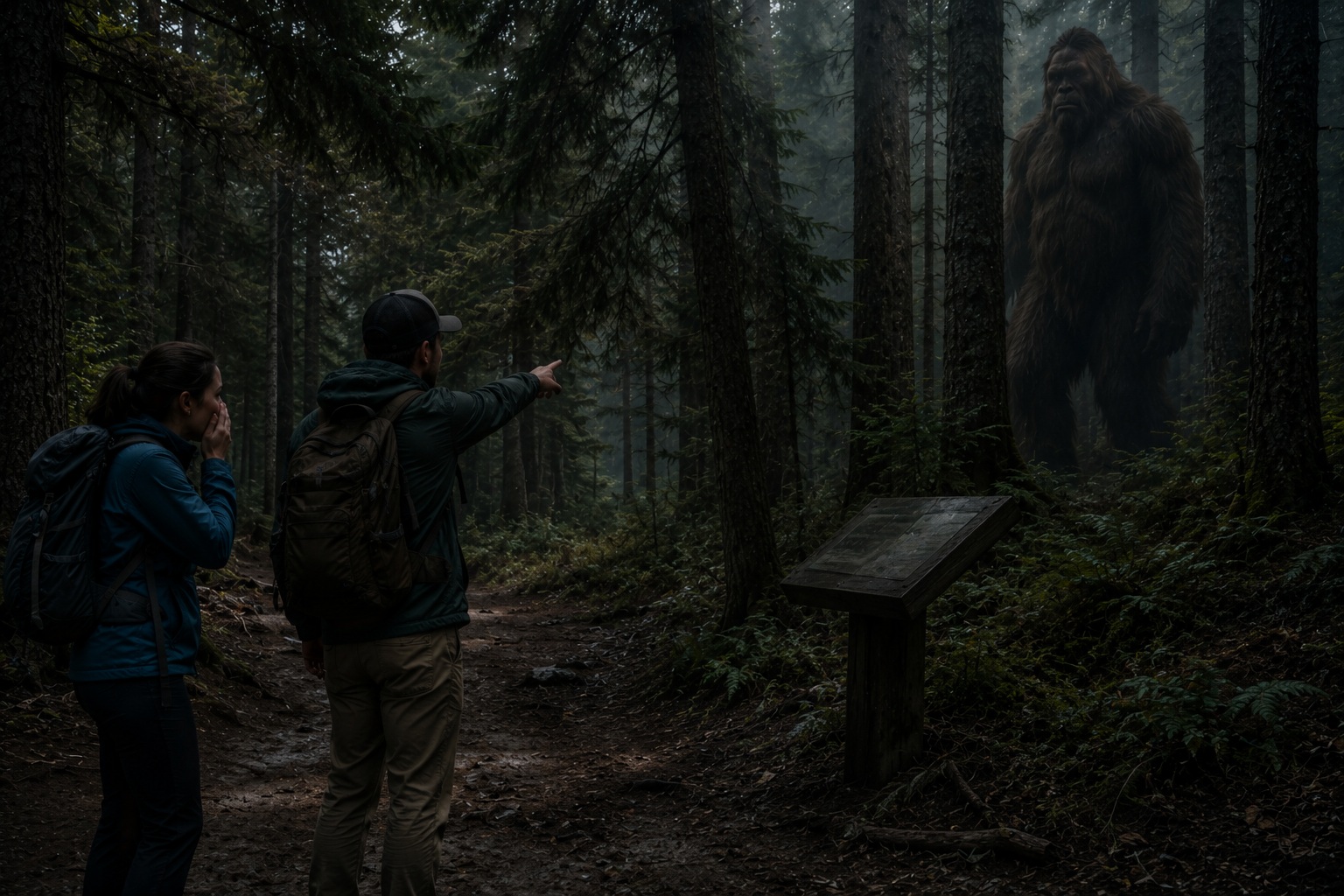
Others remember insects seeming strangely absent for a short time. Not every story includes those details. But the pattern stays surprisingly similar. People spend several minutes trying to explain the smell before they begin wondering if something else caused it.
Ordinary Explanations People Check First
That delay creates suspense naturally. Readers know something unusual may be coming long before the witnesses do. Could there be ordinary reasons for the smell? There are plenty of normal explanations that can create powerful odors in forests.
Dead animals. Standing water. Marsh gas. Rotting plants.
Animal dens. Even changing weather can move smells into places where they were not noticeable a few minutes earlier. Large animals also have strong natural scents. Anyone who has spent time near bears, wild pigs, or other large mammals knows they can leave a noticeable smell behind.
Those possibilities are worth considering first. That is exactly what many witnesses say they did. The interesting part is that some people report finding none of those normal sources. They searched nearby and came back empty-handed.
The Moment It Became Harder To Ignore
That does not automatically make the story mysterious. Forests hide smells remarkably well. A dead animal can remain invisible only a short distance away. Wind also changes direction constantly.
Still, because people often describe checking first instead of jumping to conclusions, the smell remains one of the most discussed parts of these stories. It feels like something they experienced before anything unusual appeared. Why the smell changes how people remember the encounter Our brains remember unusual sensory experiences.
Most people can easily recall the smell of smoke, fresh rain, gasoline, or a hospital hallway years later. Strong smells become attached to emotional memories. If someone believes they saw a huge unknown figure only moments after smelling something unforgettable, those two memories may become permanently linked.
Later, when telling the story, the smell becomes the opening chapter. Instead of saying, "I saw something." They say, "First the forest smelled wrong." That detail also gives listeners a way to imagine themselves there.
Why People Avoided That Spot Later
Almost everyone knows what rotten garbage smells like. Almost everyone knows the smell of a wet dog. Those familiar experiences make the unknown feel surprisingly close. The witness does not need complicated descriptions.
They simply describe the smell. The audience fills in the fear. That is one reason this pattern survives across generations. It gives the story texture.
Instead of one strange moment, there is a sequence that builds naturally from ordinary life into something unsettling. Other strange details that often appear alongside the smell The smell is rarely the only detail witnesses remember. Many stories also describe impossible size.
People compare the figure to road signs, pickup trucks, trail markers, or tree branches. Those familiar objects help explain just how enormous the shape appeared. Witnesses often describe silence immediately afterward. Birds stop calling.
The forest feels empty. Even flowing water seems unusually loud because everything else has become quiet. Some reports mention heavy footsteps. Others describe slow movement rather than running.
Why This Pattern Keeps Coming Back
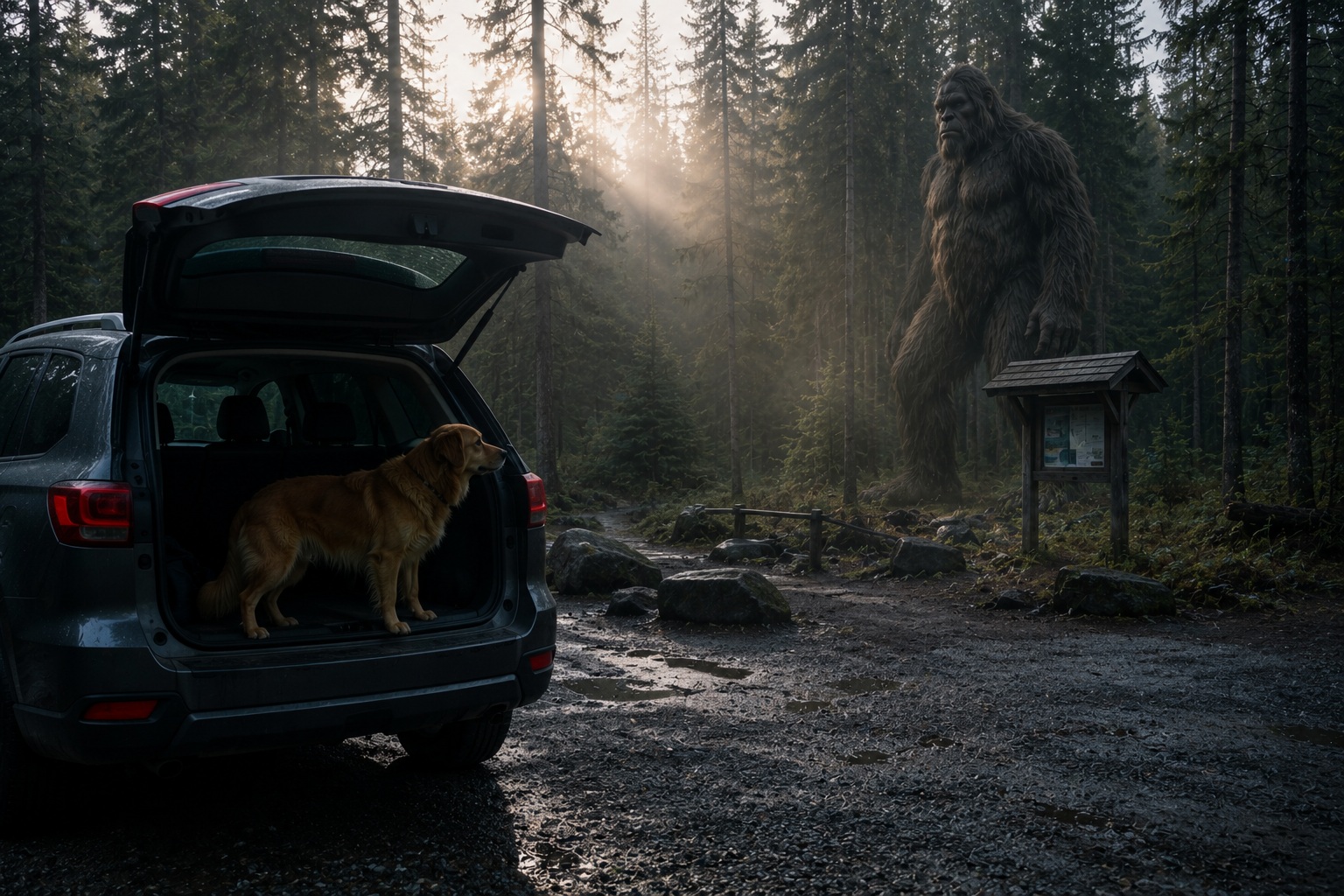
Instead of acting like a frightened animal, the figure walks away calmly, disappearing behind trees with only a few enormous strides. Dogs appear in many of these stories as well. Sometimes they bark furiously. Sometimes they refuse to leave the vehicle.
Other times they quietly hide behind their owners. Whether those reactions have ordinary explanations or not, they remain one of the most repeated parts of Bigfoot folklore. Together, the smell, the silence, the dog's behavior, and the overwhelming size create a recognizable pattern. Readers may never have seen a huge figure in the woods.
But they can imagine stepping onto a quiet trail where the air suddenly smells completely wrong. That single detail changes the mood before anything frightening is visible. Perhaps that is why so many Bigfoot stories begin with someone's nose instead of their eyes. The witness does not first notice a giant shape.
They notice the forest itself no longer feels normal. Only after looking around do they realize something impossibly large may already have been standing nearby. Whether people see these stories as folklore, misunderstood wildlife, or something stranger, one detail keeps returning. Long before the huge figure appears between the trees, someone wrinkles their nose, asks what that awful smell is, and discovers that nobody nearby has an ordinary answer.