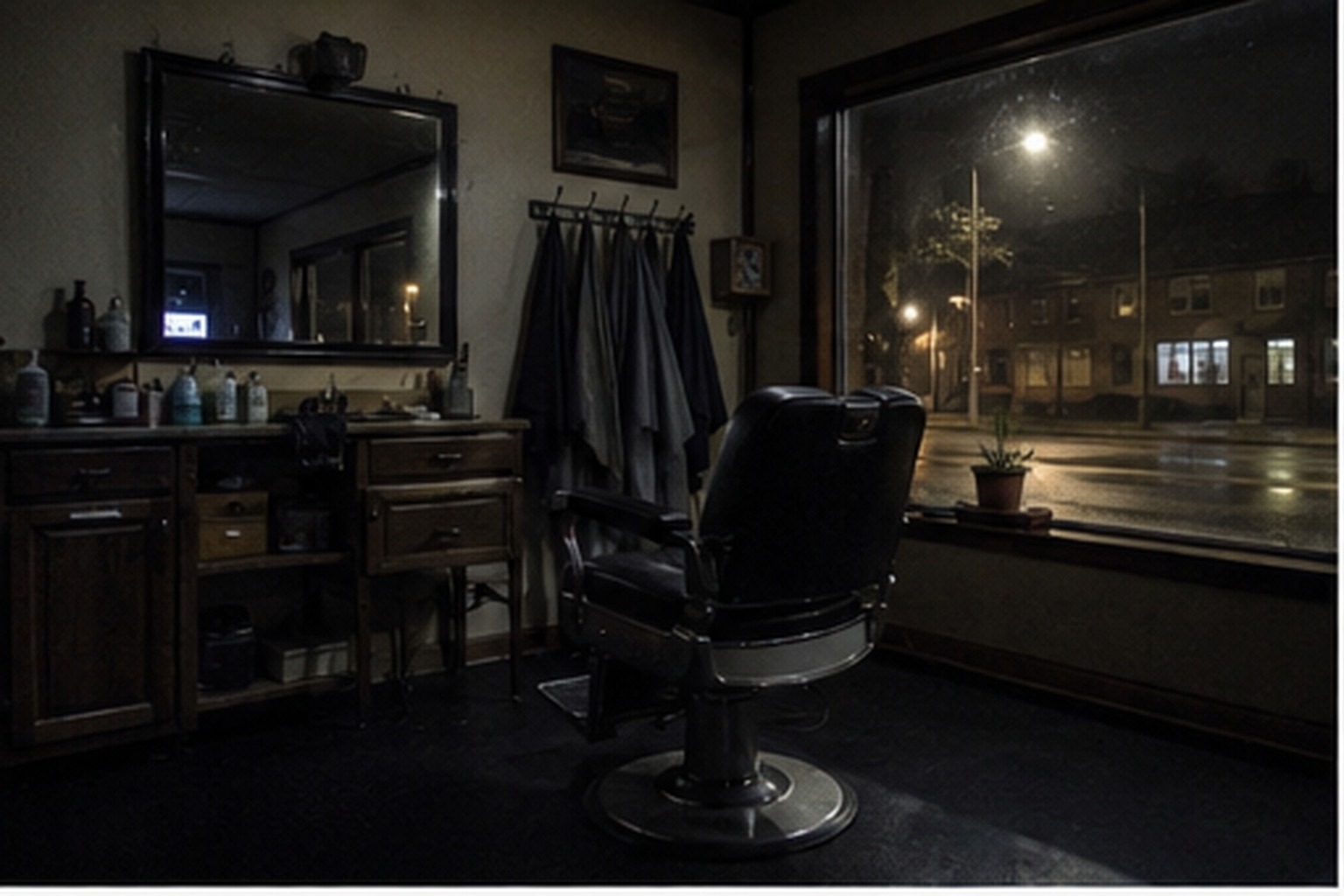
The barber chair was facing the front window in the morning, even though the owner always locked it facing the mirror.
At first, it was the kind of thing anyone would explain away before breakfast.
The place was ordinary, which made the story harder to shake. No ruined mansion. No candlelit hallway. No old portrait on a wall. Just a closed two-chair barber shop, the sort of space people pass through every day without imagining it could develop a habit of its own.
That is why the first wrong detail did not become a story right away. It became an annoyance.
The First Change Was Small Enough To Ignore
The person who noticed it tried to treat it like clutter, fatigue, or a bad memory.
They checked the lock. They checked the floor. They looked for the easy answer, because easy answers are what keep normal rooms normal.
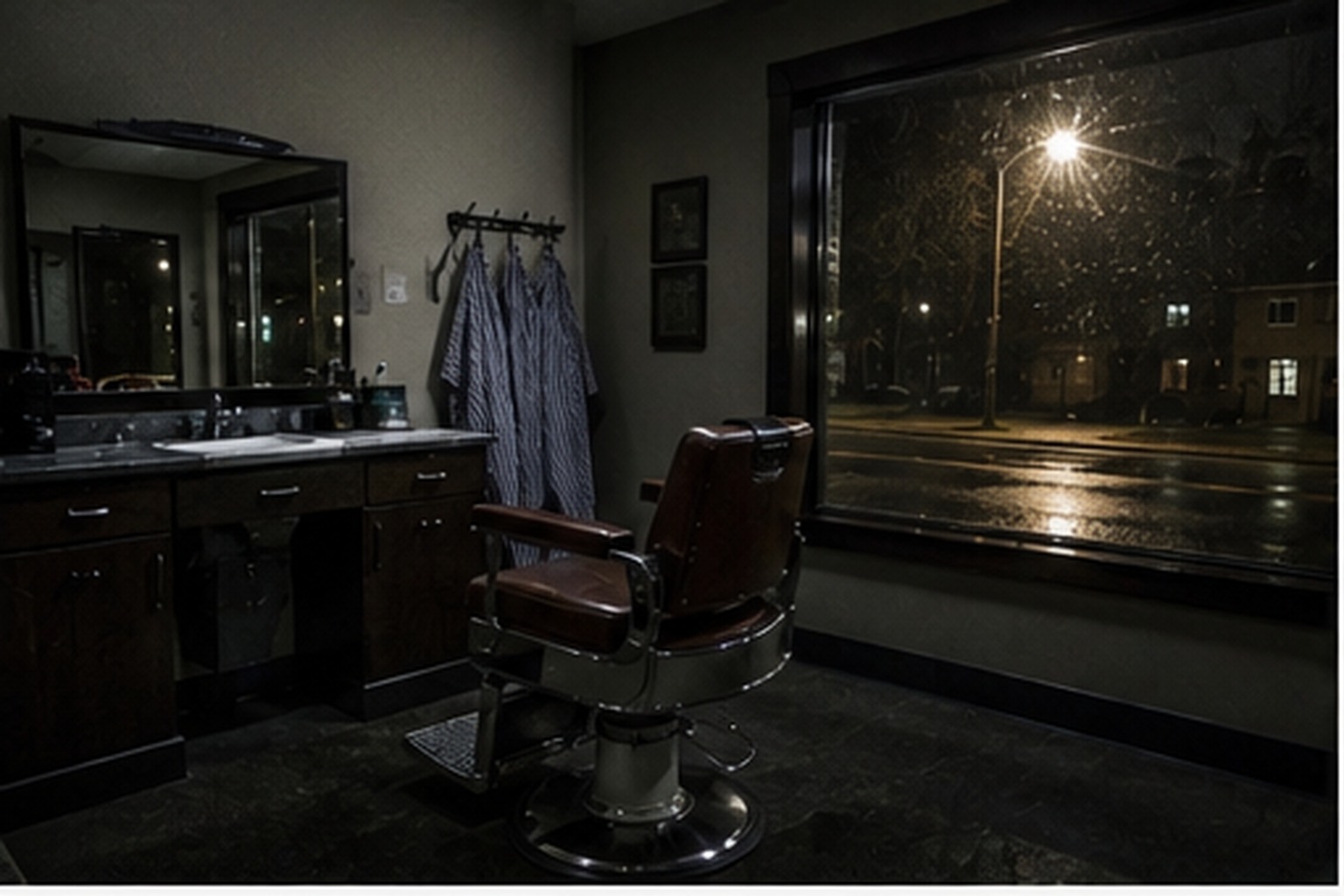
Nothing looked broken.
Nothing looked stolen.
Only the old customer chair had changed.
The next morning, it happened again. This time the angle was too exact to blame on a bump or a draft. It was not simply moved. It was positioned, as if someone had taken a moment to decide where it should face.
That difference matters. A thing knocked out of place can be dismissed. A thing arranged feels like attention.
The Routine Became A Test
For three nights, they turned the change into a private experiment.
Before leaving the room, they photographed the old customer chair. They made a little mark on the floor with tape. They pulled the door shut until the latch clicked. Then they waited until morning and looked again.
Each morning, the tape was still there.
Each morning, the object was not.
By the fourth night, embarrassment had turned into fear. It is one thing to be scared of a noise. It is another to be scared of a room proving you wrong while you sleep or while the building is empty.
That was when the phone camera came out.
The camera record Did Not Show What They Expected
The camera watched for hours and captured mostly nothing.
That almost made it worse. A normal camera record gives you permission to laugh at yourself. Darkness sits there. The timestamp crawls. Dust passes through the weak light. You start to feel foolish for being afraid.
Then the chair turned a few degrees toward the street-facing window, stopped, then turned again without anyone touching it.
The motion was not dramatic. It was slow enough that, on the first watch, it looked like the camera had skipped. On the second watch, the change was harder to deny. On the third watch, the room felt different from the one they had left behind.
Because the object was not the only thing in frame.
The Shape Was In The Part Of The Room Nobody Checked
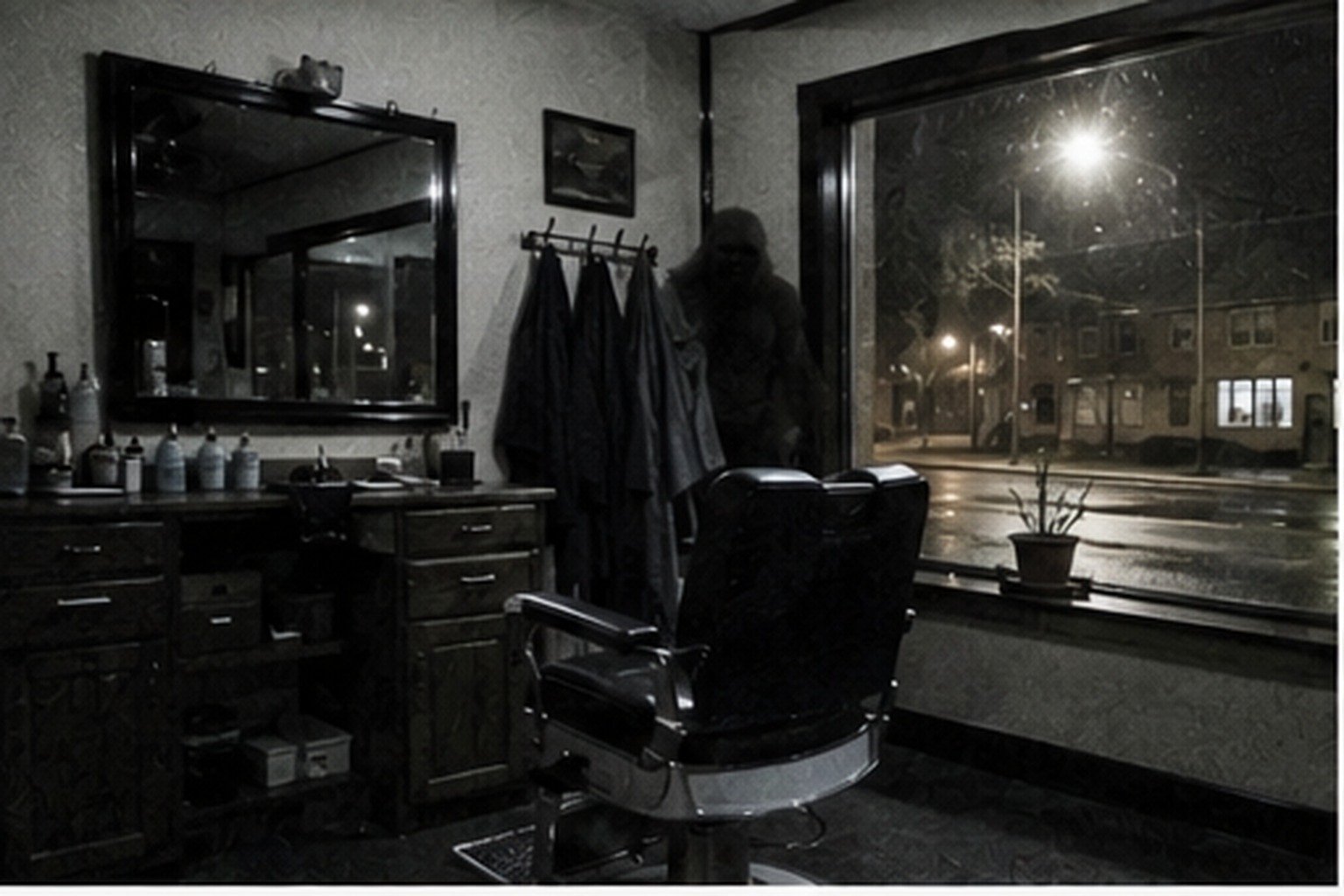
At first, the dark patch near the cape rack near the back wall looked like furniture, hanging clothes, or a camera problem.
That is what people tell themselves when a shadow has the outline of shoulders.
But furniture does not lean forward between frames.
Clothes do not appear to have a head above them.
The shape stood partly hidden, darker than the rest of the room, with no face and no detail that made it feel like a person. It had the wrong stillness. Not frozen like a statue. Waiting like something that did not need to breathe.
The object moved again while the shape remained still.
That was the part nobody liked.
The Sensible Explanation Was Still Possible
There were normal answers available.
A cheap camera can crush shadows into shapes. Low light can make flat objects look three dimensional. Floor vibrations can shift lightweight furniture. A draft can move a door. A person can forget what they touched while tired.
None of that was impossible.
In fact, the mundane explanation was the first one they wanted. It would have been a relief if someone could point to a loose hinge, uneven floor, bad exposure, or drafty vent and end the whole thing.
The problem was not that normal answers did not exist.
The problem was that none of them explained all the details at once.
The Detail That Would Not Fit
The object moved in stages.
It did not slide once and stop. It changed position, paused, then changed again, as if the movement had a rhythm.
The shape near the cape rack near the back wall appeared before the last movement and stayed after it. When the exposure shifted, the corner brightened around it, but the shape did not brighten in the same way. It remained flat and black, like a hole standing upright in the room.
Then the audio caught a small sound close to the camera.
Not a word.
Not a footstep.
Just a faint breath, too near the microphone to belong to the far corner.
They Tried To Take The Room Back
The next day, they did what frightened people do when they want control.
They cleaned. They moved furniture. They opened blinds. They checked outlets, vents, hinges, floorboards, and the underside of every object involved. They made the room brighter and uglier and more practical.
For a while, that helped.
Fear gets weaker in daylight. A scary room can become a room again when you are standing in it with a trash bag and a screwdriver.
But that night, the camera was left running again.
The object did not move.
Instead, the dark shape appeared in a different place.
The Empty Spot Became The Worst Part
By then, the old customer chair was almost no longer the center of the story.
The object had become a marker. It was the thing the room used to tell them where to look.
When it stopped moving, the absence felt planned. The camera showed the ordinary room, the tape on the floor, the closed door, the quiet walls, and then a darkness where darkness should not have had a human height.
No one entered.
No one left.
Still, the room looked occupied.
The next morning, they removed the old customer chair entirely.
Why The Small Detail Stayed With People
What makes this kind of story work is not a loud scare.
It is the small domestic wrongness of it. A normal room can survive one strange sound. It can survive one bad shadow, one loose hinge, or one strange piece of camera images that looks different after midnight than it does in daylight.
But when the same room keeps pointing attention to the same place, the fear changes shape.
It stops being a question of whether something supernatural happened. It becomes a question of why the room seems to know where a person will look next.
That is the part that lingers after the obvious explanations are listed. A draft might explain motion. A camera might explain shadows. Forgetfulness might explain one misplaced object. None of those explanations fully explain the feeling of being directed.
The story becomes less about catching a ghost and more about realizing that an ordinary place has developed a pattern.
Patterns are harder to dismiss than surprises.
A surprise happens once.
A pattern waits for you to notice it.
The Last Change Was Not On Camera
After that, the recordings showed nothing useful.
That should have ended the story. People are very good at moving on when there is no new evidence to feed the fear.
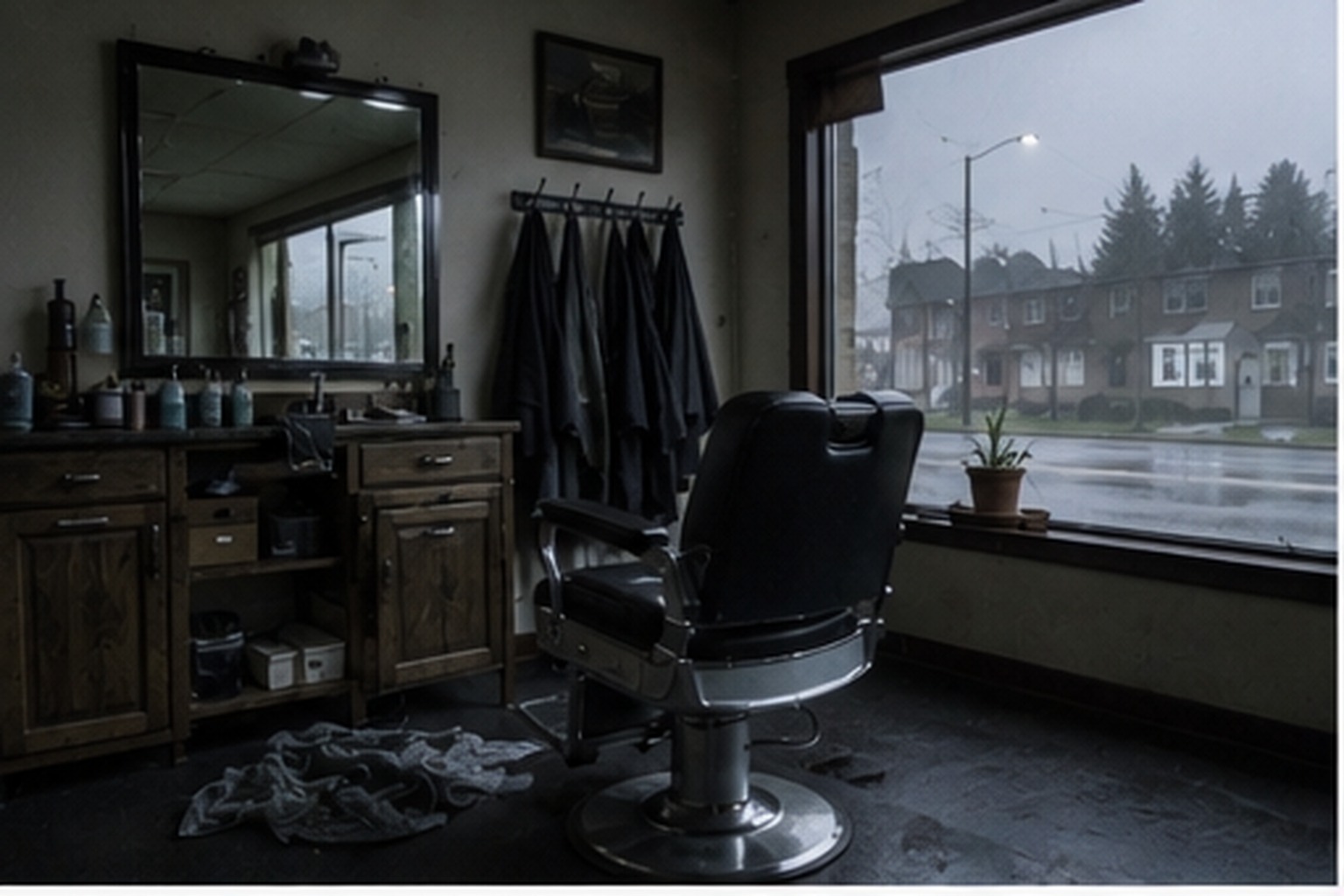
But a week later, one black cape had been tied around the chair like someone had been sitting under it
It was small. It could have been coincidence. It could have been a tired mind connecting two unrelated things because the room had already trained it to look for patterns.
That is the safe explanation.
The unsafe one is simpler.
Maybe the object was never the thing being haunted.
Maybe it was only the thing being used.