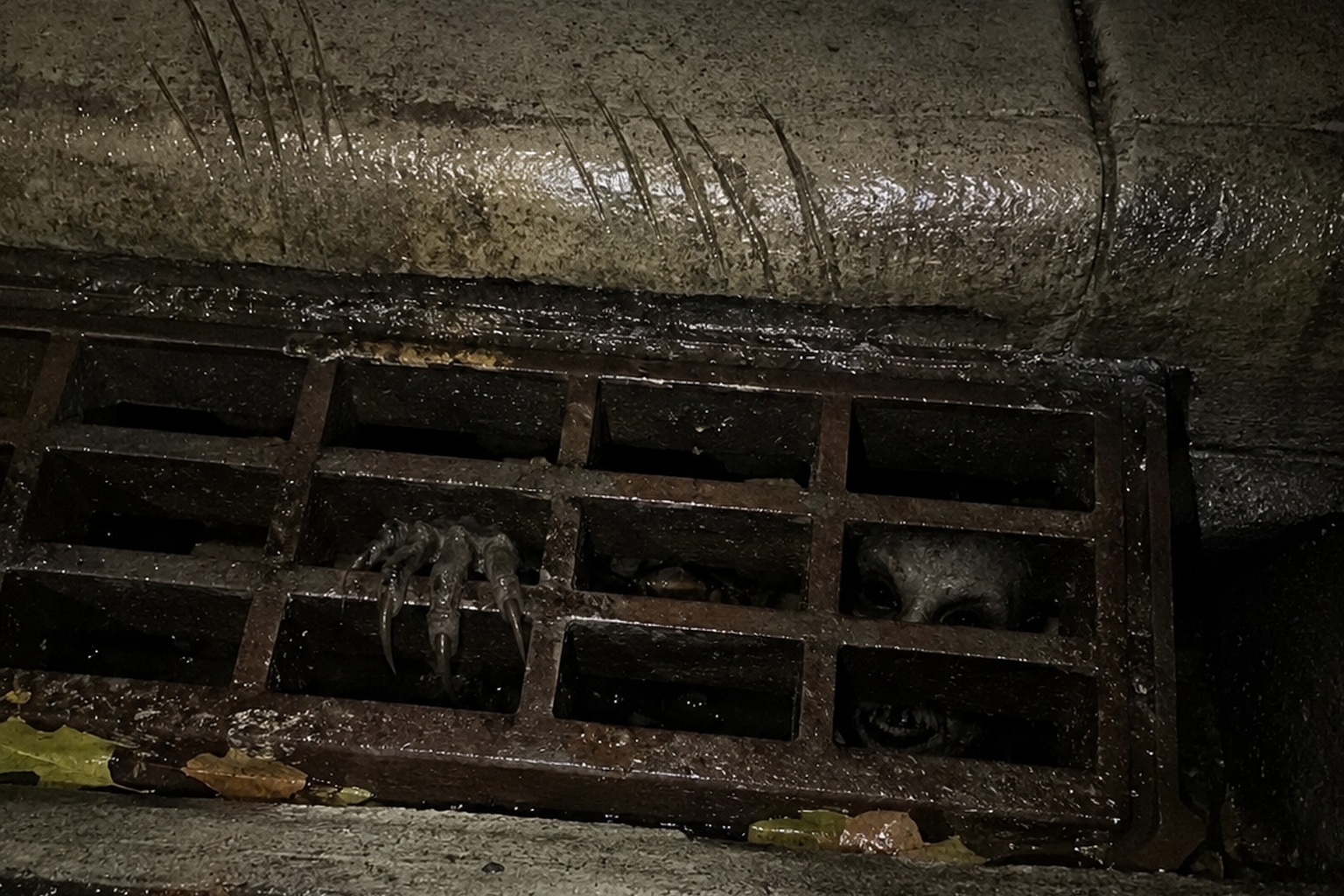
The sound stopped the moment the flashlight pointed at the grate. Until then it had been steady. Slow. Metal scraping against concrete. Not loud enough to wake the neighborhood, but impossible to mistake once you heard it. A man walking his dog after a summer storm later said it sounded as though someone was dragging five heavy nails across the inside of the drain, stopping every few seconds before starting again.
His dog refused to move. Instead of barking, it backed away until the leash pulled tight. The flashlight beam reached the storm drain opening, but there was nothing inside except wet leaves and shallow water reflecting the light. Then the scraping started again. Not deeper inside the pipe.
Directly beneath the grate. The sound traveled only a few inches below his feet. He stepped backward, expecting an animal to rush out. Nothing came. The scraping stopped as suddenly as it had begun. Only when he looked down one last time did he notice something that made him leave without another step forward. Fresh pale scratches ran across the concrete lip outside the drain, as if something with enormous claws had climbed up from below but changed its mind halfway out.
Stories like this appear everywhere. Sometimes they involve storm drains, roadside culverts, drainage tunnels, or narrow runoff channels beneath sidewalks. The creature itself is rarely seen clearly. What people remember most is the scraping. It starts before the sighting, stops when someone gets close, then returns after they leave. Why does that detail appear so often in creature stories, and why does it stay with people long after the rest of the memory fades?
Storm drains sit in an uncomfortable space between the familiar and the unknown. Everyone knows what they are built for. They carry rainwater away from streets and parking lots. Most people pass dozens every day without noticing them.
The First Time It Happened
At night, though, those same openings become dark spaces that disappear beneath neighborhoods. You cannot easily see where they lead. Even a powerful flashlight usually reveals only a short stretch before the tunnel bends into darkness. That hidden depth leaves plenty of room for imagination.
Creature stories often place something just beyond the point where light reaches. Not because people are claiming to know what lives there, but because the drain already feels like a doorway into somewhere unseen. Unlike abandoned houses or old forests, storm drains exist in ordinary places. They are outside schools, grocery stores, quiet neighborhoods, and office parks. That familiarity makes the strange detail stand out even more.
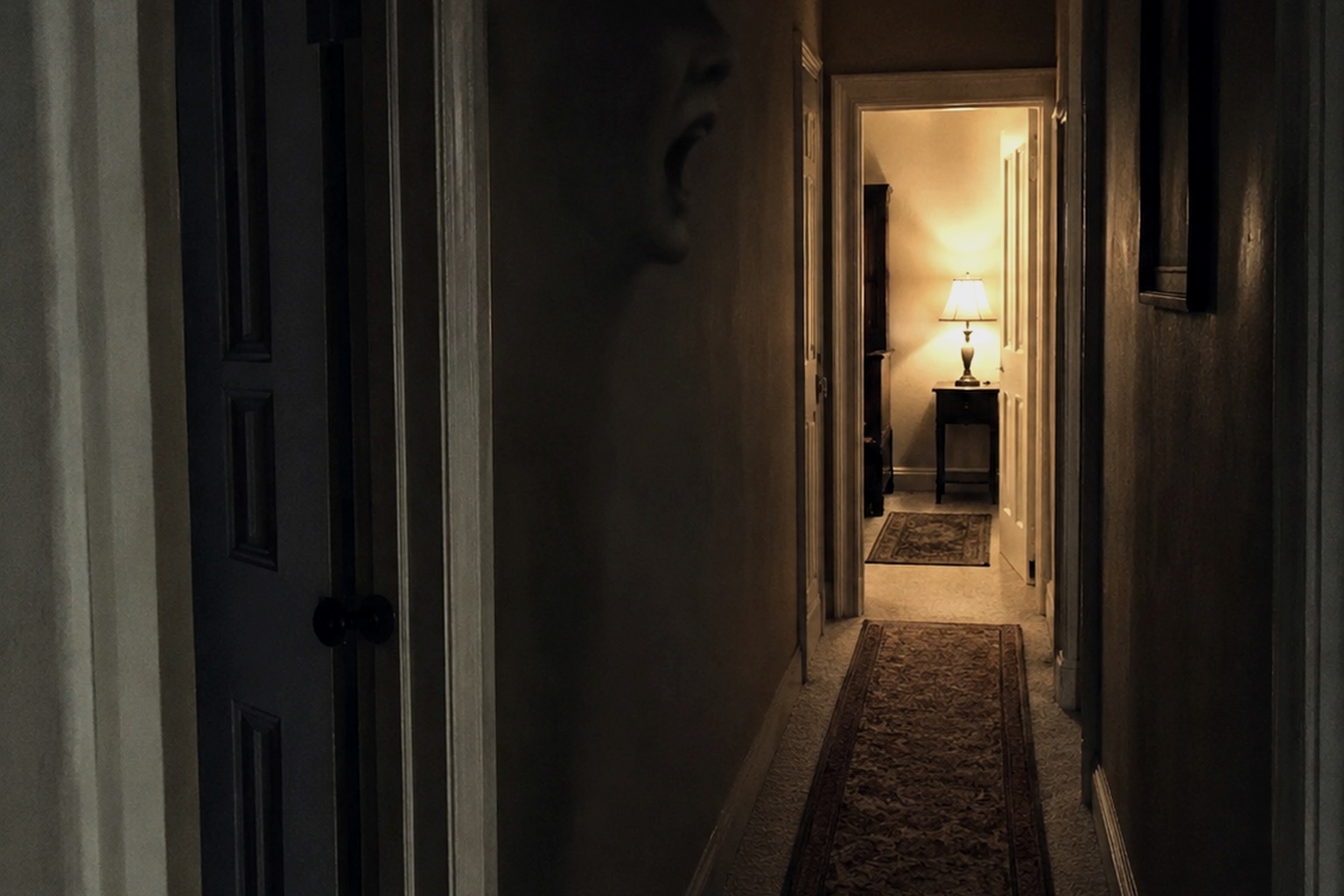
The idea that something large could move beneath a place you walk every day is far more unsettling than finding it deep in the wilderness.
One pattern appears again and again. People hear the scraping first.
Only afterward do they report glowing eyes, a pale face near the opening, a long webbed arm, or a claw resting briefly on the edge before disappearing. That order matters. If someone first hears an unexplained sound, the brain naturally begins searching for its source. Every shadow suddenly feels more important. Every movement becomes easier to notice.
Why The Place Felt Wrong
Many reports describe the scraping as strangely deliberate. Not frantic scratching. Not random banging. Instead, witnesses compare it to someone slowly testing the concrete with long claws. Scratch. Pause. Scratch again.
The pauses often become the most frightening part because they create the feeling that whatever is making the sound is listening too. Instead of sounding like an animal trying to escape, it sounds like something waiting for the person above to move first.
What People Usually Check First
After hearing the sound, most people do the same things. They shine a flashlight into the opening. They look for moving water. They search for raccoons, possums, stray cats, frogs, or large birds.
If the drain is wide enough, they may even look for broken branches or trash that could be rubbing against the metal grate. These are sensible first checks because storm drains really do produce unusual sounds. Running water carries sticks through narrow pipes. Loose grates vibrate under passing traffic.
The Detail Nobody Could Explain
Temperature changes cause metal to expand and contract. Animals often shelter inside drainage systems, especially after heavy rain. Most reports end there. Someone discovers the source, laughs nervously, and continues home.
Those stories rarely spread because the mystery disappears. The ones people remember are the few where those first explanations seem less satisfying. When the Ordinary Answer Starts to Feel Wrong The reports that stay with people usually include one extra detail that refuses to fit comfortably.
Sometimes the scraping moves toward the listener instead of away. Sometimes it circles beneath connected drains without any visible animal appearing. Sometimes the sound stops the instant someone reaches the grate, only to begin again after they have walked several steps away. A few stories describe fresh scratches on concrete rather than on the metal itself.
Others mention muddy prints leading toward the drain but never returning. The most unsettling versions include witnesses who briefly see part of something before it disappears. Not an entire monster. Just a wet claw gripping the edge.
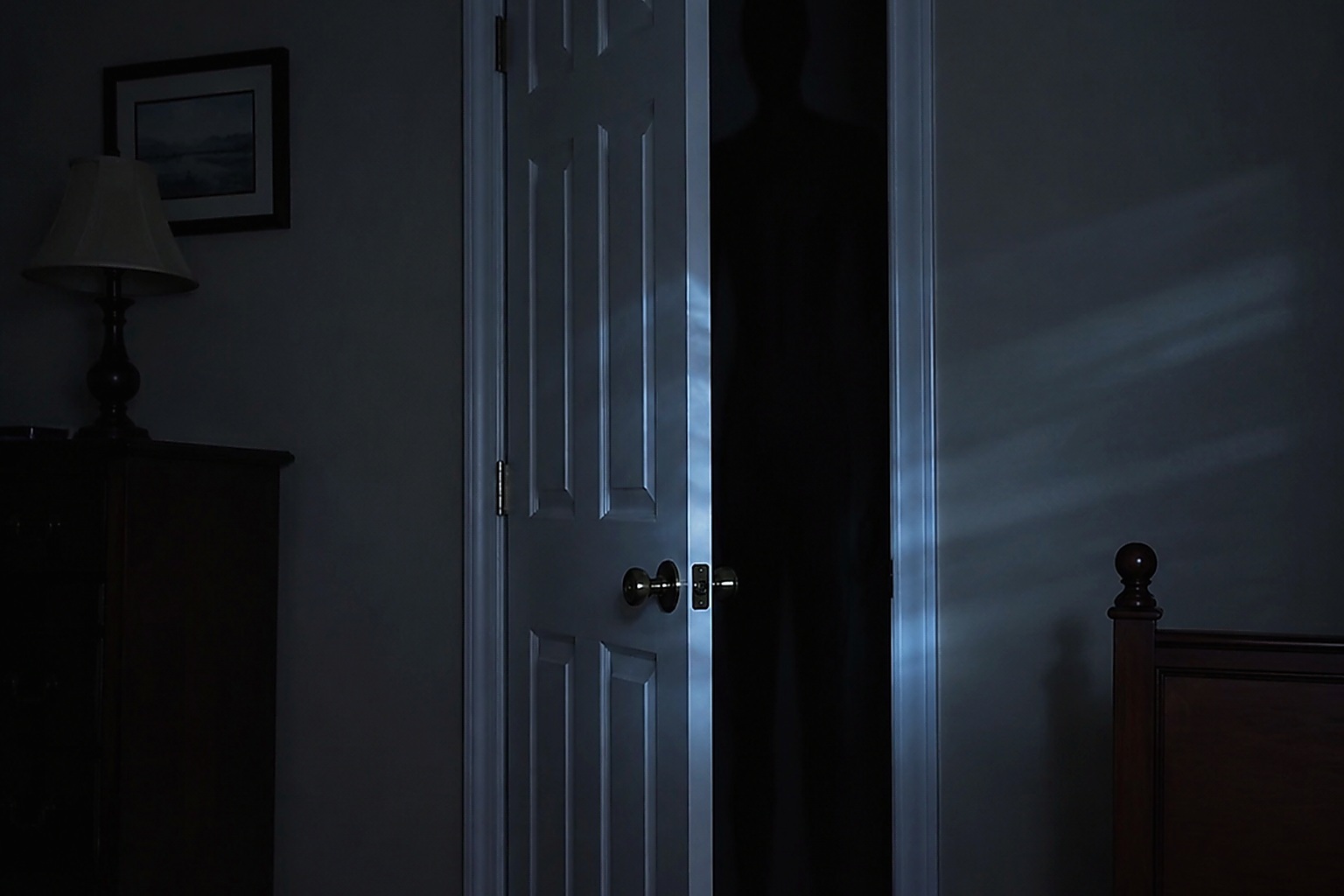
A long gray arm sliding back into darkness. Two reflective eyes sitting far deeper inside the tunnel than a flashlight should reasonably reach. The creature is almost never fully visible. Ironically, that makes the memory stronger.
What They Checked Afterward
People continue wondering what the missing pieces might have looked like.
Many creature stories happen after storms. There are practical reasons for that.
Rain changes the sound of drainage systems completely. Water rushes through pipes. Floating debris strikes concrete. Echoes become louder and harder to locate. Neighborhoods also grow quieter after heavy weather. Fewer cars pass by. Fewer people walk outside.
Small sounds suddenly become noticeable. Wet pavement reflects light differently as well. Flashlights bounce across puddles, making drain openings seem deeper than they really are. Mist rising from warm pavement can briefly hide the inside of a tunnel before drifting away. All of those conditions encourage uncertainty.
The Moment It Became Harder To Ignore
For people interested in folklore, storms also represent moments when familiar places temporarily change. Streets flood. Water appears where it normally doesn't exist. Storm drains become active rather than forgotten. That shift makes them natural settings for stories about hidden creatures emerging only under certain conditions.
Interestingly, the claws themselves often become the main image people remember. Many stories never describe the creature's face at all. Instead they focus on the sound made by the claws or the marks they supposedly left behind.
There is a simple reason for that. Scraping immediately suggests intention. Wind does not scrape. Flowing water rarely sounds deliberate.
Five evenly spaced scratches instantly make people imagine fingers rather than random objects. Whether that conclusion is correct or not, the brain fills in the rest almost automatically. The imagination builds a creature around the sound. The claws also suggest size.
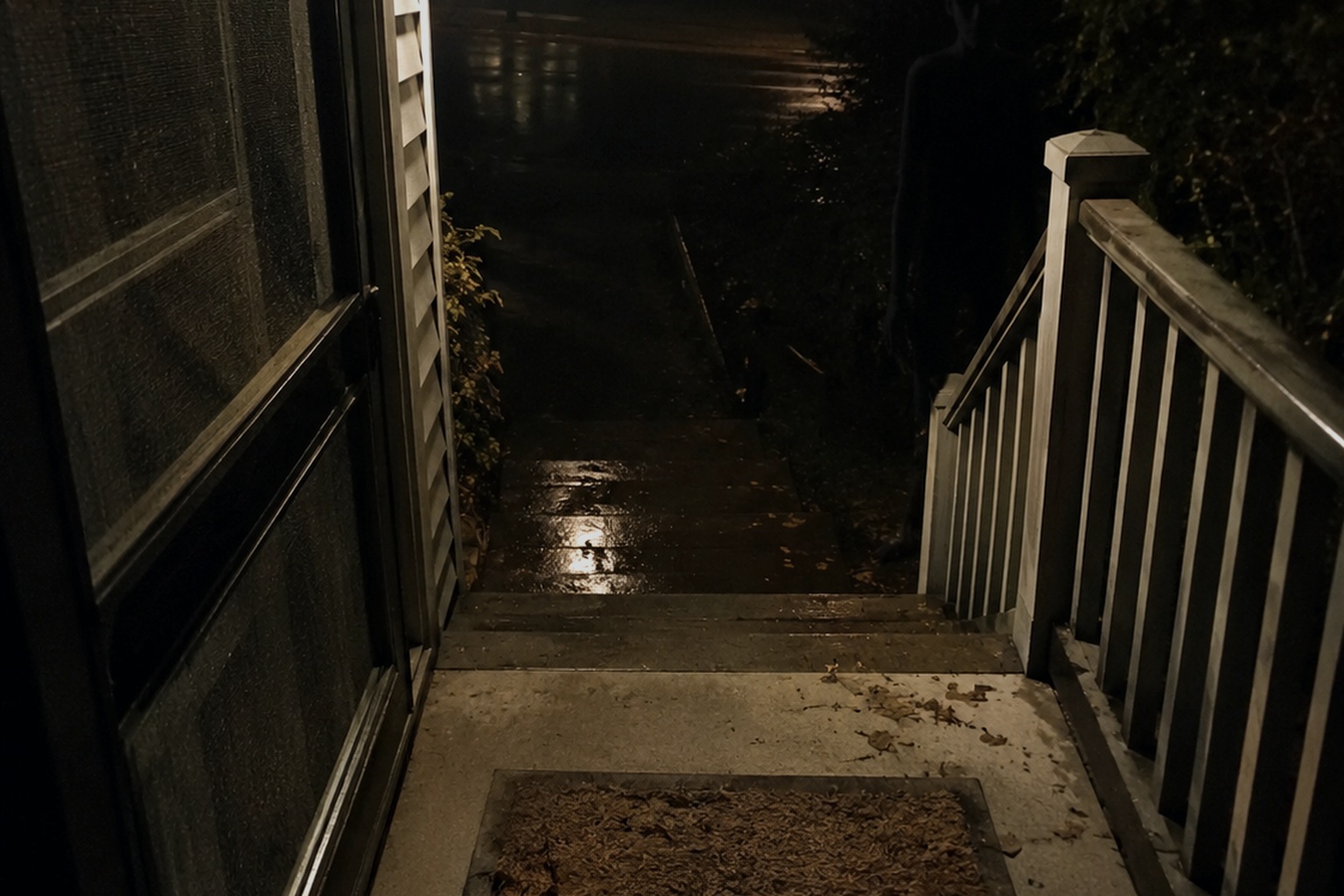
If they leave deep marks in concrete or produce loud scraping across thick metal, listeners naturally picture something much larger than the animals they expect beneath city streets. The unknown grows with every missing detail. Similar Stories Appear Around the World The setting changes, but the pattern remains familiar.
Why People Avoided That Spot Later
In some places the stories happen near roadside culverts beneath country roads. Elsewhere they take place inside old brick drainage tunnels below historic neighborhoods. Coastal towns sometimes replace storm drains with seawalls or flood channels. Mountain communities tell similar stories about runoff pipes disappearing beneath highways.
The creature changes too. Some describe a pale underground figure. Others mention something reptile-like with webbed claws. Some imagine an oversized animal that has adapted to underground spaces.
Others never attempt to identify it at all. Yet the same sequence keeps returning. A strange scraping. Silence.
Reluctance to approach. One impossible glimpse. Then nothing. That structure makes the stories easy to remember and easy to retell, even when the creature itself changes completely.
Why The Story Still Gets Shared
Storm drain creature stories are probably less about monsters than about the uncomfortable feeling created by hidden spaces beneath ordinary streets. Most strange sounds have ordinary causes. Water, wildlife, loose metal, and echoing pipes explain far more reports than anything mysterious ever could.
That is worth remembering first. Still, people continue sharing stories because of the handful that seem harder to dismiss. The scrape that follows someone walking. The sound that stops exactly when a flashlight reaches the grate.
The fresh marks that appear where smooth concrete stood before. The brief glimpse of a claw disappearing faster than the eye can follow. Whether those moments come from misunderstanding, coincidence, wildlife behaving unexpectedly, or something that remains unexplained, they all revolve around the same simple fear.
We spend our lives walking over places we never really see. Storm drains hide only a few feet below our shoes, carrying water beneath neighborhoods that otherwise feel completely safe. Most nights they remain silent. But every now and then someone hears a slow scrape rising through the grate, pauses to listen, and finds themselves wondering the same question shared across countless creature stories.
If something had been climbing toward the surface… Why did it stop when it realized someone was already waiting above?