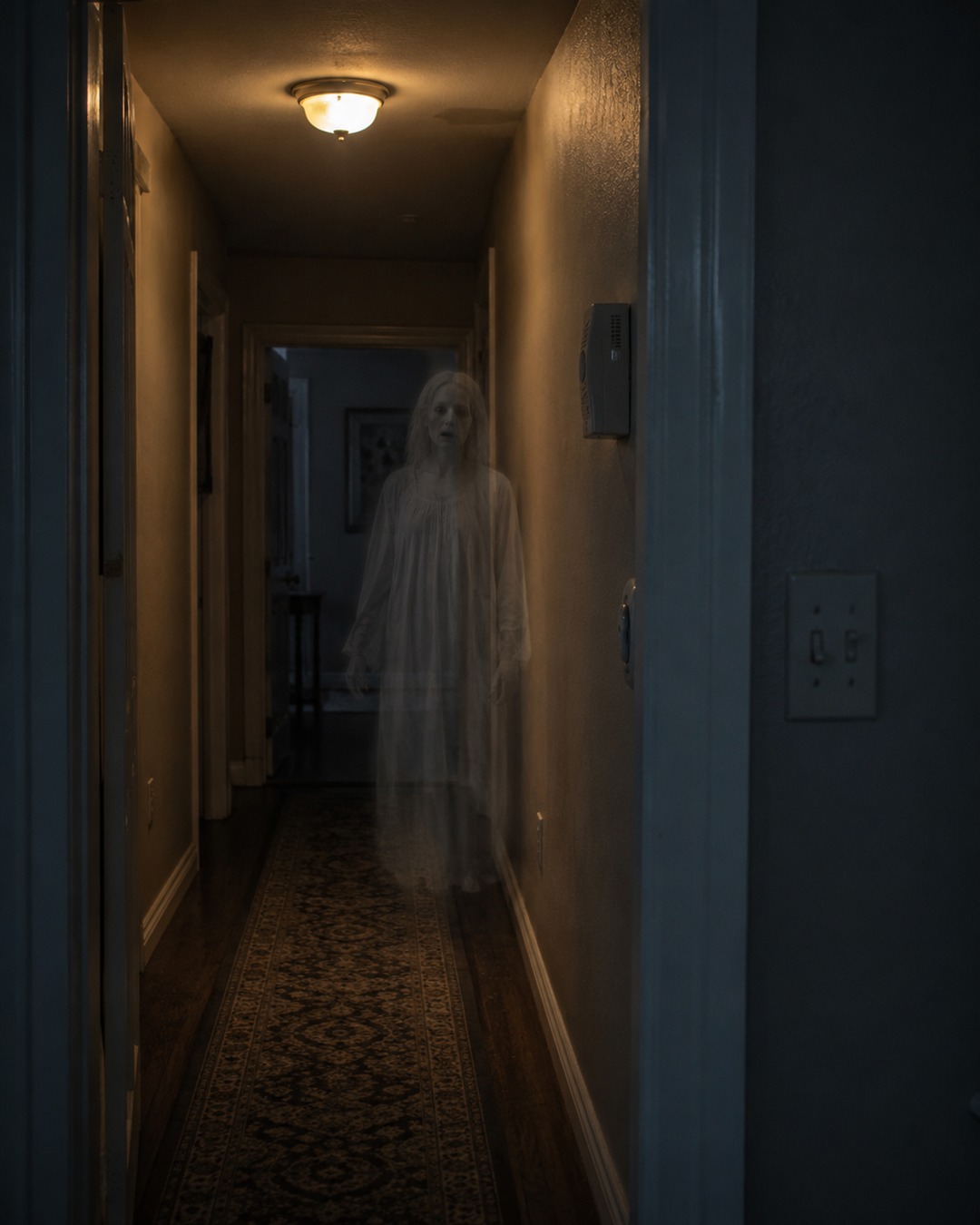
Illustrative reconstruction
The hallway light dimmed at the same moment the radio snapped to static. A doorbell chimed once even though the porch camera showed nobody there. In an old house with a ghost story, electrical glitches rarely feel like maintenance problems first.
Short answer
Haunted-house electrical anomalies often involve flickering lights, radios, doorbells, appliances, power dips, buzzing, battery drain or electronics behaving strangely. Ordinary causes include loose bulbs, old wiring, switches, voltage fluctuation, HVAC loads, moisture, failing devices, radio interference, sensors, batteries and human expectation. These reports belong near haunted-house folklore, but they require electrical and environmental checks.
Ordinary explanations to check first
Check the bulb, fixture, switch, outlet, breaker, extension cords, appliance loads, HVAC timing, humidity, nearby radio sources, batteries and device settings. Smart devices add another layer: schedules, motion sensors, Wi-Fi dropouts and firmware behavior can all look intentional.
Why electrical events feel haunted
Lights and radios seem responsive. A flicker during a scary moment feels like an answer. A doorbell with no visitor feels personal. The timing may be coincidence, but the emotional pattern is powerful.
Safety comes before mystery
Repeated flickering, burning smells, warm outlets, buzzing panels, tripping breakers or water near electrical equipment should be treated as safety issues. A haunting story should never delay a qualified inspection when there are signs of electrical risk.
How to document an electrical anomaly
Record time, device, room, weather, HVAC activity, appliance use and whether the event repeats. Note whether multiple devices act up or only one. Video should include the surroundings, not only the light. If the issue repeats, professional electrical review matters more than ghost equipment.
Why electrical events feel like answers
A flickering light during a frightened moment feels responsive. A radio burst after a question feels conversational. A doorbell at midnight feels targeted. Electrical anomalies become haunting stories because they seem to happen in time with human attention.
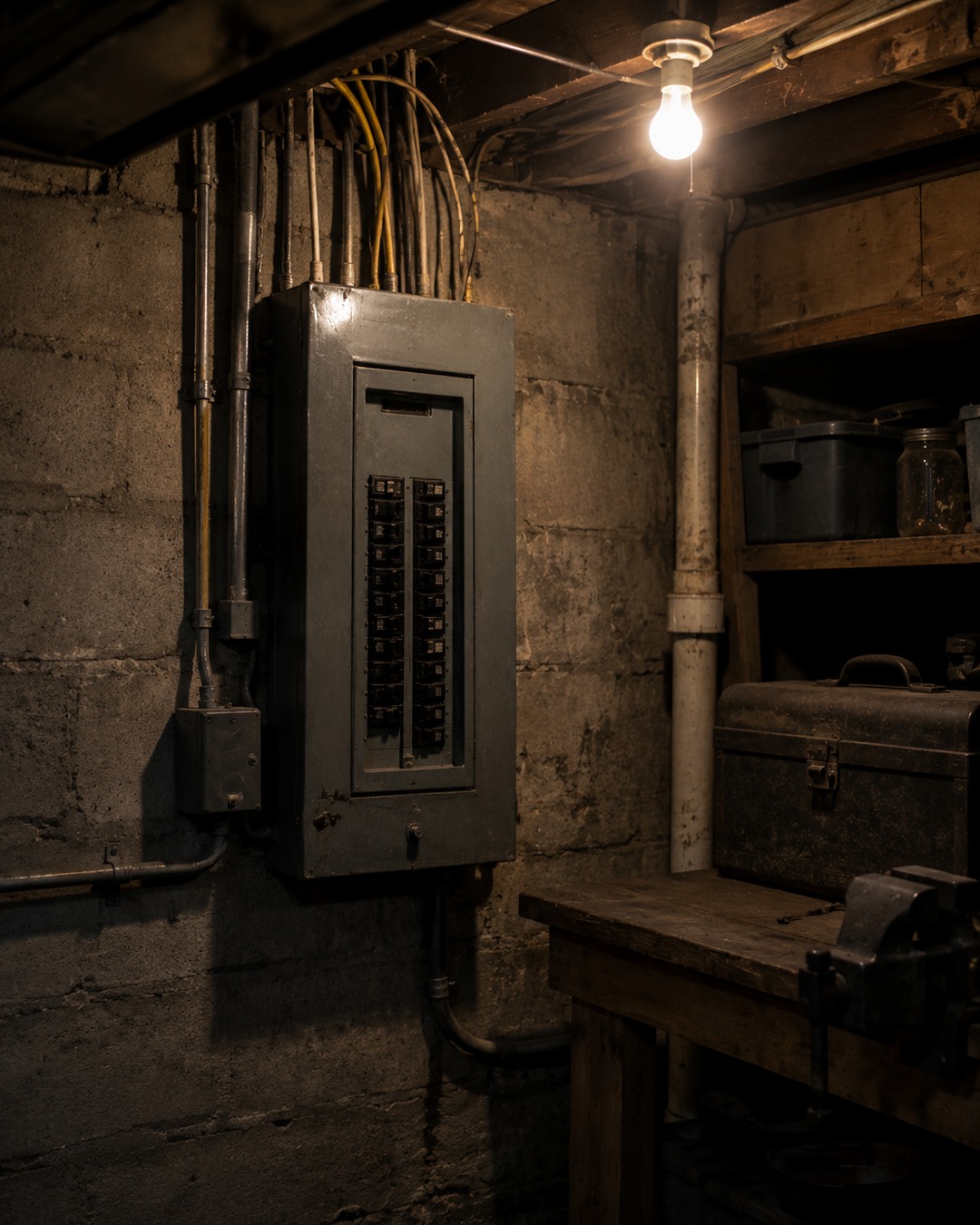
Lights and bulbs
Flicker can come from loose bulbs, old switches, dimmers, incompatible LEDs, voltage changes, appliance loads, failing fixtures or wiring problems. A single bulb behaving strangely is a device problem first. Multiple lights across circuits may require broader electrical review.
Radios, speakers and interference
Radios and speakers can pick up interference, grounding problems, nearby transmitters or device noise. Static feels uncanny because it resembles speech. Before treating it as a message, note the frequency, device, time, nearby electronics and whether the effect repeats in another room.
Doorbells, cameras and smart devices
Modern doorbells and cameras add batteries, Wi-Fi, motion sensors, firmware, cloud processing and notification delays. A “phantom ring” may be a stuck button, moisture, low battery, transformer issue, app delay or network behavior. Old wired doorbells have their own failure points.
Safety signs that matter more than the story
Warm outlets, burning smells, buzzing panels, frequent breaker trips, sparks or water near electrical equipment should be treated as safety issues. A paranormal article should never encourage someone to ignore a hazardous system.
How to evaluate without overclaiming
Keep a log. Record weather, appliance use, HVAC timing, device battery levels and whether the problem follows one fixture or the whole house. If it repeats, ask a qualified professional before escalating the haunting interpretation.
Older houses and modern devices
Haunted-house electrical stories often happen where old infrastructure meets modern electronics. An older circuit, a marginal switch, a new LED bulb, a Wi-Fi camera and a smart doorbell can interact in ways that feel personal. The house does not need to be malicious for devices to behave strangely.
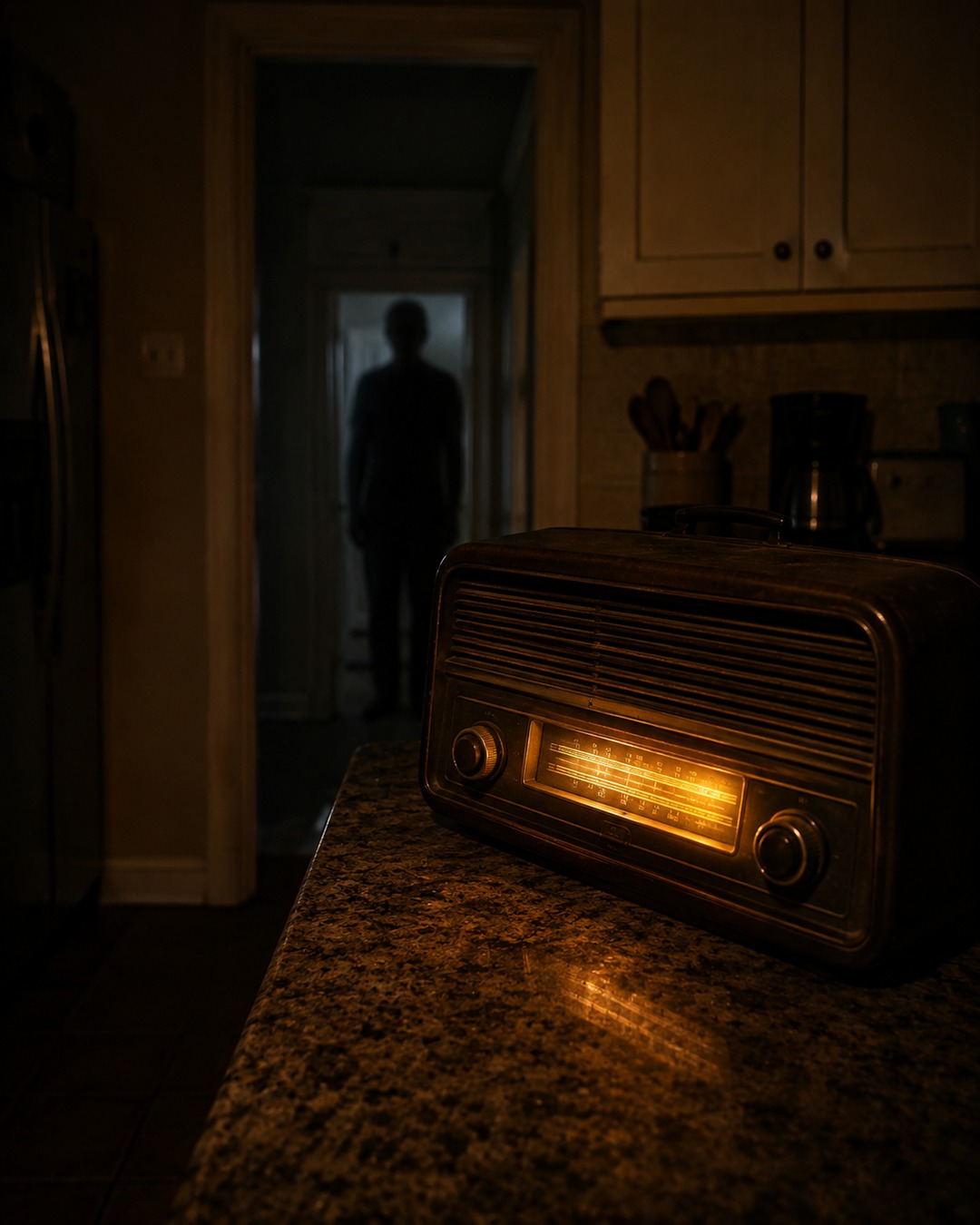
Radio and voice interpretation
Static becomes frightening because humans search sound for speech. A burst of noise after a question feels like a reply. Before treating it as communication, test the device elsewhere, record the frequency, note nearby electronics and repeat the condition. A meaningful-sounding fragment is not the same as a controlled message.
When to stop investigating and call a professional
If there is heat, smoke, burning smell, sparking, repeated breaker trips, water near fixtures or buzzing from a panel, the story pauses. Safety wins. Some “haunted” electrical signs are warning signs first.
An Electrical-Anomaly Checklist
Separate one-device problems from whole-house patterns. If one lamp flickers, check the bulb, socket, switch and dimmer compatibility. If several lights dim together, note whether an HVAC system, refrigerator, pump or other large load started at the same time. If a breaker trips repeatedly, if an outlet feels warm, or if there is buzzing, sparking or a burning smell, stop treating it as a mystery and treat it as a safety issue.
For doorbells and smart cameras, check transformer requirements, batteries, Wi-Fi, app delays, motion settings, firmware updates, moisture and button hardware. A phantom ring can feel targeted, but modern doorbells are small electrical and network systems. The first review should isolate which layer is failing.
Repeatability Matters More Than Timing
A light flickering during a frightening moment is memorable. A light flickering every time the furnace starts is diagnostic. A radio burst after a question feels uncanny. A radio burst on the same frequency near the same device at the same time each night points toward interference, grounding or equipment behavior. A useful log records the event, device, room, weather, appliance activity and whether the pattern follows a circuit.
What we can and cannot say
We can say electrical events are common in haunting stories and often have ordinary explanations. We cannot say a flickering light proves a presence. The responsible approach is to protect safety first, then evaluate the story.
Related Weird Witnessed guides
- Why Do People Hear Knocking Footsteps And Voices In Haunted Houses
- Why Haunted Houses Seem To Have Moving Objects Doors Mirrors And Strange Room Events
- Why Do Cold Spots Become Associated With Ghosts
Sources & Further Reading
- ESFI — home electrical safety
- OSHA — electrical safety overview
- CPSC — home electrical safety guide PDF
- Google Nest Help — doorbell and device troubleshooting context
- Ring Support — wired video doorbell installation/electrical context
- ENERGY STAR — heating and cooling basics