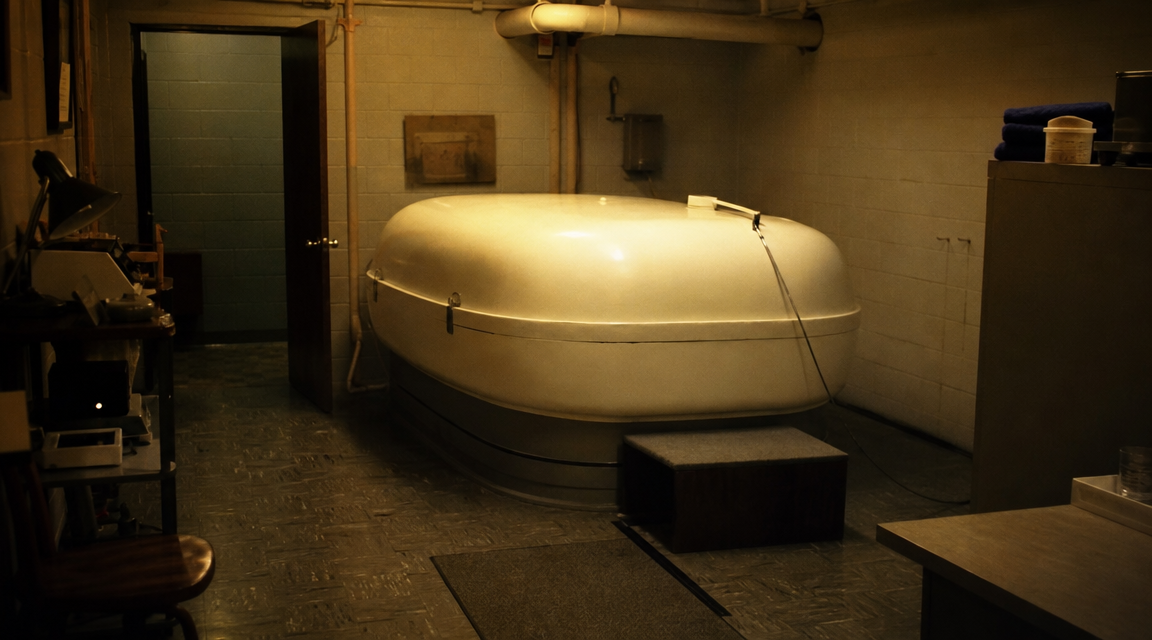
In the archived description of the tank room, the strangest detail is not the water, the darkness, or the long minutes of silence. It is a single word, written after the sessions were over, in handwriting that reportedly belonged to people who had not been allowed to speak to one another.
Most sensory-deprivation stories from the 1970s are easy to file away as products of their era. Universities were testing altered states, perception, meditation, and attention. A person floating in warm salt water, sealed off from light and sound, might be expected to produce odd notes afterward.
But the case remembered from a small university psychology department has a more stubborn feature. Several participants, assigned to separate sessions, independently wrote down the same ordinary word: “orchard.” It was not a key term in the consent forms. It was not, according to later summaries, part of the experimenter’s script.
That does not make the experiment paranormal. It makes it worth reading carefully. The value of the account is not that it proves thought transfer. It is that a quiet laboratory detail can resist the simplest explanation without escaping the need for one.
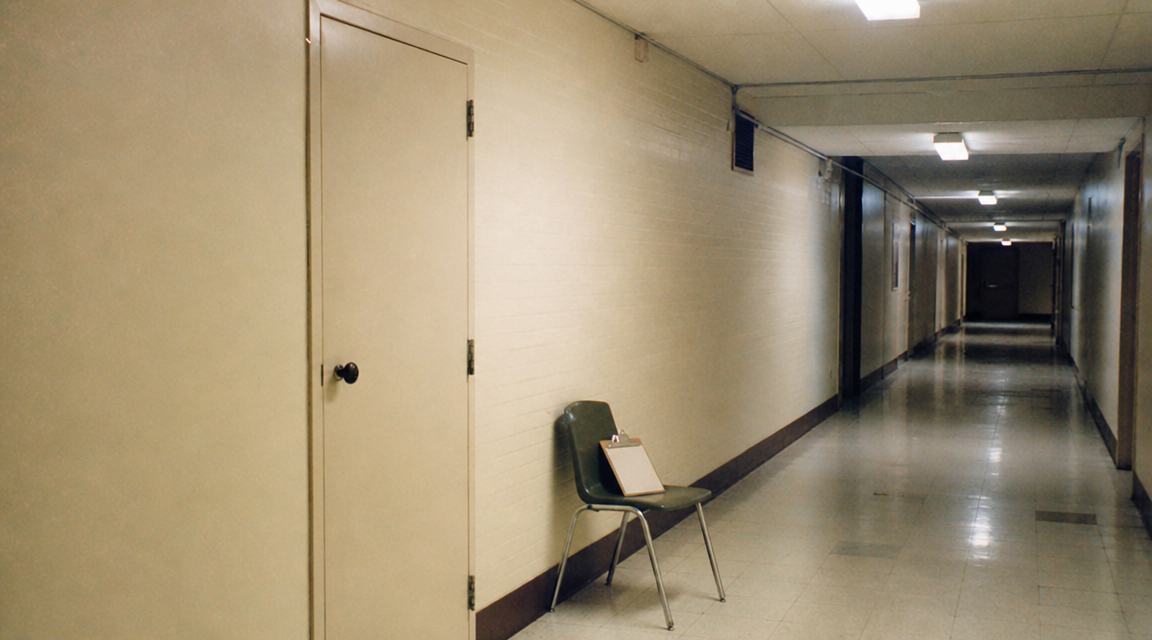
The Tank Room Beneath the Psychology Building
The experiment was said to have taken place in the mid-1970s, when isolation tanks were appearing in university research settings as scientific instruments and cultural curiosities. The room was reportedly in a lower level of a psychology building, chosen less for atmosphere than practicality.
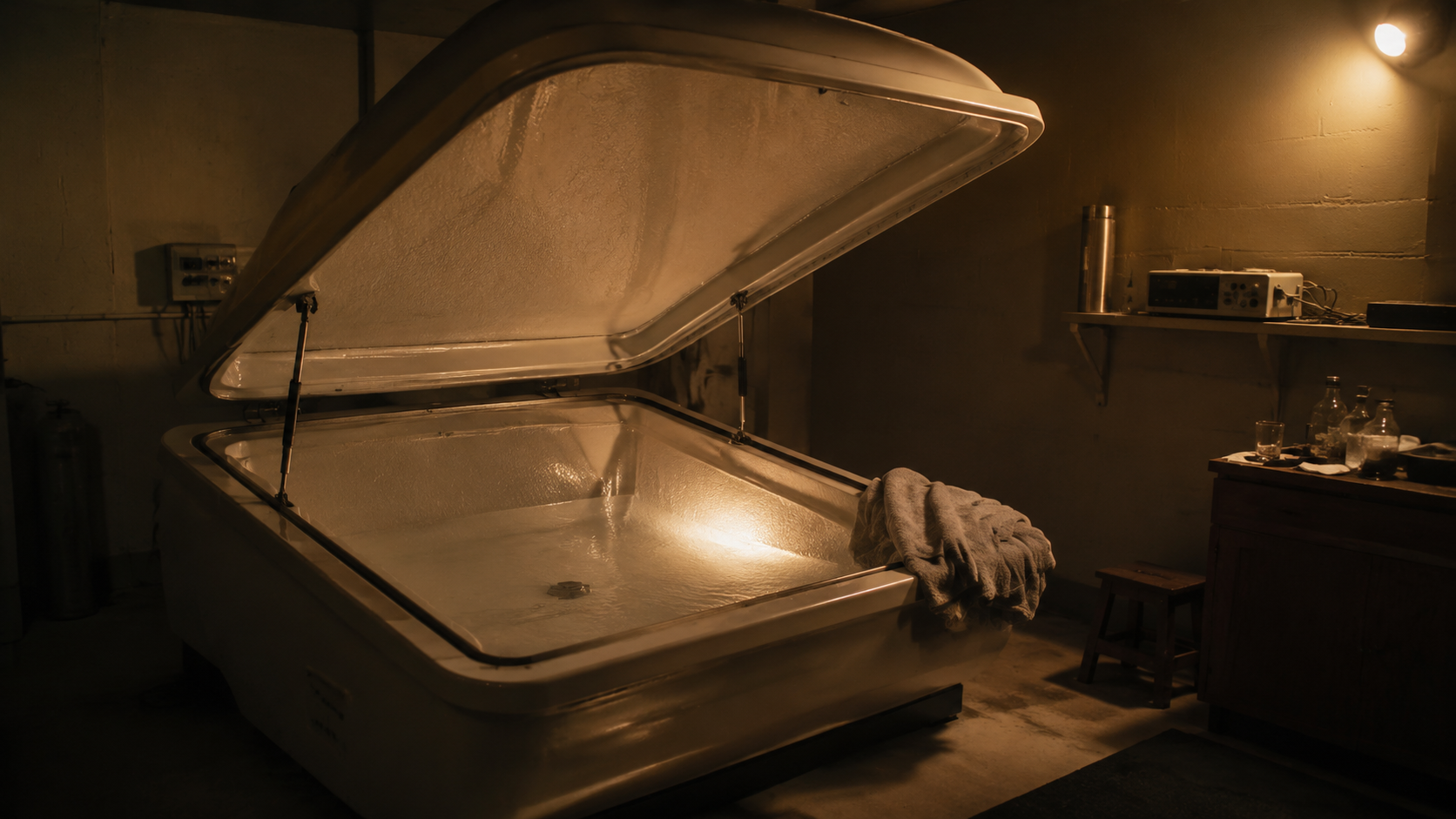
The tank was described as a covered fiberglass basin filled with dense, skin-temperature water. Salt allowed the subjects to float with little effort. The lid reduced light. Ear protection and ventilation reduced campus noise to something distant and hard to place.
Nothing in that setup was unusual for the period. Researchers wanted to know what happened when the mind lost routine anchors. Without visual edges, sound cues, or bodily weight, people often reported drifting thoughts, fragments of memory, and a loose sense of time.
The university never became famous for the project. No widely cited paper seems to have emerged from the account as it is now repeated. That absence matters. The story should be treated as an archival curiosity, not a settled scientific case.
What the Students Were Asked to Do
According to the most common version, the participants were undergraduate volunteers or paid student subjects. They were scheduled separately and told not to discuss the experience until the study block was complete.
Before entering the tank, each subject received basic safety instructions. They were told how to signal discomfort, how long the session would last, and what to do if disoriented. The account does not suggest coercion, panic, or extreme procedure.
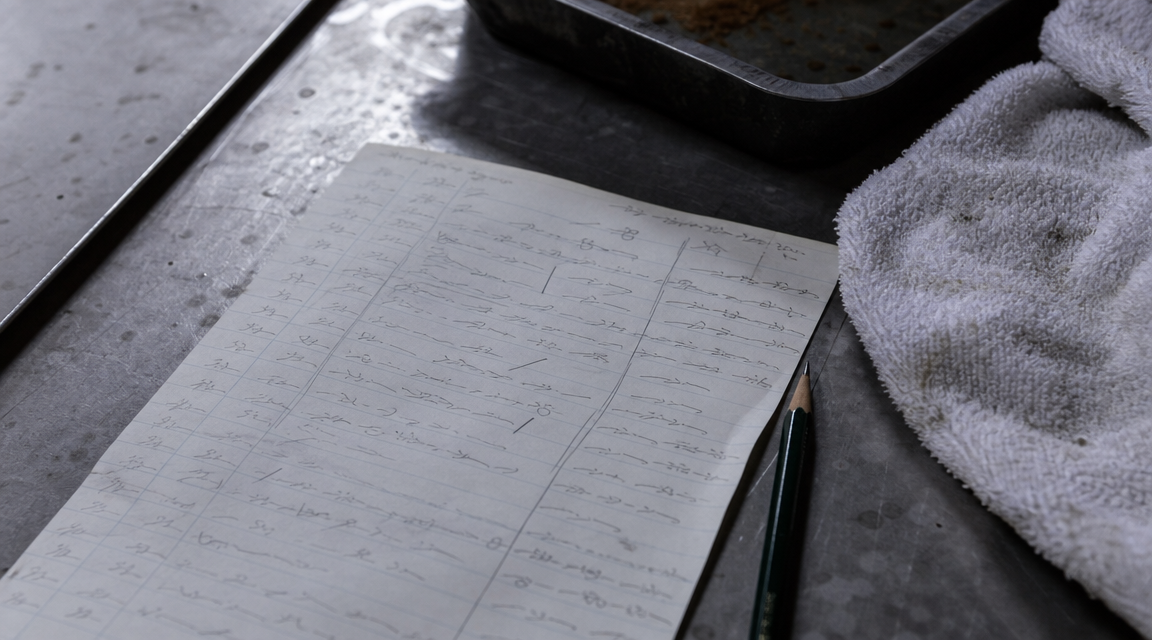
After each session, the students were asked to write notes immediately. The prompts were supposedly simple: describe impressions, images, words, memories, or anything unusually persistent during the float.
That leaves room for ambiguity. If the instruction included “write any words that came to mind,” then shared vocabulary might look stranger than it was. If the prompt was more open-ended, the repeated word becomes harder to explain away neatly.
The Word That Kept Appearing
The word was “orchard.” Not dramatic. Not threatening. Not the sort of term a person would choose if inventing a supernatural clue for maximum effect.
That plainness is part of why the account lingers. A word like “blood” or “ghost” would feel suspiciously theatrical. “Orchard” feels almost inconvenient. It points to a place, a season, a smell, a kind of ordered nature.
In the retelling, the word appeared in multiple independent post-session notes. Some students allegedly wrote only the word. Others folded it into a phrase or memory: an orchard at dusk, an orchard road, trees in rows, fruit on the ground.
No one claimed to see a shared apparition. There was no figure in the tank room, no visible face in the water, no dramatic knocking from inside the walls. The mystery is quieter than that. It sits in the paperwork.
That is what makes it useful as a mystery. It asks whether an ordinary word, repeated under controlled separation, is evidence of something unusual or simply evidence that minds overlap.
Why “Orchard” Was Such an Awkward Clue
The first explanation is coincidence. English speakers share a large pool of common words, and some words carry strong sensory associations. A floating person might think of fields, water, childhood places, or outdoor quiet. “Orchard” is not impossible.
But coincidence becomes less satisfying if the number of matching notes was high. Unfortunately, the account rarely gives a reliable number. Was it three students out of twelve? Five out of twenty? Two strong matches later inflated into “several”?
Without that detail, the case cannot be weighed properly. A striking anecdote can become more striking each time it is retold. The word may have been underlined in memory long after the messy original notes were gone.
Still, the word is awkward because it does not obviously arise from the laboratory environment. The tank room suggested water, salt, plastic, disinfectant, darkness, and machinery. It did not suggest fruit trees.
The Most Reasonable Explanations
The most reasonable theory is not paranormal. It is contamination, subtle suggestion, or shared context.
A hallway poster could have shown a campus event with an orchard image. A researcher could have used an example phrase in one briefing and forgotten it. A bowl of apples in the waiting area, a conversation overheard before the session, or a nearby street name could have seeded the word.
Sensory deprivation does not create thoughts from nothing. It rearranges material already inside the mind. If several students had recently passed the same sign, read the same course text, or heard the same campus joke, the tank might have made a weak shared impression feel personal.
There is also the possibility of retrospective sorting. Researchers reviewing notes may have noticed “orchard” because it appeared more than once, then grouped partial matches around it. “Trees,” “apple,” and “field” can begin to look like one theme when someone wants a pattern.
The Part That Still Feels Unresolved
The unresolved part is the reported independence of the notes. If the students truly wrote them immediately, separately, and before discussion, the repetition is at least interesting.
It becomes more interesting if “orchard” appeared as a standalone word rather than as a broad nature theme. Standalone words are harder to bend after the fact. They either appear on the page or they do not.
But we do not have the pages. We have an account of pages. That distance is where caution belongs.
A more complete archive would answer basic questions. Were the notes dated and numbered? Did the researchers preserve all responses or only the interesting ones? Was the word in the experimenter’s materials? Did any subject know about earlier responses?
How the Account Changed as It Traveled
By the late 1970s, sensory-deprivation research sat at a strange intersection. It belonged to psychology, but it also attracted people interested in meditation, psychic research, and altered consciousness.
That environment shaped how stories traveled. A laboratory coincidence could become a rumor about telepathy. A minor anomaly in student notes could become evidence of a shared mental image. The more the story moved away from the tank room, the more it could be polished.
In some versions, the participants supposedly saw the same orchard. In others, they only wrote the word. The second version is more believable because it is less cinematic. It also fits better with what isolation can do: intensify fragments rather than project a full scene.
The drift matters. If a story grows more visual over time, the earliest plain version may be the one worth keeping. A repeated word in separate notes is eerie enough without adding faces, voices, or impossible lights.
What the Tank May Have Really Measured
The experiment may not have measured hidden communication between minds. It may have measured expectation.
A person entering a deprivation tank in the 1970s likely expected something unusual to happen. That expectation can sharpen attention toward any strange mental fragment. Afterward, when asked to write impressions, a subject may select the oddest word because it feels like the most meaningful one.
If several people share a culture, campus, season, and experiment, their oddest fragments may overlap more than anyone expects. The word might reveal not a signal passing between them, but a shared background hum.
That possibility is more subtle, and maybe more unsettling. It suggests that isolation does not make the mind separate. It may expose all the invisible material people already share.
Why This Quiet Case Still Matters
The orchard notes matter because they occupy the difficult middle ground between debunked trick and noted anomaly. They are too thin to prove anything extraordinary, yet too specific to be ignored completely.
Good weird history often lives in that middle space. It does not demand belief. It demands better questions.
What counted as independent? What counted as a match? What did the researchers expect to find? How many unremarkable notes were left out of the retelling? These questions do not ruin the mystery. They make it honest.
The image that remains is not a ghost in the tank room. It is a stack of damp-edged notes on a desk, each written after a student climbed out of warm darkness and tried to name what had passed through the mind.
On more than one page, according to the story, the same word waited.
Orchard.
Not a detail people read as a hidden channel. Not a detail people read as fraud. Just a small, persistent word from a room designed to take almost everything else away.
Reader Context
This Weird Witnessed story is an editorial reconstruction, written as eerie visual storytelling rather than a verified report. For more context, see How to Read Weird Witnessed Stories and How WeirdWitnessed Creates Reconstructed Horror Stories.